

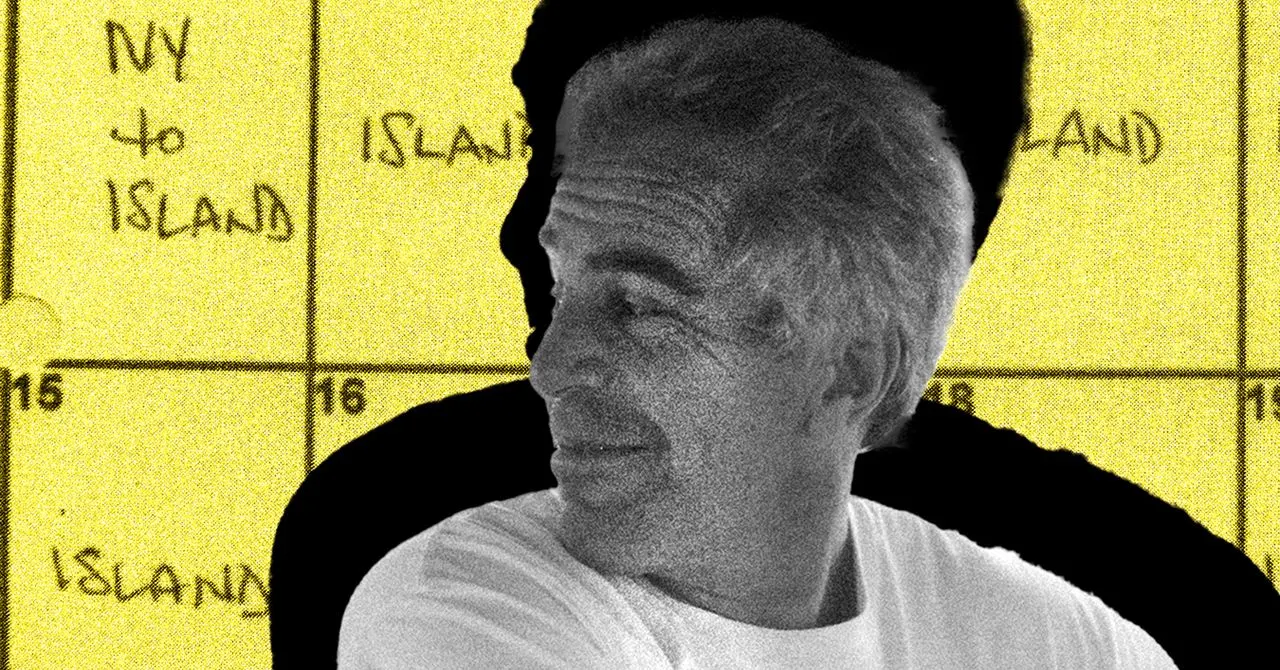
A recently released investigation by the Department of Justice has shed light on the ties between Jeffrey Epstein and Customs and Border Protection (CBP) officers stationed in the US Virgin Islands (USVI). According to documents obtained by The Guardian and New York Times, Epstein cultivated friendships with several officers, entertaining them on his island and offering to take them for whale-watching trips in his helicopter.
These interactions, which occurred years after Epstein pleaded guilty to charges of sex crimes in Florida in 2008, have raised concerns about potential violations of federal guidance. While the CBP officers were never charged for any crimes related to Epstein, the documents describe patterns of behavior that one government ethics expert described as inappropriate.
Inside the Platform
The investigation has highlighted the complex relationships between Epstein and CBP officers, including supervisory officer James Heil, who interacted with Epstein in his capacity as a “professionalism service manager” for CBP. Epstein would occasionally complain to Heil about issues with CBP, and Heil would respond by offering to follow up with the relevant supervisors.
Epstein's ability to ingratiate himself with CBP officers, including Heil and officer Glen Samuel, has been described by government ethics expert Kathleen Clark as a way for him to reduce friction and scrutiny. Clark notes that federal ethics rules are fundamentally about preventing situations where someone would question an employee’s impartiality or integrity.
The Infrastructure Question
The investigation has also raised questions about the infrastructure and protocols in place at CBP. According to an FBI interview report with Epstein's personal pilot, Larry Visoski, Epstein's plane had to be cleared by CBP before departing from USVI to other parts of the US. Visoski told the FBI that some passengers were college students with letters from their schools explaining why they were traveling, while others were women with foreign passports.
The fact that Epstein was able to fly in and out of USVI on his private jet, often with questionable passengers, has raised concerns about the effectiveness of CBP's protocols. The investigation has highlighted the need for greater scrutiny and oversight of CBP's interactions with individuals like Epstein, who have a history of manipulating and exploiting those in positions of power.
Regulatory Pressure Builds
The investigation has put pressure on CBP and the Southern District of New York US Attorney’s Office to provide more transparency and accountability. The fact that none of the CBP officers were ever formally charged has raised questions about the effectiveness of the investigation and the willingness of authorities to hold those in power accountable.
As the investigation continues to unfold, it is clear that the case of Jeffrey Epstein and his ties to CBP officers has exposed a deeper issue in the agency's culture and protocols. The need for greater scrutiny and oversight is clear, and it is up to authorities to ensure that those in positions of power are held accountable for their actions.
