

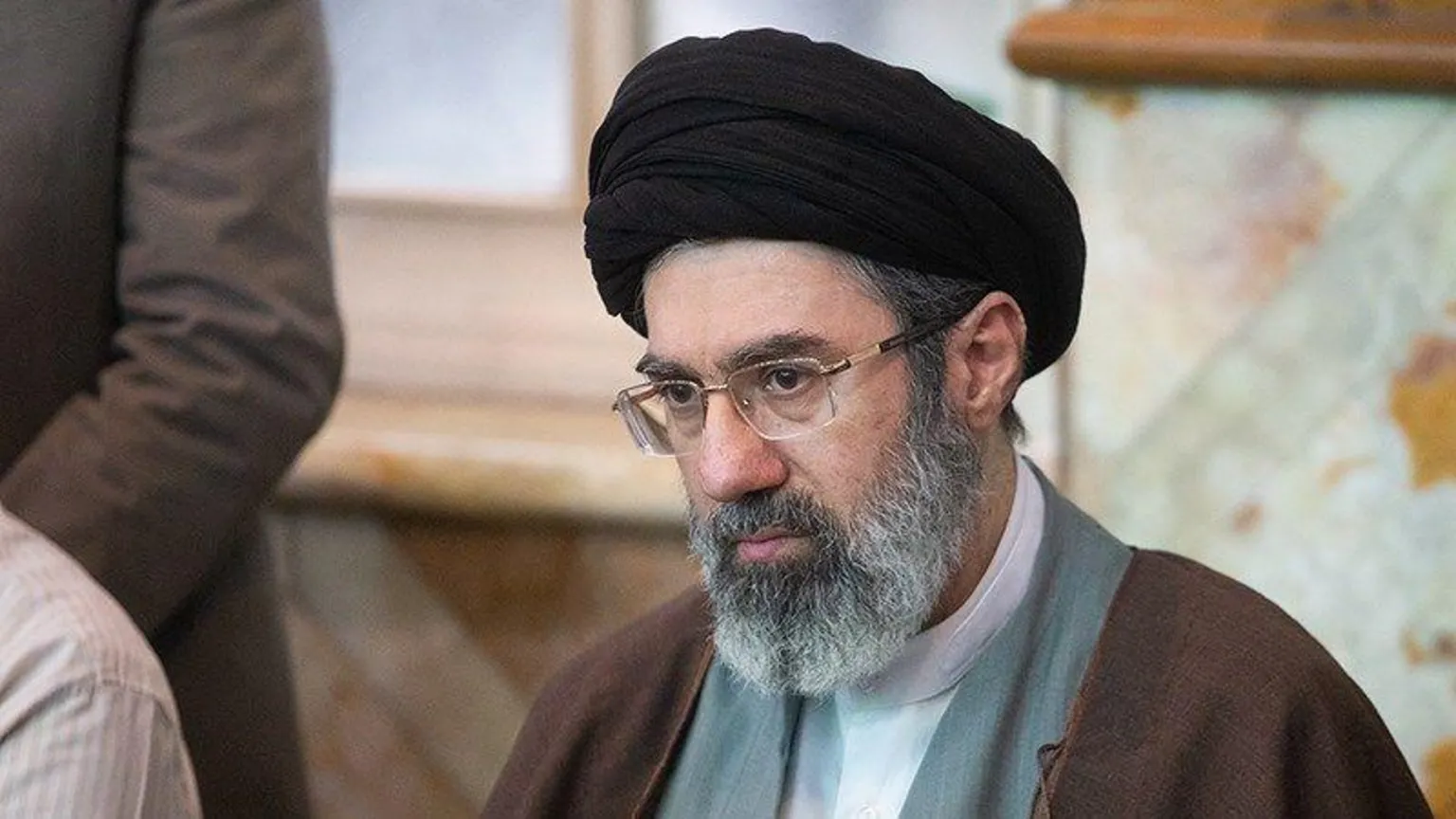
Mojtaba Khamenei, the son of Iran's late Ayatollah Ali Khamenei, has been selected as his successor, according to reports from news agency AP.
Unlike his father, the 56-year-old Mojtaba Khamenei has largely kept a low profile, with no government office held and limited public appearances. However, US diplomatic cables described him as a "capable and forceful" figure within the regime.
Mojtaba Khamenei's selection could still prove controversial, given the Islamic Republic's ideology that the supreme leader should be chosen for religious standing and proven leadership, not through hereditary succession.
Background and Early Life
Mojtaba Khamenei was born on 8 September 1969 in the north-eastern city of Mashhad. He received his secondary education at the religious Alavi School in Tehran and served in the military during the Iran-Iraq War.
At 30, Mojtaba went to Qom to continue his religious studies, where he eventually became a mid-ranking cleric. This could pose an obstacle to his acceptance as the new supreme leader.
Rise to Prominence
Mojtaba's name first entered the public spotlight during the 2005 presidential election, which resulted in the victory of Mahmoud Ahmadinejad. Reformist candidate Mehdi Karroubi accused Mojtaba of interfering in the vote through elements of the Islamic Revolutionary Guard Corps (IRGC) and the Basij militia.
Four years later, Mojtaba faced similar accusations again during the re-election of Ahmadinejad, which triggered mass protests across the country. Some protesters chanted slogans opposing the idea that Mojtaba could succeed his father as Iran's supreme leader.
Leadership and Expectations
As Iran's freshly chosen supreme leader, many expect Mojtaba to continue his father's hardline policies. However, he also faces the daunting task of ensuring the survival of the Islamic Republic and convincing the public that he is the right person to lead the country out of political and economic devastation.
Mojtaba's leadership record remains largely untested, and the perception that the republic is turning into a hereditary system could further deepen public discontent. Israel's defence minister has stated that whoever was chosen as Ali Khamenei's successor would be "an unequivocal target for elimination".
