

A recent UK study has shed light on a concerning link between menopause and changes in the brain, similar to those seen in Alzheimer's disease, with far-reaching implications for millions of women worldwide.
Understanding Menopause and Brain Health
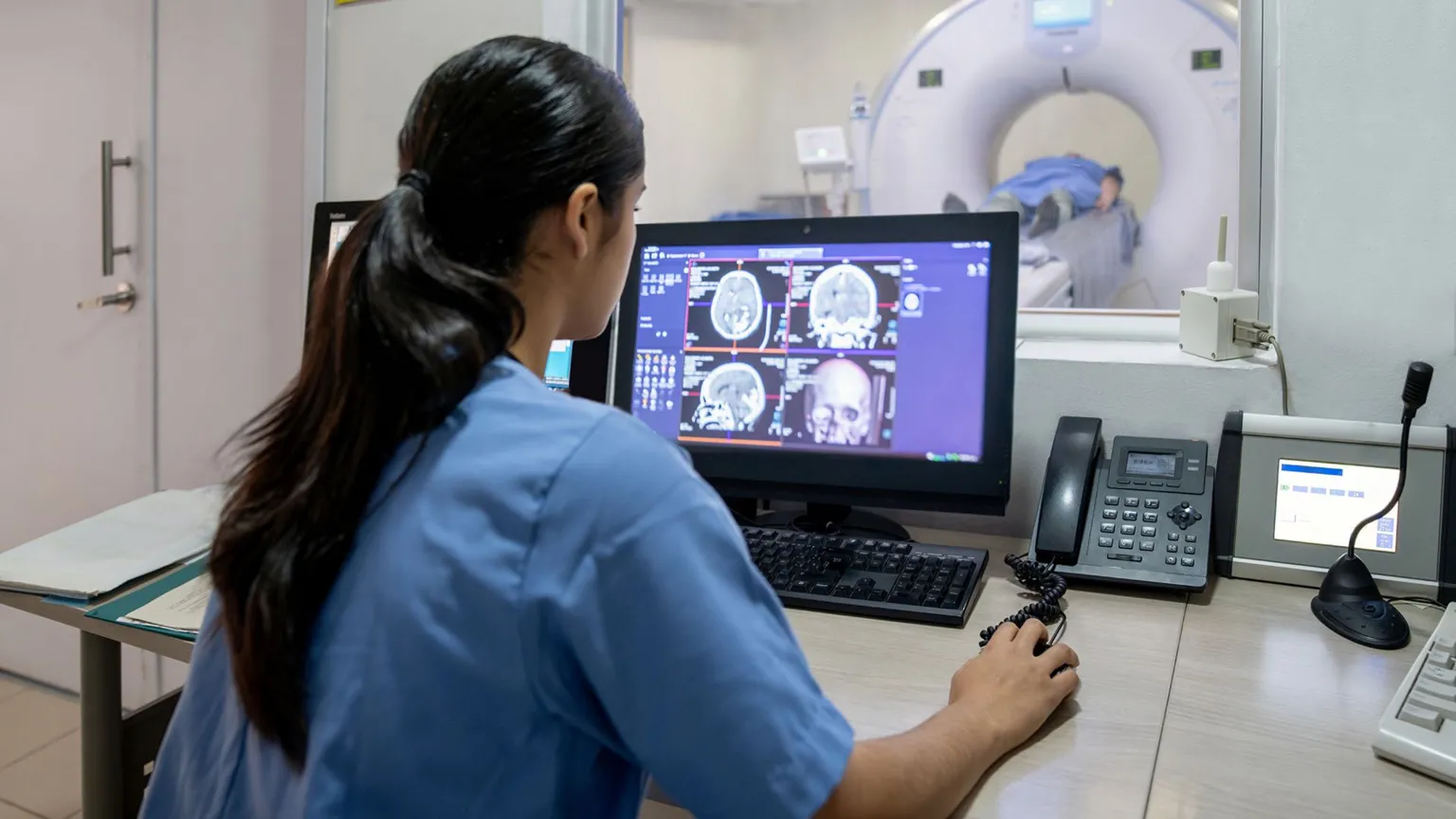
Menopause is often viewed as a natural transition, but research suggests that it may have a deeper impact on brain health than previously thought. A study published in the journal Psychological Medicine has found that menopause is associated with changes in the brain that may increase the risk of dementia. The study analyzed nearly 125,000 women, of whom 11,000 had MRI brain scans, and discovered significant differences in brain regions involved in memory and emotion.The Impact of Hormone Replacement Therapy (HRT)
The study's findings may come as a surprise to women who undergo hormone replacement therapy (HRT) to alleviate menopausal symptoms. The researchers found that HRT use did not appear to prevent the loss of grey matter in brain regions affected by Alzheimer's disease. In fact, women on HRT were more likely to suffer from poor mental health, although many of those already had poor mental health prior to being prescribed the medication. The study highlights the need for a more nuanced understanding of the relationship between HRT and brain health.A Wake-Up Call for Women's Health
The study's lead researcher, Prof Barbara Sahakian, emphasizes the importance of recognizing the various struggles that women face during menopause. "We all need to be more sensitive to not only the physical, but also the mental health of women during menopause," she says. The Alzheimer's Society agrees, noting that women account for around two-thirds of people living with Alzheimer's disease in the UK. While the study's findings do not definitively prove that menopause increases dementia risk, they do highlight the need for further research into this critical area.Breaking Down Stigma and Promoting Wellness
Concealing symptoms of menopause can have a knock-on effect for some women, increasing the risk of burnout. The Bradford drop-in service is one initiative aimed at promoting wellness and reducing stigma around menopause. This drop-in service, currently based in a council-owned centre in Millfield, is a testament to the importance of prioritizing women's health and well-being.Impact Analysis and What's Next
The study's findings have far-reaching implications for women's health and the prevention of dementia. While the study does not definitively prove that menopause increases dementia risk, it does highlight the need for further research into this critical area. The Alzheimer's Society recommends that women take steps to reduce their dementia risk, such as getting regular exercise, not smoking, and limiting alcohol intake. As we move forward, it is essential to prioritize women's health and well-being, breaking down stigma and promoting wellness and awareness of menopause and its effects on brain health.- Menopause is associated with changes in the brain that may increase the risk of dementia.
- HRT use did not appear to prevent the loss of grey matter in brain regions affected by Alzheimer's disease.
- Women on HRT were more likely to suffer from poor mental health.
- The study highlights the need for a more nuanced understanding of the relationship between HRT and brain health.
- Breaking down stigma and promoting wellness is crucial for reducing the risk of dementia.
For more information on menopause and brain health, visit our in-depth guide to women's health and learn how you can reduce your risk of dementia.
The importance of HRT and its impact on brain health is an ongoing topic of debate. Learn more about the evolving landscape of HRT and how it affects women's health.
The study's findings have important implications for public health policy. Read our analysis of the regulations and guidelines for menopause treatment and how they can impact women's health.
Discover the latest research on the impact of menopause on mental health and learn how to prioritize your well-being during this critical life stage.
