

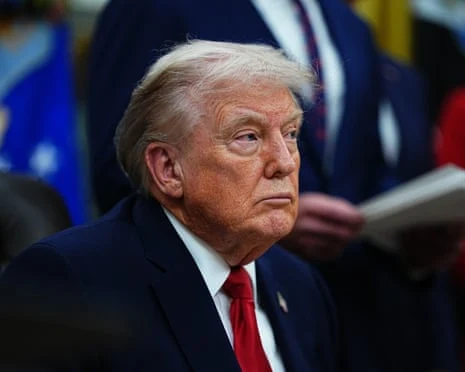
According to the White House, Donald Trump signed an executive order on Thursday that lays the groundwork for imposing tariffs on goods from countries that provide oil to Cuba. This move is seen as an escalation of Trump's pressure to topple the Communist government in Cuba, which the White House cites as having ties to hostile powers.
The executive order declares a national emergency and establishes a process for the US secretaries of state and commerce to assess tariffs against countries that sell or otherwise provide oil to Cuba. The order appears to indicate a significant shift in the US policy towards Cuba, with the White House yet to specify tariff rates for violating its new policy of blocking Cuba from buying oil.
Why this matters now is that it could have significant implications for countries that currently sell oil to Cuba, including major oil-producing nations. The move is also seen as a part of Trump's broader strategy to isolate Cuba and pressure its government to reform.
Strategic Implications
The imposition of tariffs on countries selling oil to Cuba could have significant diplomatic and economic implications. Economists suggest that this move could lead to a decline in oil exports to Cuba, which could have a devastating impact on the island nation's economy. On the other hand, policymakers argue that this move is necessary to pressure Cuba's government to reform and to prevent the country from becoming a hub for hostile powers.
The market mechanism at play here is the use of tariffs as a tool to influence the behavior of other countries. This is a classic example of a trade policy being used to achieve geopolitical goals. However, the second-order effects of this move could be significant, including potential retaliation from affected countries and a decline in trade between the US and these countries.
What remains unclear is how countries that currently sell oil to Cuba will respond to this move. Will they comply with the US demands and stop selling oil to Cuba, or will they find ways to circumvent the tariffs? The answer to this question will have significant implications for the effectiveness of Trump's policy.
Actor Dynamics
The dynamics at play here involve a complex interplay between the US, Cuba, and other countries that sell oil to Cuba. The US is using its economic power to pressure Cuba's government to reform, while Cuba is likely to resist this pressure and seek support from other countries. The role of international organizations such as the UN and the OAS could be significant in shaping the outcome of this situation.
What should readers watch next is how countries that currently sell oil to Cuba respond to this move. Will they comply with the US demands, or will they find ways to circumvent the tariffs? The answer to this question will have significant implications for the effectiveness of Trump's policy and the future of US-Cuba relations.
Forward Outlook
In the next few sessions, the key risks to watch are the potential retaliation from affected countries and the decline in trade between the US and these countries. The US government will also need to specify tariff rates for violating its new policy of blocking Cuba from buying oil, which could have significant implications for the effectiveness of the policy.
The Bottom Line
- Trump's executive order imposes tariffs on countries selling oil to Cuba, escalating pressure on the Communist government.
- The move has significant diplomatic and economic implications, including potential retaliation from affected countries.
- The effectiveness of the policy will depend on how countries that currently sell oil to Cuba respond to the tariffs.
