

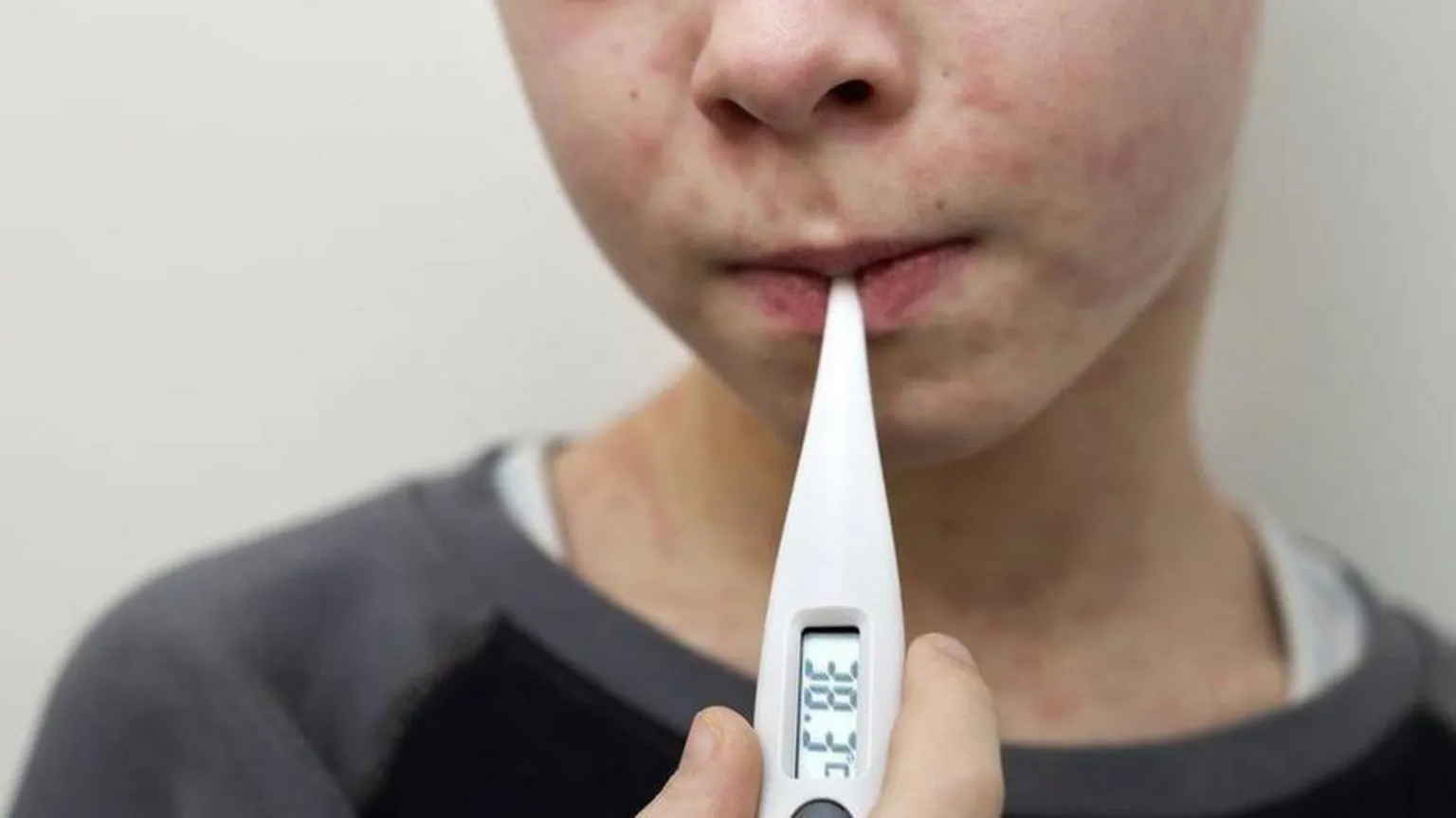
The UK has lost its measles elimination status, a worrying sign of rising vaccine hesitancy and declining vaccination rates. As the World Health Organization (WHO) announces the loss of this status, it's essential to explore the consequences of this decision and the need for urgent vaccination reform in the UK.
With a total of 3,600 suspected cases in 2024, the UK's struggle to contain measles outbreaks reveals underlying issues with vaccination rates. The 95% threshold required for herd immunity remains out of reach, with vaccination uptake at only 92% for the first dose and 85% for the second dose. This is a stark contrast to the UK's initial measles-free declaration in 2017, which highlights the importance of sustained vaccination efforts.
Measles Elimination Status: What it Means
Achieving measles elimination status means there is no sustained transmission of the disease within a country. This status is crucial for demonstrating a nation's commitment to public health and vaccine-preventable disease control. The UK's loss of this status serves as a wake-up call for policymakers and healthcare professionals to address the underlying issues driving this decline.
According to Dr. Vanessa Saliba, consultant epidemiologist at UKHSA, "Infections can return quickly when childhood vaccine uptake falls - measles elimination is only possible if all eligible children receive two MMRV doses before school." This highlights the need for targeted vaccination efforts, especially in areas with low vaccination rates.
Impact Analysis
The consequences of losing measles elimination status are far-reaching, with potential impacts on individual and community health, as well as economic costs. State health officials have reported over 500 people and students in 15 schools in quarantine after being exposed to the measles, underscoring the need for swift action to contain outbreaks and prevent further spread.
Industry analysts observe that addressing vaccine hesitancy and improving vaccination rates requires a multifaceted approach, including increased access to healthcare services, education, and community engagement. As Dr. Bharat Pankhania from the University of Exeter notes, "Measles is an infection that can be prevented by vaccine - and it's extremely concerning that in the UK we now have pockets of low or no vaccine uptake."
What's Next?
The UK's loss of measles elimination status serves as a wake-up call for policymakers and healthcare professionals to prioritize vaccination reform. By increasing access to MMRV vaccines, addressing vaccine hesitancy, and promoting education and community engagement, the UK can work towards regaining its measles elimination status and achieving herd immunity.
As the University of Aberdeen-led review highlights, targeted vaccination efforts and improved access to healthcare services can help mitigate the spread of measles. By learning from past mistakes and addressing the root causes of vaccine hesitancy, the UK can work towards a healthier future for its citizens.
Read more about the evolving landscape of vaccine-preventable disease control and the importance of sustained vaccination efforts in our previous coverage: Measles Outbreaks Rise Across the UK Despite Vaccination Efforts
