

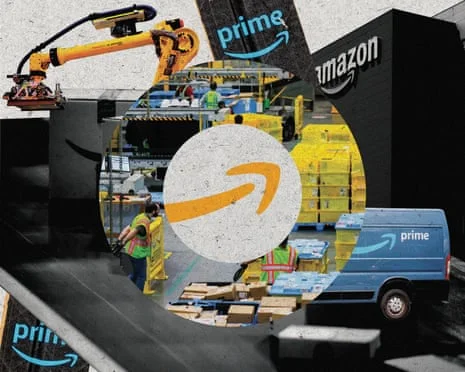
At Amazon's new Stone Mountain, Georgia facility, a fleet of Roomba-like robots efficiently navigates the warehouse, streamlining the packaging and shipping process. These robots, which can operate without breaks, are a key component of Amazon's strategy to optimize its logistics operations.
The decision to invest billions in robotics is largely driven by the desire to minimize downtime and increase productivity. Unlike human workers, robots do not require bathroom breaks, allowing them to work continuously and reducing the need for additional staff. This shift towards automation has significant implications for the future of work and the role of technology in the workplace.
Why this matters now is that Amazon's adoption of robotics in its warehouse operations could set a precedent for other companies to follow. As the e-commerce giant continues to expand its operations, its investment in robotics could have a ripple effect on the industry, leading to increased efficiency and reduced labor costs. This, in turn, could impact the way companies approach logistics and supply chain management.
Logistics and Automation
The use of robots in Amazon's warehouse is not limited to packaging and shipping. The facility's layout and design are also optimized for automation, with robots working in tandem to ensure a smooth and efficient process. This integration of technology and logistics is a key aspect of Amazon's strategy to stay ahead of the competition and meet the growing demands of the e-commerce market.
According to sources, the 640,000-sq-ft, four-story warehouse is a prime example of Amazon's commitment to innovation and automation. The facility's design and operations are a testament to the company's focus on technology and its role in shaping the future of logistics.
The Impact of Automation
What remains unclear is how the increasing use of robots in warehouses will affect employment rates and the job market. While automation can lead to increased efficiency and productivity, it also raises concerns about job displacement and the need for workers to acquire new skills. As companies like Amazon continue to invest in robotics, it is essential to consider the potential consequences for the workforce and the economy.
The integration of robots in Amazon's warehouse operations is also likely to have a significant impact on the company's economic performance. With reduced labor costs and increased efficiency, Amazon may be able to offer more competitive pricing and improve its market share.
Future Developments
What should readers watch next is how Amazon's investment in robotics will influence the wider industry. As other companies begin to adopt similar technologies, it will be essential to monitor the impact on employment rates, economic performance, and the overall logistics landscape. For more information on the latest developments in politics and technology, stay tuned for further updates.
In the next few sessions, key risks to watch include the potential for job displacement, the impact of automation on the job market, and the need for workers to acquire new skills. As Amazon continues to expand its operations and invest in robotics, it is crucial to consider the potential consequences for the workforce and the economy.
The Bottom Line
- Amazon's investment in robotics is a strategic move to optimize its logistics operations and reduce labor costs.
- The use of robots in warehouses has significant implications for the future of work and the role of technology in the workplace.
- The impact of automation on employment rates and the job market is a key concern that requires careful consideration and monitoring.
