

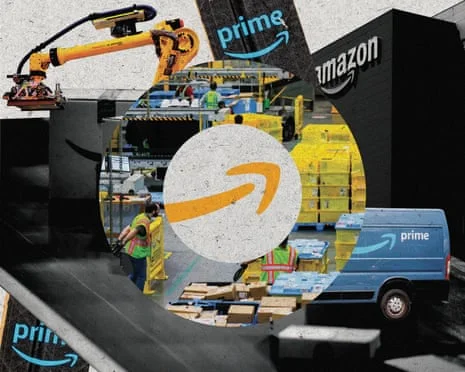
At Amazon's new Stone Mountain, Georgia facility, a fleet of Roomba-like robots efficiently navigate the warehouse, streamlining the packaging and shipping process. These robots, which can work tirelessly without breaks, are a key factor in Amazon's decision to invest billions in robotic technology.
According to sources, one of the primary advantages of using robots in the warehouse is their ability to work continuously without requiring bathroom breaks or other forms of rest. This, in turn, allows Amazon to optimize its logistics operations and reduce downtime. As reported, the company's 640,000-sq-ft, four-story warehouse in Stone Mountain is a prime example of this technological shift.
The use of robots in Amazon's warehouse also appears to indicate a significant shift in the company's approach to logistics and supply chain management. By leveraging robotic technology, Amazon can improve the speed and accuracy of its packaging and shipping processes, ultimately enhancing the overall customer experience. This development is particularly relevant in the context of the technology sector, where companies are increasingly looking to automation and robotics to drive innovation and growth.
Strategic Implications
The integration of robots in Amazon's warehouse has significant implications for the company's operations and the broader logistics industry. As robots assume more responsibilities, there may be a reduction in the need for human labor in certain areas, potentially leading to job displacement. However, it also creates new opportunities for workers to focus on higher-value tasks that require human skills and expertise.
What remains unclear is how Amazon plans to address potential concerns around job displacement and the impact of robotic technology on its workforce. While the company has stated its commitment to retraining and upskilling its employees, the details of these plans are not yet clear. For more information on the impact of technology on the workforce, visit our economy section.
As Amazon continues to invest in robotic technology, readers should watch for further developments in the company's logistics and supply chain operations. Key areas to monitor include the expansion of robotic capabilities, the impact on job displacement, and the potential for other companies to follow Amazon's lead in adopting robotic technology. For the latest updates on politics and business, stay tuned to our news feed.
Market Mechanisms
The use of robots in Amazon's warehouse is an example of a market mechanism in action, where companies respond to changing consumer demands and technological advancements by innovating and adapting their operations. This, in turn, can drive further innovation and growth, as companies seek to stay competitive and meet evolving customer needs.
The second-order effects of this trend are likely to be significant, with potential impacts on employment, economic growth, and the overall structure of the logistics industry. As such, it is essential to monitor these developments closely and consider the potential implications for businesses, workers, and the broader economy.
Actor Dynamics
The dynamics at play in Amazon's adoption of robotic technology are complex, involving a range of actors, including policymakers, economists, and industry leaders. As the company continues to invest in this area, it is likely that we will see a growing debate around the impact of automation on employment and the economy.
What should readers watch next? The key areas to monitor include Amazon's continued expansion of robotic capabilities, the response of other companies to this trend, and the potential for policymakers to intervene in the debate around job displacement and automation.
In the next few sessions, key risks to watch include the potential for job displacement, the impact of robotic technology on the logistics industry, and the likelihood of regulatory intervention. As the situation continues to evolve, it is essential to stay informed and up-to-date on the latest developments.
The Bottom Line
- Amazon's adoption of robotic technology in its warehouse operations is a significant development with potential implications for the logistics industry and the broader economy.
- The use of robots in the warehouse is likely to drive innovation and growth, but also raises concerns around job displacement and the impact on employment.
- Readers should monitor the situation closely, watching for further developments in Amazon's logistics operations, the response of other companies, and the potential for policymakers to intervene in the debate around automation and job displacement.
