

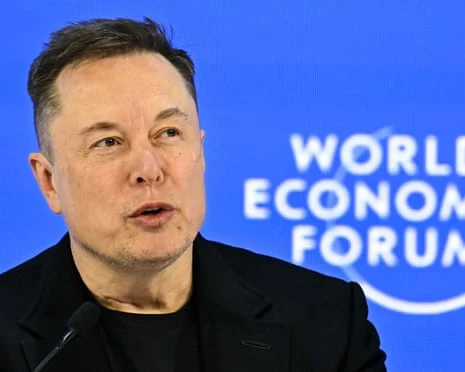
Elon Musk, the CEO of Tesla, has been under scrutiny for his social media posts on race, with many experts saying that his comments are indiscernible from those of white supremacists. According to an analysis by The Guardian, Musk posted about race on 26 out of 31 days in January, often promoting anti-immigrant conspiracy content and endorsing white supremacist narratives.
Musk's posts have been described as a renewed embrace of white supremacist material, with experts saying that his comments are not only problematic but also dangerous. Heidi Beirich, co-founder of the Global Project Against Extremism, said that if she were to remove Musk's name from his posts, she would think that they were written by a white supremacist.
Musk has repeatedly denied being racist or antisemitic, but his posts have been criticized for promoting conspiracy theories such as "the great replacement," which posits that liberal elites or Jewish people are conspiring to use immigration to replace white populations. William Braniff, the former director of the Department of Homeland Security's office for prevention of terrorism and extremism, said that Musk's posts are "textbook examples" of white supremacist conspiracy theories.
Expert Analysis
Experts say that Musk's posts are not only reflective of his own views but also have the potential to mainstream white supremacist ideologies. Braniff said that the danger of Musk's obsession lies in mainstreaming ideas that are deeply tied to violence and discrimination. Beirich added that Musk's interactions with far-right activists and his promotion of their content are particularly concerning.
Musk has interacted with several far-right activists, including Martin Sellner, the founder of the ethno-nationalist Identitarian Movement. Sellner has been described as one of the most significant global white supremacists, and his ideas have been linked to violent extremist attacks. Musk has reposted Sellner's content and replied to his posts with endorsements, implying agreement with his views.
White Supremacist Connections
Sellner has been linked to several extremist attacks, including the 2019 terrorist attack in Christchurch, New Zealand, which killed 51 people. He has also been banned from several countries, including Germany, for his extremist views. Despite this, Musk has continued to promote Sellner's content and interact with him on social media.
Other experts have also criticized Musk's posts, saying that they reflect a reductionist worldview that breaks down when people in his "in-group" disagree with him. Braniff said that this tactic is common among far-right extremists, who attempt to defend their worldview by attacking dissenting voices and delegitimizing them as "race traitors" and "woke."
Broader Implications
Musk's posts have also been criticized for reflecting a broader shift in the Republican Party and government agencies towards white supremacist ideologies. The Department of Homeland Security has posted content that aligns with white supremacist propaganda, and Donald Trump has faced backlash for posting a racist video on his Truth Social platform.
As February began, Musk was still posting about race and immigration on a consistent basis, replying to an anti-immigrant activist who claimed that Ireland's civilization would end due to Irish men being afraid of being called racist. Musk responded by saying that such men are "pathetic traitors," further sparking concerns about his views on race and immigration.
Conclusion
In conclusion, Elon Musk's social media posts on race have sparked concerns about his potential to mainstream white supremacist ideologies. Experts say that his comments are not only problematic but also dangerous, and that his interactions with far-right activists and promotion of their content are particularly concerning. As the CEO of Tesla and one of the most influential people in the world, Musk's views on race and immigration have the potential to shape public discourse and contribute to a broader shift towards white supremacist ideologies.
