

As the US and Iran engage in military posturing, global markets are growing increasingly concerned about the potential for a US strike on Iran. This has led to a rise in oil prices, with Brent crude up 1.55% at $71.44 a barrel and WTI up 1.61% to trade at $66.24 a barrel. According to Joachim Klement, a research analyst at Panmure Liberum, there is a lack of political will to embark on a change in Iranian leadership, given Trump's criticism of failed US interventions in Afghanistan and Iraq.
Klement notes that the most likely outcome seems to be another bombing campaign similar to what was seen in 2025, with the goal to further damage Iran's nuclear capabilities, its military infrastructure, or maybe even extract the Ayatollah from the country. However, as seen in the case of Venezuela, extracting the leader of a country may not mean regime change in the case of this US administration. In this base case of a short military intervention without troops on the ground or an outright invasion, Iran will not block the Straits of Hormuz, though oil prices will reflect a heightened risk premium for some time to come.
Investors are betting on geopolitical turmoil and disruption to oil flows, amid growing speculation that Trump could order a strike on Iran amid an impasse over Tehran's nuclear programme. Gold could be poised for another spike if a Trump-ordered US strike on Iran sends investors back to the safe haven asset. Riz Malik, the director at Southend-on-Sea-based R3 Wealth, said: "Global instability often prompts a flight to safe assets, leading to a short-term sell-off of equities and a move into precious metals like gold, which often see increased demand."
Market Reactions
Major US indexes are all in the red, with the Dow down 0.25% at 49,537 points, the S&P 500 down 0.35% at 6,857 points, and the Nasdaq down 0.49% at 22,641 points. Markets are putting a 70% probability on a potential US strike on Iran. Daniela Hathorn, a senior market analyst at capital.com, says those probabilities matter for energy markets, especially when the potential disruption involves a major oil producer and a critical global transit route.
Hathorn explains that oil markets are starting to price in higher risk as Iran remains a major producer and sits at the heart of the Strait of Hormuz, through which roughly 20% of global oil supply transits. Even limited disruption or credible threats to shipping lanes could cause an immediate supply shock. The key issue is not necessarily whether Iran can sustain a long-term production shock, but whether it would be willing to create short-term disruption in retaliation.
Geopolitical Implications
Jason Tuvey, deputy chief emerging markets economist at Capital Economics, said that fresh strikes by the US on Iran would raise the chances of some form of regime change, which could eventually pave the way for Iran's possible reintegration into the global economy. More immediately, strikes on Iran would risk causing oil prices to jump and threaten to boost inflation in much of the world, reducing the pace or number of interest rate cuts by major central banks.
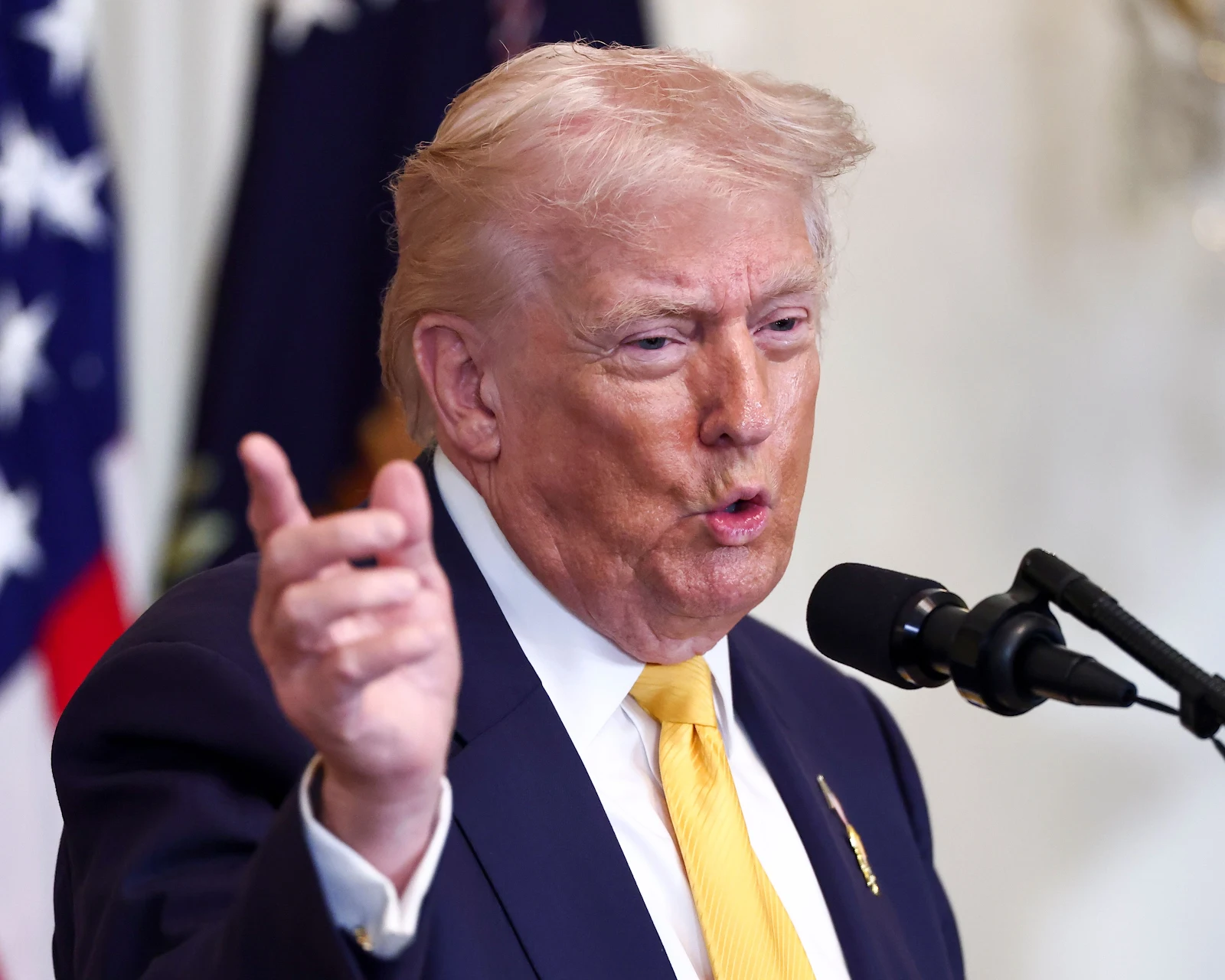
The US military is ready for possible strikes on Iran as soon as this weekend, multiple news outlets reported, citing unnamed sources. However, the reports said that Donald Trump has yet to make a final decision on whether to carry out an attack. Trump has repeatedly demanded Iran cease its nuclear program and has warned he intends to use force if no deal is reached.
Economic Fallout
The UK's stats agency is slashing its roster of data releases as part of a broader improvement plan, with plans to streamline its operations and consolidate its publication in an effort to "restore confidence in our most critical statistics" including GDP, prices, labour market, and population statistics. The ONS has been trying to address the quality of its figures for years, having faced attacks over questionable jobs figures, which some experts have said leave policymakers "flying blind".
Data released by the US Labour Department show that American jobless claims fell to 206,000 in the week to 14 February, down from 229,000 the previous week. However, continued claims rose to 1.869 million, in the week to 7 February, up from 1.852 million. The US dollar has moved higher in reaction to the data, with the greenback now up 0.25% against a basket of currencies to $97.93.
Company News
British Gas owner Centrica has paused its plan to buy back shares from shareholders after the company's full-year profits slumped by almost 39%. Centrica reported adjusted earnings of £1.42bn for 2025, down from £2.3bn the year before, after a "challenging" year for the business as it undertakes a series of multibillion-pound investments.
Centrica CEO Chris O'Shea conceded that it had been a "challenging" year for the business, but tried to assure investors that putting the share buyback programme on pause would be better for shareholders in the long-run. Aarin Chiekrie, an equity analyst at Hargreaves Lansdown, notes that there is a bit more disappointment ahead as Centrica's trading arm is likely to continue to lag throughout the year.
The sell-off in Centrica shares has made the company the worst performer on the FTSE 100, and by a longshot. The next biggest faller is Rio Tinto, which is down 3.7%, after net profit fell 14% to $10bn for 2025, due to higher depreciation, taxes, and financing costs.
