

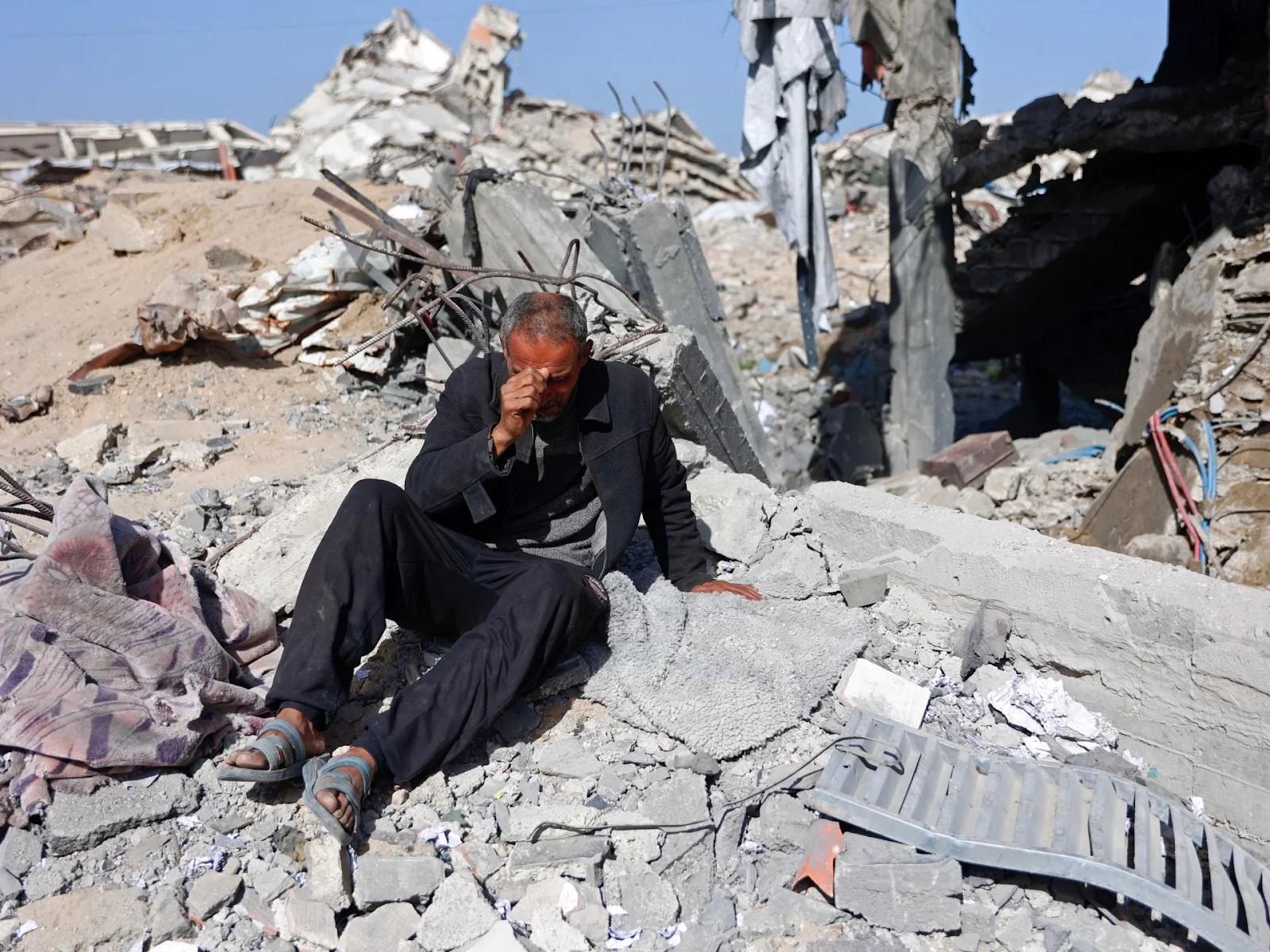
According to sources, the promise of reconstruction in Gaza has become a means of political extortion, with experts warning that it may lead to demographic change. This development has significant implications for the region, as it appears to indicate a shift in Israel's strategy towards the Gaza Strip. The reconstruction efforts, initially aimed at providing shelter and aid to those affected by conflict, have turned into a tool for exerting control over the population.
The situation in Gaza is complex, with political tensions running high. Economists and policymakers are closely watching the developments, as they may have far-reaching consequences for the region's stability. The use of reconstruction as a means of control raises concerns about the rights of the population and the potential for further conflict.
Why this matters now is that the reconstruction efforts are not only a humanitarian issue but also a highly politicized one. The fact that the right to shelter is being used as a bargaining chip has significant implications for the population of Gaza. It appears to indicate a new phase in the Israeli-Palestinian conflict, one in which the focus is on demographic change rather than direct military action.
Strategic Implications
The market mechanism at play in Gaza is one of scarcity and control. The Israeli government's ability to dictate the terms of reconstruction gives it significant leverage over the population. This dynamic is likely to have second-order effects, such as increased resentment and frustration among the population, which may lead to further instability. Economic analysts warn that this could have long-term consequences for the region's economy.
What remains unclear is how the international community will respond to these developments. Will there be sufficient pressure on the Israeli government to change its approach, or will the status quo be maintained? The answer to this question will have significant implications for the future of the region.
What should readers watch next is the reaction of the international community, particularly the role of technology in facilitating or hindering the reconstruction efforts. As the situation continues to evolve, it is essential to monitor the actions of key actors, including the Israeli government, the Palestinian Authority, and international organizations.
Actor Dynamics
The dynamics at play in Gaza are complex, with multiple actors vying for control. The Israeli government's strategy of using reconstruction as a means of control is likely to be met with resistance from the Palestinian population. This resistance may take many forms, from protests and demonstrations to more violent actions.
Forward Outlook
In the next few sessions, key risks include increased tensions and violence, as well as further demographic change. The potential next steps include increased international pressure on the Israeli government to change its approach, or a shift in the Israeli government's strategy towards a more conciliatory approach.
The Bottom Line
- The use of reconstruction as a means of control in Gaza has significant implications for the region's stability and the rights of the population.
- The international community's response to these developments will be crucial in determining the future of the region.
- The situation in Gaza is a complex and evolving one, requiring close monitoring and analysis to understand the strategic implications and potential next steps.
