

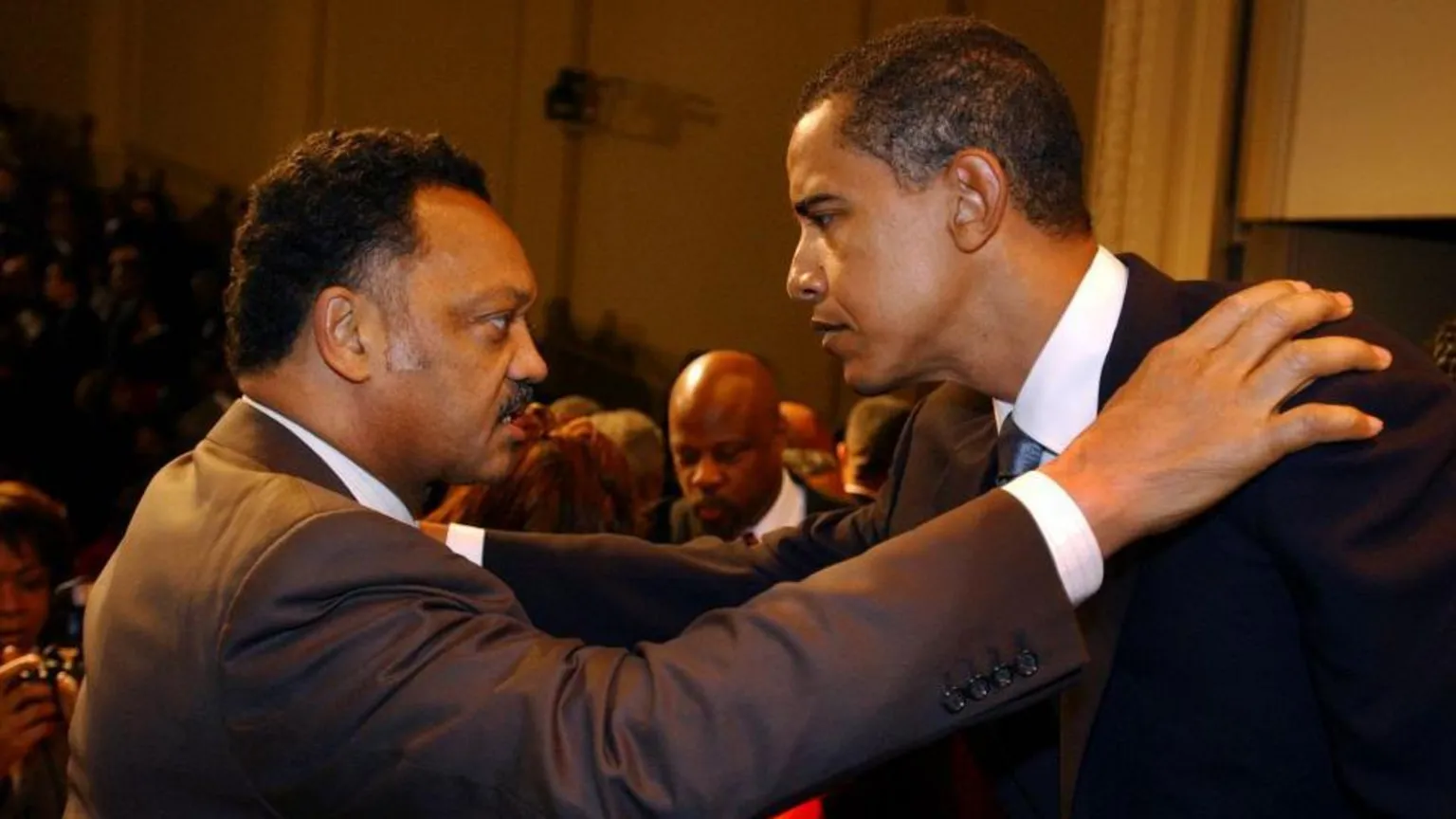
Jesse Jackson, a prominent figure in the US civil rights movement, has left a lasting legacy in American politics. As a protege of Martin Luther King Jr, Jackson built a career around working to politically organise and improve the lives of African-Americans.
According to Vermont Senator Bernie Sanders, Jackson's movement was not just about bringing people together, but about bringing them together around a progressive agenda. Jackson's speech to the 1988 Democratic National Convention, which ended with the refrain "keep hope alive", would be echoed decades later in the "hope and change" slogan of Barack Obama's successful 2008 presidential campaign.
Jackson's historic run of presidential campaigns paved the way for future generations of politicians, including Barack Obama and Kamala Harris. As reported by various media outlets, including the New York Times, Jackson's campaigns showed that a black candidate could rally nationwide support and possibly take the White House.
Early Life and Career
Jackson was born Jesse Louis Burns on 8 October 1941 in Greenville, South Carolina. He was raised by his mother, Helen Burns, and his stepfather, Charles Jackson, who adopted him when Jesse was two years old.
Jackson grew up in a segregated community, attending separate schools and facing discrimination in public places. However, he excelled in school and was elected class president, and later received a football scholarship to the University of Illinois.
Civil Rights Movement
Jackson became involved in the civil rights movement while attending North Carolina A&T, where he was arrested with seven other students after a silent demonstration in a whites-only public library. This event led to the desegregation of the library and marked the beginning of Jackson's career as a civil rights leader.
Through the Southern Christian Leadership Conference, Jackson established Operation Breadbasket, which encouraged black men and women to frequent businesses that gave them basic courtesy and job opportunities, and to boycott those that did not.
Presidential Campaigns
Jackson's presidential campaigns in 1984 and 1988 were significant, as he won over 3 million votes and came third in the primaries. His campaigns brought attention to issues such as universal healthcare and reparations for the descendants of slaves.
Although Jackson ultimately lost the Democratic nomination, his campaigns had a profound effect on the party and paved the way for future generations of politicians. As reported by CNN, Jackson's success in boosting black turnout in previous presidential campaigns had helped ensure Obama's victory in 2008.
Later Life and Legacy
In his later years, Jackson faced personal and professional challenges, including a diagnosis of Parkinson's disease and a scandal involving his son, Jesse Jackson Jr. However, he continued to be a vocal advocate for civil rights and social justice, and was a loud voice in favour of withdrawing US troops from Afghanistan and increasing the minimum wage.
In 2024, Jackson applied for a presidential pardon for his son's conviction, but was refused by then-President Joe Biden. Despite this, Jackson remained a respected figure in American politics, and his legacy continues to inspire new generations of leaders.
