

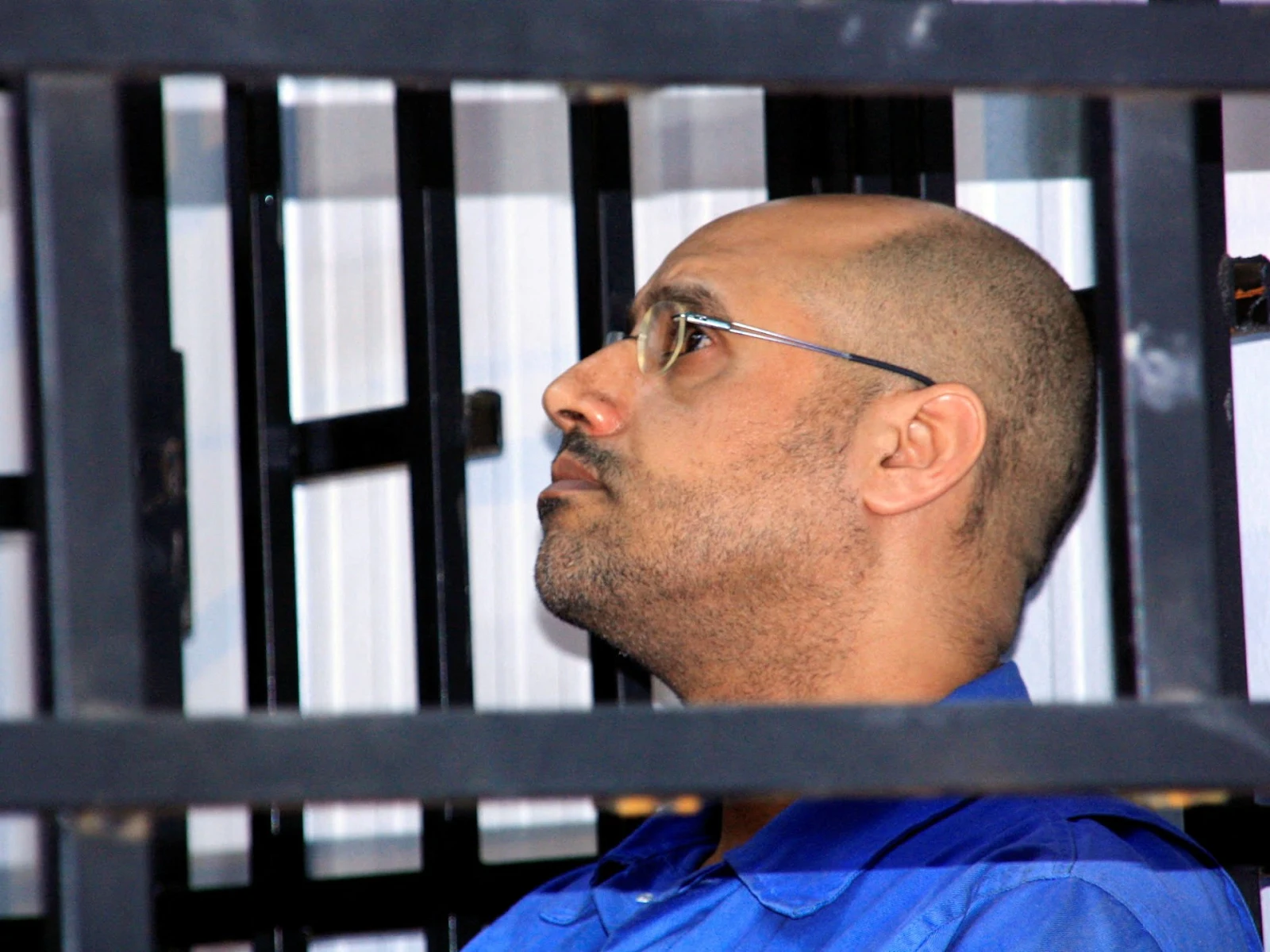
The death of Saif Gaddafi, son of former Libyan dictator Muammar Gaddafi, has removed a symbolic alternative to Libya's entrenched political deadlock, according to analysts. This development comes as the country continues to struggle with a prolonged period of political instability. The killing of Saif Gaddafi has significant implications for the country's future, as he was seen by some as a potential unifying figure.
Saif Gaddafi's death matters now because it eliminates a potential candidate who could have bridged the gap between Libya's rival governments. The country has been divided between the internationally recognized Government of National Accord (GNA) in Tripoli and the Libyan National Army (LNA) in the east. The power vacuum created by Saif Gaddafi's death may lead to further instability and conflict. Libyan politics have been marked by turmoil and violence since the overthrow of Muammar Gaddafi in 2011.
The current situation in Libya is complex, with various factions vying for power. The death of Saif Gaddafi has the potential to exacerbate the existing tensions, making it even more challenging to achieve a peaceful resolution. As the situation continues to unfold, it is essential to consider the potential consequences of this event on the country's political landscape. The Libyan economy has also suffered significantly due to the ongoing conflict.
Strategic Implications
The killing of Saif Gaddafi has significant strategic implications for Libya and the region. The power vacuum created by his death may lead to a surge in violence and instability, as various factions attempt to fill the gap. The international community, including the United Nations, has been working to broker a peaceful resolution to the conflict. However, the death of Saif Gaddafi may hinder these efforts, at least in the short term.
What remains unclear is how the various factions in Libya will respond to Saif Gaddafi's death. Some may attempt to capitalize on the power vacuum, while others may seek to negotiate a peaceful resolution. The role of technology in shaping the conflict and its outcome should not be underestimated, as social media and other digital platforms can be used to mobilize support and spread misinformation.
What should readers watch next is how the international community responds to the death of Saif Gaddafi. The United Nations and other organizations may increase their efforts to broker a peaceful resolution, while regional powers may seek to exert their influence over the situation. The outcome of these efforts will have significant implications for the future of Libya and the region.
Market Mechanisms
The death of Saif Gaddafi has the potential to disrupt the already fragile Libyan economy. The country's oil industry, which is a significant contributor to the economy, may be affected by the increased instability. As the situation continues to unfold, it is essential to monitor the economic indicators and assess the potential consequences of this event on the Libyan economy.
Forward Outlook
In the next few sessions, key risks include a surge in violence and instability, as well as a potential escalation of the conflict. The international community should prioritize efforts to broker a peaceful resolution, while regional powers should exercise restraint to avoid exacerbating the situation. The Libyan people will be watching closely, hoping for a peaceful and stable future.
The Bottom Line
- The death of Saif Gaddafi has removed a symbolic alternative to Libya's entrenched political deadlock.
- The power vacuum created by his death may lead to further instability and conflict.
- The international community should prioritize efforts to broker a peaceful resolution to the conflict.
