

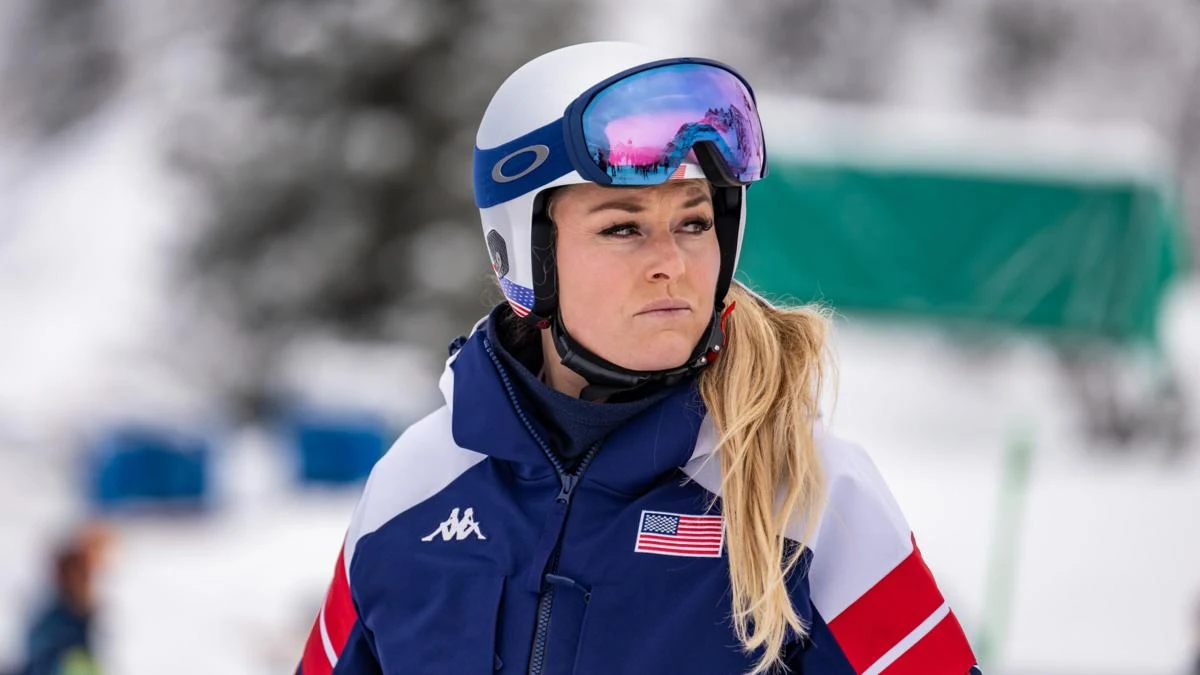
American skier Lindsey Vonn has incurred a complex tibia fracture following a crash in the women's downhill competition at the Winter Olympics, according to reports. The incident has brought an end to her Olympic campaign, but Vonn expressed no regrets over the incident, stating she had given her all to the competition.
The crash occurred during the downhill event, with Vonn attempting a challenging run. Despite the severity of the injury, Vonn appears to be in positive spirits, emphasizing her willingness to take risks and push the limits of her skiing abilities. This mindset has defined her career, marked by numerous victories and a determination to succeed at the highest level.
Why this matters now is that it underscores the risks athletes take to compete at the pinnacle of their sports. Vonn's situation serves as a reminder of the fine line between success and injury in high-speed sports like downhill skiing. As the sports world watches, the incident highlights the importance of athlete safety and the need for effective injury prevention measures.
Assessing the Impact
The injury to Lindsey Vonn is not only a personal setback but also has implications for the sport as a whole. It raises questions about the safety of downhill skiing and whether enough is being done to protect athletes from severe injuries. Economists might argue that the loss of a high-profile athlete like Vonn could have repercussions on the sport's popularity and, by extension, its economic viability.
What remains unclear is how this incident will influence the future of downhill skiing, particularly in terms of safety regulations and the measures taken to prevent similar injuries. The technology used in skiing equipment and the design of courses could be areas of focus in the aftermath of Vonn's accident.
As policymakers and politicians consider the broader implications of such injuries, they must balance the need for athlete safety with the inherent risks of participating in high-speed sports. The dynamic between safety measures, athlete willingness to take risks, and the public's appetite for thrilling competitions will be crucial in shaping the future of sports like downhill skiing.
Market and Social Mechanisms
The market mechanism at play here involves the interplay between the demand for thrilling sports content and the supply of safety measures to protect athletes. The social mechanism, on the other hand, pertains to how society perceives risk and reward in sports, influencing both participation and viewership.
What should readers watch next is how the skiing community, including athletes, coaches, and organizers, responds to Vonn's injury. This could involve a review of safety protocols, the adoption of new technologies to mitigate risk, and a broader discussion on the culture of risk-taking in sports.
Looking Ahead
In the next few sessions, key risks include the potential for further injuries if safety measures are not adequately addressed. Potential next steps could involve emergency meetings among skiing's governing bodies to discuss and implement enhanced safety protocols.
The Bottom Line
- Lindsey Vonn's complex tibia fracture underscores the high risks in downhill skiing, prompting a reevaluation of safety measures.
- The incident highlights the delicate balance between athlete safety and the public's desire for competitive, high-speed sports.
- The response to Vonn's injury will be crucial in determining the future trajectory of downhill skiing, including potential shifts in safety regulations, technological innovations, and public perception.
