

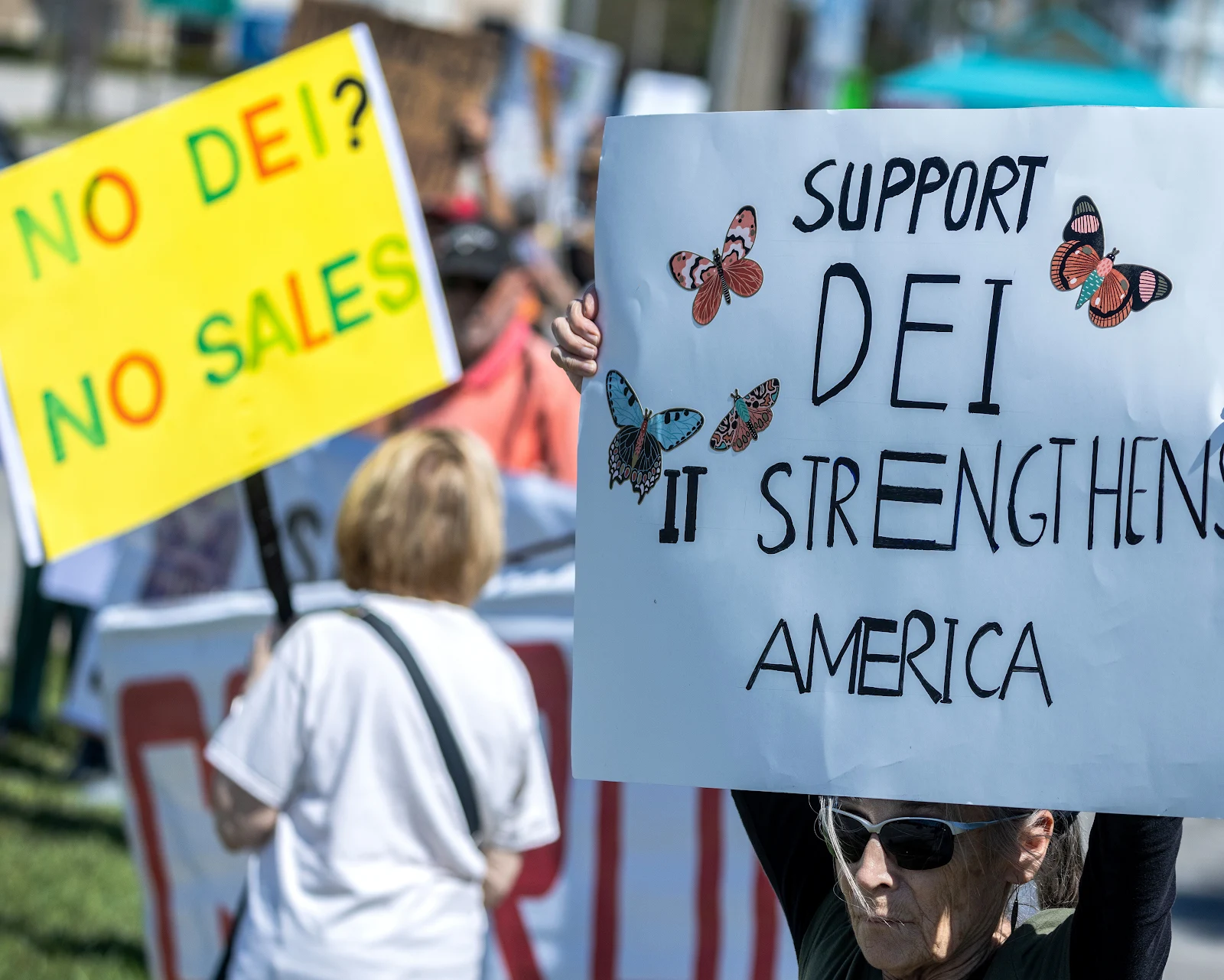
The concept of diversity, equity, and inclusion (DEI) has been under intense scrutiny, particularly in the United States, where it has become a focal point of the culture war. According to law professors Kenji Yoshino and David Glasgow, authors of the new book How Equality Wins: A New Vision for an Inclusive America, the acronym DEI may be dying, but the underlying value of equality is far from dead. As reported by The Guardian, Yoshino and Glasgow argue that the project of equality is in desperate need of a survival plan.
Yoshino and Glasgow, both experts in anti-discrimination law, have spent years consulting leaders on how to make their workplaces more inclusive. They contend that understanding what advocates are fighting for and what they're fighting against is crucial for equality's survival. Opponents of DEI argue that it leads to incompetence, with people being hired or given opportunities based on their race or gender rather than their qualifications.
However, Yoshino and Glasgow posit that this reasoning ignores the inherent biases in the hiring process. They cite the example of symphony orchestras, where the use of screens to hide a musician's identity during auditions led to a significant increase in the number of female musicians being hired. This approach, which they call "lifting versus levelling," removes bias from the system rather than creating targeted preferences.
Strategies for Equality's Survival
Yoshino and Glasgow outline several strategies for equality's survival, including "embrace universality" and "shift from cohort to content." The former involves focusing on programs that benefit everyone, rather than targeting specific groups. The latter involves shifting the focus from specific cohorts, such as students from marginalized backgrounds, to content restrictions that are legally permissible.
Another strategy, "shift from cohort to character," comes from a loophole left by the US Supreme Court in its affirmative action decision. The court allowed universities to consider an applicant's discussion of how race affected their life in their essay. Yoshino and Glasgow argue that this exemption enables organizations to get creative in their approach to diversity and inclusion.
These strategies are more important than ever, as DEI faces attacks from both cultural wars and litigation. The US Equal Employment Opportunity Commission has announced an investigation into Nike over discrimination against white employees, while Trump's justice department has sued Minnesota over the state's affirmative action program.
The Business Case for Inclusion
Beyond the social case for equality, there is also a resounding business case for inclusion in the workplace. As the US becomes increasingly diverse, with the population projected to be majority-minority by 2040, and a majority of college-educated workers being women, organizations must learn to work across differences to achieve their mission. Glasgow notes that "it's really hard to imagine that your workplace, your organization or your community could achieve any of its mission if it wasn't able to teach its people to work across differences."
Yoshino and Glasgow remain hopeful that DEI can still live on, not by name, but by purpose, if people see it as something larger and more important than the cultural wars have framed it to be. As Yoshino said, "We worry that a lot of people associate DEI with just a set of technocratic HR practices, like a bias training when you get onboarded at your new job or having a celebration of a heritage month at your university." However, DEI ultimately has its origins in the civil rights movement, and its purpose is to ensure that the promise of civil rights is made real in people's everyday lives and opportunities.
