

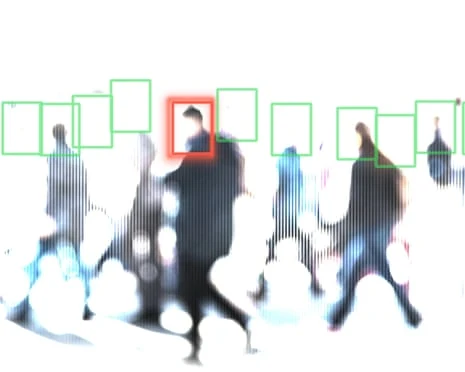
A recent incident at a Sainsbury's supermarket in London has raised concerns over the use of facial recognition technology, after a man was misidentified and ordered to leave the store. Warren Rajah, a regular customer at the Elephant and Castle location, was told to abandon his shopping and leave the premises due to an error in the Facewatch system.
The incident has sparked criticism over the use of facial recognition technology in retail settings, with some arguing that it infringes upon individuals' right to privacy. According to sources, the Facewatch system is designed to identify potential shoplifters, but in this case, it appears to have incorrectly identified Rajah, who claims he has never been involved in any criminal activity.
The use of facial recognition technology in supermarkets like Sainsbury's has significant implications for public policy, as it raises questions about the balance between security and individual privacy. As the technology becomes more widespread, it is essential to consider the potential risks and consequences of misidentification, as well as the need for transparency and accountability in its use.
Understanding Facial Recognition Technology
Facial recognition systems like Facewatch use complex algorithms to identify individuals based on their facial features. However, as the incident at Sainsbury's demonstrates, these systems are not foolproof and can lead to misidentification. Economists and industry experts are closely watching the development of this technology, as it has the potential to significantly impact the retail sector.
What remains unclear is how Sainsbury's plans to address the issue of misidentification and ensure that its facial recognition system is used responsibly. The company has not commented on the specific incident, but it is likely that it will face increased scrutiny over its use of the technology in the coming weeks.
Market and Social Mechanisms
The use of facial recognition technology in retail settings is part of a broader trend towards the use of biometric data in security and marketing applications. As the technology becomes more widespread, it is likely that we will see significant shifts in the way that companies approach customer identification and security.
What should readers watch next is how Sainsbury's and other retailers respond to concerns over facial recognition technology, and whether they will implement additional safeguards to prevent misidentification. This could include increased transparency over the use of the technology, as well as the implementation of procedures for addressing errors and protecting individual privacy.
Forward Outlook
In the coming weeks, we can expect to see increased debate over the use of facial recognition technology in retail settings, as well as potential regulatory action to address concerns over privacy and security. Key risks include the potential for further misidentification incidents, as well as the possibility of a backlash against companies that use the technology.
The Bottom Line
- The use of facial recognition technology in retail settings raises significant concerns over individual privacy and the potential for misidentification.
- The incident at Sainsbury's highlights the need for transparency and accountability in the use of this technology.
- As the technology becomes more widespread, it is essential to consider the potential risks and consequences of its use, as well as the need for regulatory action to protect individual rights.
