

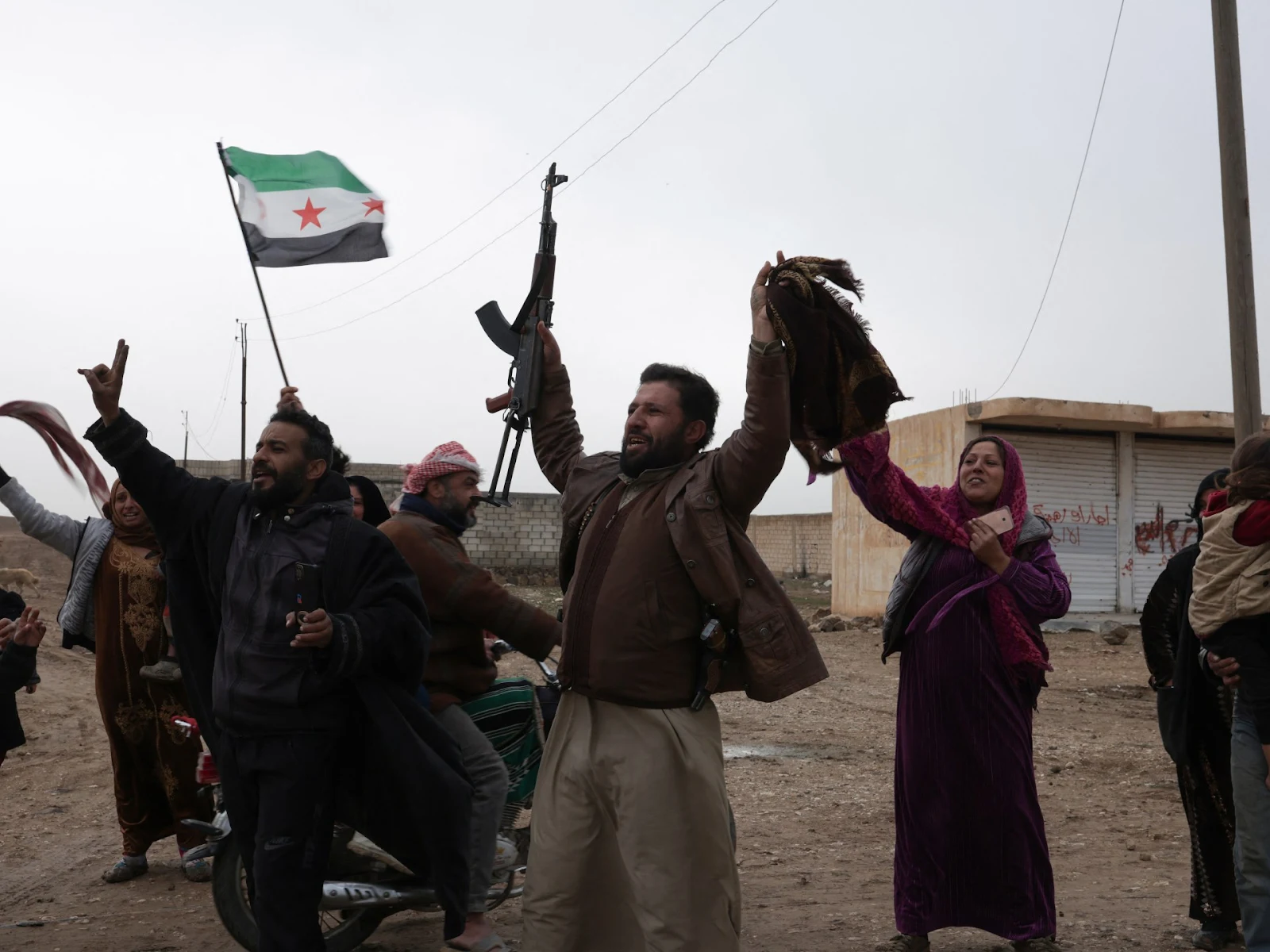
Syrian forces have begun deploying in the northeastern city of Hasakah, previously under the control of the Kurdish-led Syrian Democratic Forces (SDF), as part of a ceasefire agreement between the two parties. This development marks a significant shift in the balance of power in the region, with potential implications for the ongoing conflict in Syria. According to sources, the deployment is aimed at establishing a unified Syrian presence in the area, potentially paving the way for further negotiations between the Syrian government and the SDF.
The ceasefire agreement, which led to the deployment of Syrian forces in Hasakah, appears to indicate a willingness from both sides to de-escalate tensions and work towards a more stable and unified Syria. However, the situation remains fragile, and the success of this agreement will depend on the ability of both parties to maintain the ceasefire and engage in constructive dialogue. Reports suggest that the SDF has agreed to cooperate with the Syrian government, but the extent of this cooperation and its potential impact on the region remain to be seen.
Why this matters now is that the deployment of Syrian forces in Hasakah could have significant implications for the balance of power in the region, potentially affecting the dynamics between the Syrian government, the SDF, and other regional actors. The ability of the Syrian government to establish a unified presence in the area could also impact the country's ability to negotiate with other parties, including international organizations and neighboring countries.
Strategic Implications
The deployment of Syrian forces in Hasakah is likely to have significant strategic implications, particularly in terms of the economic stability of the region. The establishment of a unified Syrian presence in the area could potentially facilitate the reconstruction of infrastructure and the revival of economic activity, which could have a positive impact on the local population. However, the success of this effort will depend on the ability of the Syrian government to maintain stability and security in the region.
What remains unclear is the extent to which the SDF will cooperate with the Syrian government, and how this cooperation will impact the balance of power in the region. While the ceasefire agreement is a positive development, it is unclear whether it will lead to a lasting peace or simply a temporary reprieve from violence. The situation remains fragile, and the potential for further conflict remains high.
The dynamics between the Syrian government, the SDF, and other regional actors will be crucial in determining the success of the ceasefire agreement and the deployment of Syrian forces in Hasakah. Technological advancements in the region, particularly in terms of communication and surveillance, could also play a significant role in maintaining stability and security.
Market Mechanism
The market mechanism in the region is likely to be significantly impacted by the deployment of Syrian forces in Hasakah. The establishment of a unified Syrian presence in the area could potentially facilitate the reconstruction of infrastructure and the revival of economic activity, which could have a positive impact on the local population. However, the success of this effort will depend on the ability of the Syrian government to maintain stability and security in the region.
What should readers watch next is the ability of the Syrian government to maintain the ceasefire and engage in constructive dialogue with the SDF. The success of this effort will depend on the ability of both parties to cooperate and work towards a more stable and unified Syria. The international community, including regional organizations, will also play a crucial role in supporting the ceasefire agreement and promoting stability in the region.
Forward Outlook
In the next few sessions, the key risks will be the ability of the Syrian government to maintain the ceasefire and engage in constructive dialogue with the SDF. The potential next steps will be the establishment of a unified Syrian presence in the area, potentially paving the way for further negotiations between the Syrian government and the SDF.
The Bottom Line
- The deployment of Syrian forces in Hasakah marks a significant shift in the balance of power in the region, with potential implications for the ongoing conflict in Syria.
- The success of the ceasefire agreement will depend on the ability of both parties to cooperate and work towards a more stable and unified Syria.
- The international community, including regional organizations, will play a crucial role in supporting the ceasefire agreement and promoting stability in the region.
