

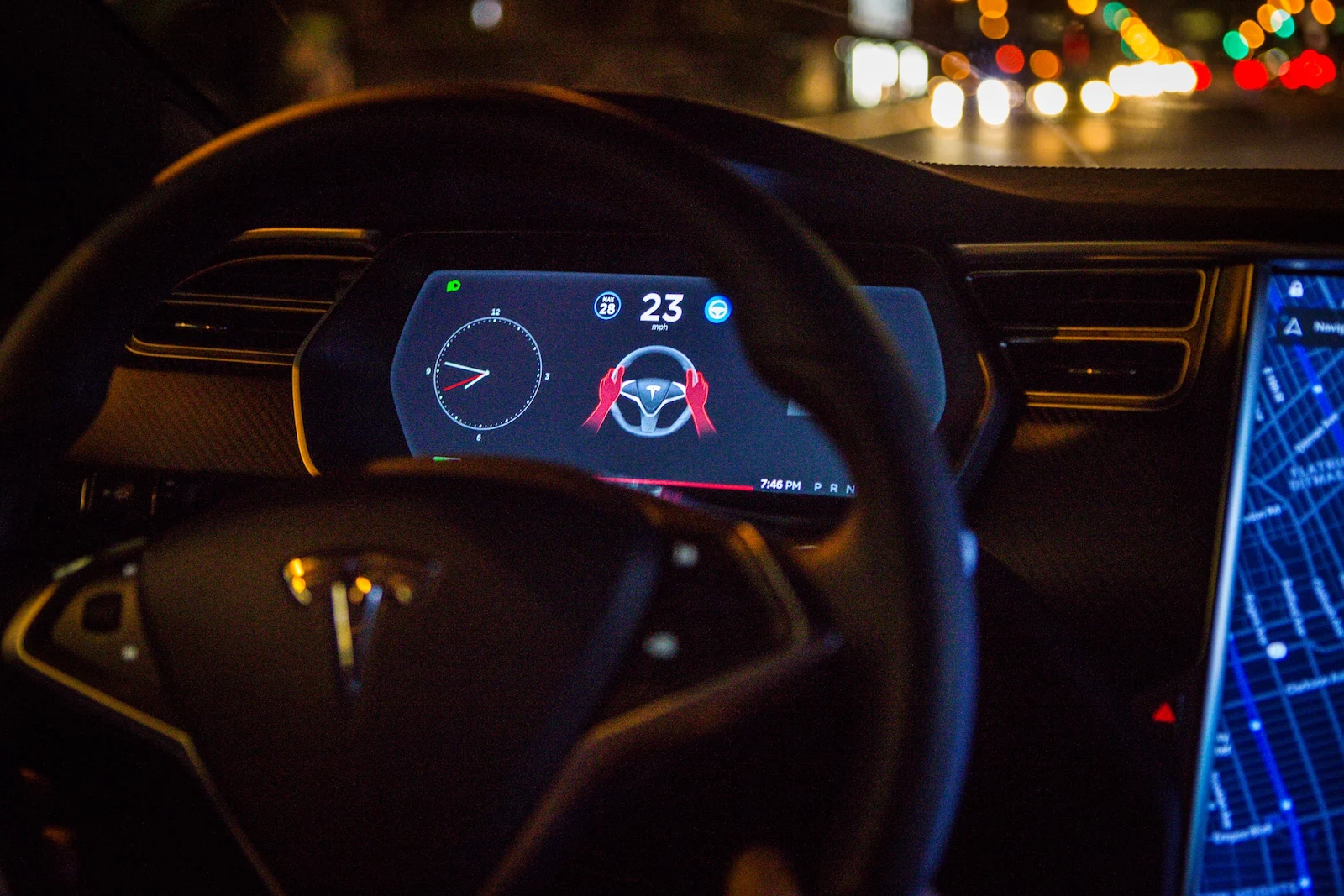
Tesla has dodged a 30-day suspension in California after removing the term 'Autopilot' from its marketing in the state. The decision, issued by the California Department of Motor Vehicles, means Tesla can continue selling its electric vehicles in California without interruption.
The case, which has been ongoing for nearly three years, centered on accusations that Tesla used deceptive marketing for its Autopilot and Full Self-Driving driver assistance systems. In November 2023, the DMV filed accusations that the terms misled customers and distorted the capabilities of the advanced driver assistance systems.
Tesla had previously modified its use of the term 'Full Self-Driving' to clarify that driver supervision is required. The company has now stopped using the term 'Autopilot' in California, and has also discontinued the Autopilot system in the US and Canada altogether. This move is expected to boost adoption of its Full Self-Driving (FSD) software, which requires a monthly subscription of $99.
The Regulatory Context
The DMV's decision highlights the importance of regulatory compliance in the development of autonomous driving technologies. California is Tesla's biggest US market, and the company's ability to operate in the state without interruption is crucial to its business.
Tesla's decision to drop the Autopilot term and modify its marketing is a significant step towards resolving the regulatory issues surrounding its driver assistance systems. The company's move to a subscription-based model for FSD is also expected to increase revenue and drive adoption of the technology.
Market Implications
The development has significant implications for the future of autonomous driving in California and beyond. As the industry continues to evolve, companies like Tesla must navigate complex regulatory landscapes to bring new technologies to market. The DMV's decision sets a precedent for the regulation of autonomous driving systems and highlights the need for clear and accurate marketing practices.
