

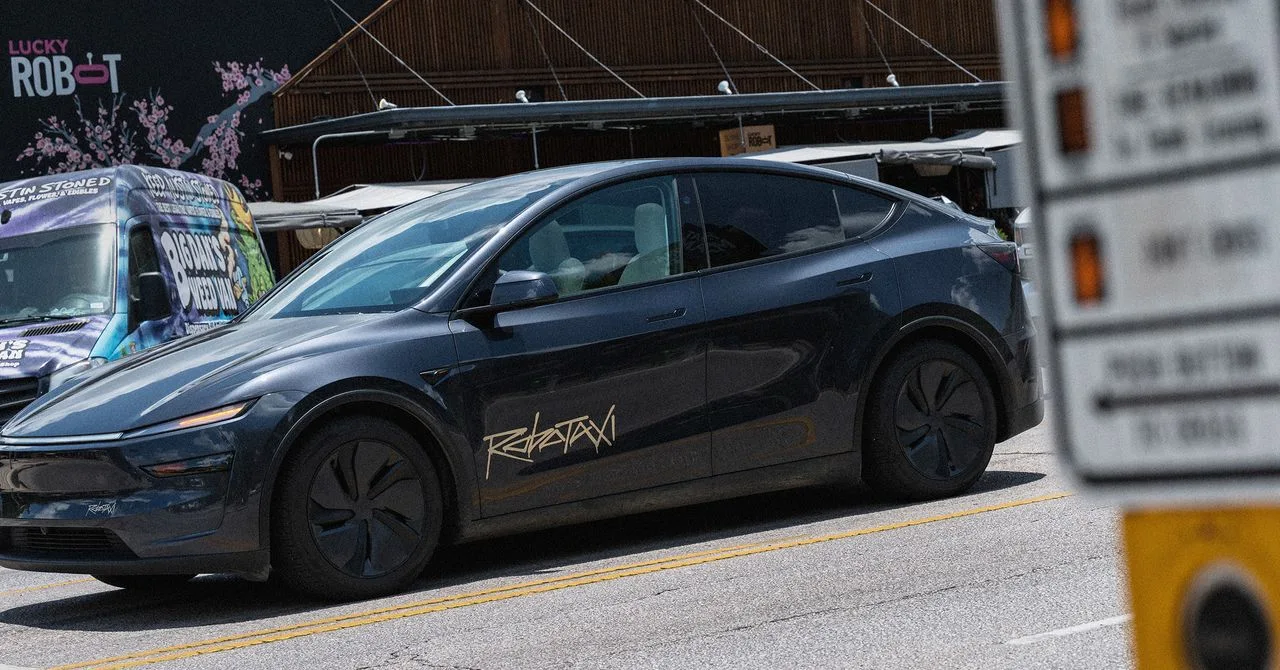
The notion that self-driving vehicles are simply remote-controlled cars has been a persistent conspiracy theory, fueled in part by the reluctance of companies like Waymo and Tesla to disclose details about the humans who assist their autonomous systems. However, recent government documents submitted by these companies have shed more light on the critical role of human operators in ensuring the safe operation of self-driving cars.
According to the documents, Waymo and Tesla both employ remote assistance programs that utilize human operators to respond to requests from the vehicle software when it encounters situations it cannot handle on its own. These humans provide data or advice to the systems, which can then use or reject the information as needed. As Philip Koopman, an autonomous-vehicle software and safety researcher at Carnegie Mellon University, notes, the role of human operators is crucial in ensuring the safety of self-driving cars.
Inside the Platform
Waymo's remote assistance program, for example, employs around 70 assistants at any given time to monitor some 3,000 robotaxis. The company has confirmed that half of these remote assistance workers are contractors based in the Philippines, who are licensed to drive in the Philippines but trained on US road rules. In contrast, Tesla's remote operators are based domestically, in Austin and the Bay Area, and undergo extensive background checks and drug and alcohol testing.
The details of these remote programs are important because they highlight the ongoing dependence of self-driving cars on human intervention. As Koopman notes, if there's a person who can make a mistake that can result in or contribute to a crash, then you have a safety issue you have to deal with. The fact that both Waymo and Tesla are relying on human operators to assist their autonomous systems underscores the complexity and challenges of developing fully autonomous vehicles.
The Safety Tradeoff
The use of human operators in self-driving cars also raises questions about the safety tradeoff. On the one hand, human intervention can help prevent accidents by providing an additional layer of oversight and control. On the other hand, the reliance on human operators can also introduce new risks, such as the potential for human error or fatigue. As the industry continues to evolve, it will be important to carefully consider these tradeoffs and develop strategies for mitigating the risks associated with human operator error.
As the self-driving car industry continues to expand, the role of human operators will likely remain a critical component of the system. While companies like Waymo and Tesla are working to develop more advanced autonomous systems, the need for human intervention will likely persist for the foreseeable future. As Koopman notes, if you care about robot safety, pay attention to the people behind the scenes who are helping to make self-driving cars a reality.
