

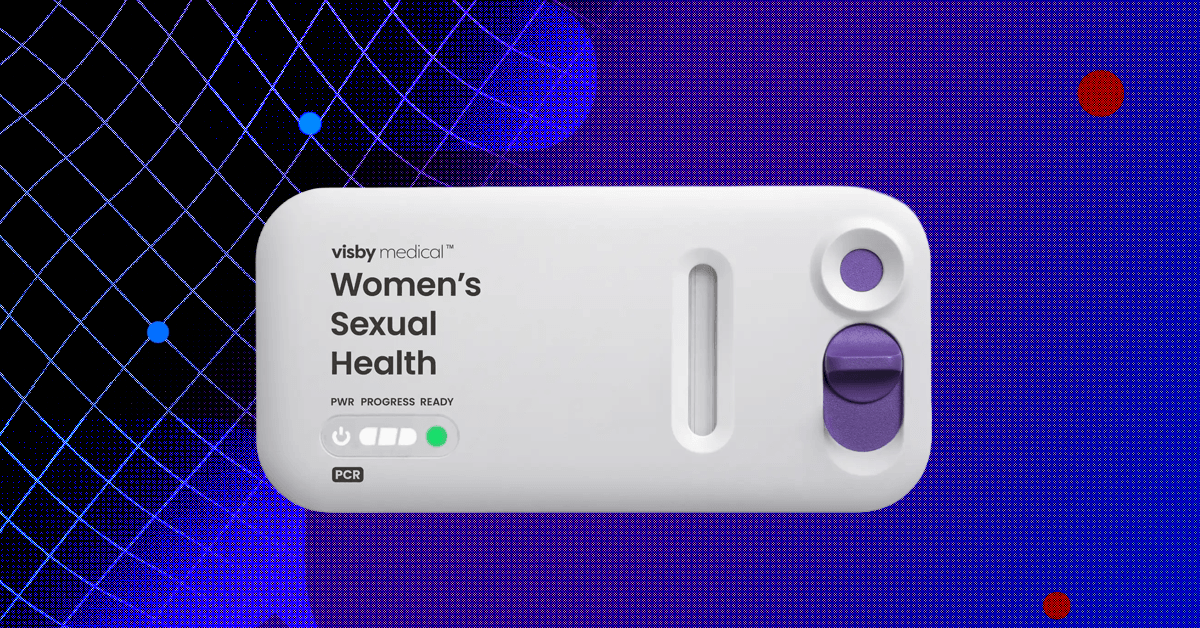
The landscape of sexually transmitted infection (STI) testing is undergoing a significant shift with the emergence of at-home STI tests, offering individuals a more private and convenient alternative to traditional clinic visits. According to the Center for Disease Control, STIs are more prevalent than they were a decade ago, with 2.2 million reported infections in 2024.
At-home STI tests utilize samples of blood, urine, and/or samples collected from the vagina or rectum to detect STIs, with costs ranging between $100 and $400. Dr. Shannon Chatham, Medical Director at Wisp, notes that these tests can be just as accurate as those performed in a doctor's office when used correctly, as they often employ the same laboratory testing methods.
Inside the Technology
The underlying technology behind at-home STI tests is similar to that used in lab tests, with companies like Dame and Everlywell offering discreet, easy-to-use kits that can provide results in as little as 30 minutes. However, experts caution that if a positive result is obtained, a follow-up conversation with a medical professional is still necessary to understand next steps.
Dr. Kate McLean, Chief Medical Officer at Evvy, agrees that at-home tests can match lab accuracy but emphasizes the importance of careful sample collection and the use of tests from reputable, FDA-approved, or CLIA-certified companies. Sofie Roos, a licensed sexologist and relationship therapist, views at-home STI tests as a valuable alternative to professional screening, particularly for those who may feel anxious about visiting a doctor's office.
The Accessibility Question
At-home STI tests can be more accessible for individuals who live in areas with limited healthcare options or have transportation difficulties. They also offer the convenience of being able to conduct the test at any time, without the need for an appointment. However, the high cost of these tests may be a barrier for some, and the risk of incorrect sample collection or false negatives is a concern.
Experts like Dr. Gary Schoolnik, Chief Medical Officer at Visby Medical, stress the importance of following kit instructions exactly and avoiding contamination to ensure accurate results. Additionally, individual health factors, such as being on one's period or having recently used antibiotics, can impact test accuracy.
Regulatory Pressure Builds
The rise of at-home STI tests also raises questions about regulation and oversight. While many tests are reputable and FDA-approved, the risk of incorrect results or inadequate treatment is a concern. As the industry continues to evolve, it is essential to ensure that at-home STI tests are held to the same standards as traditional lab tests.
In conclusion, at-home STI tests offer a convenient and private alternative to traditional testing methods, but it is crucial to weigh the benefits against the potential drawbacks. As the technology continues to improve, it is essential to prioritize accuracy, accessibility, and regulatory oversight to ensure that individuals have access to reliable and effective STI testing options.
