

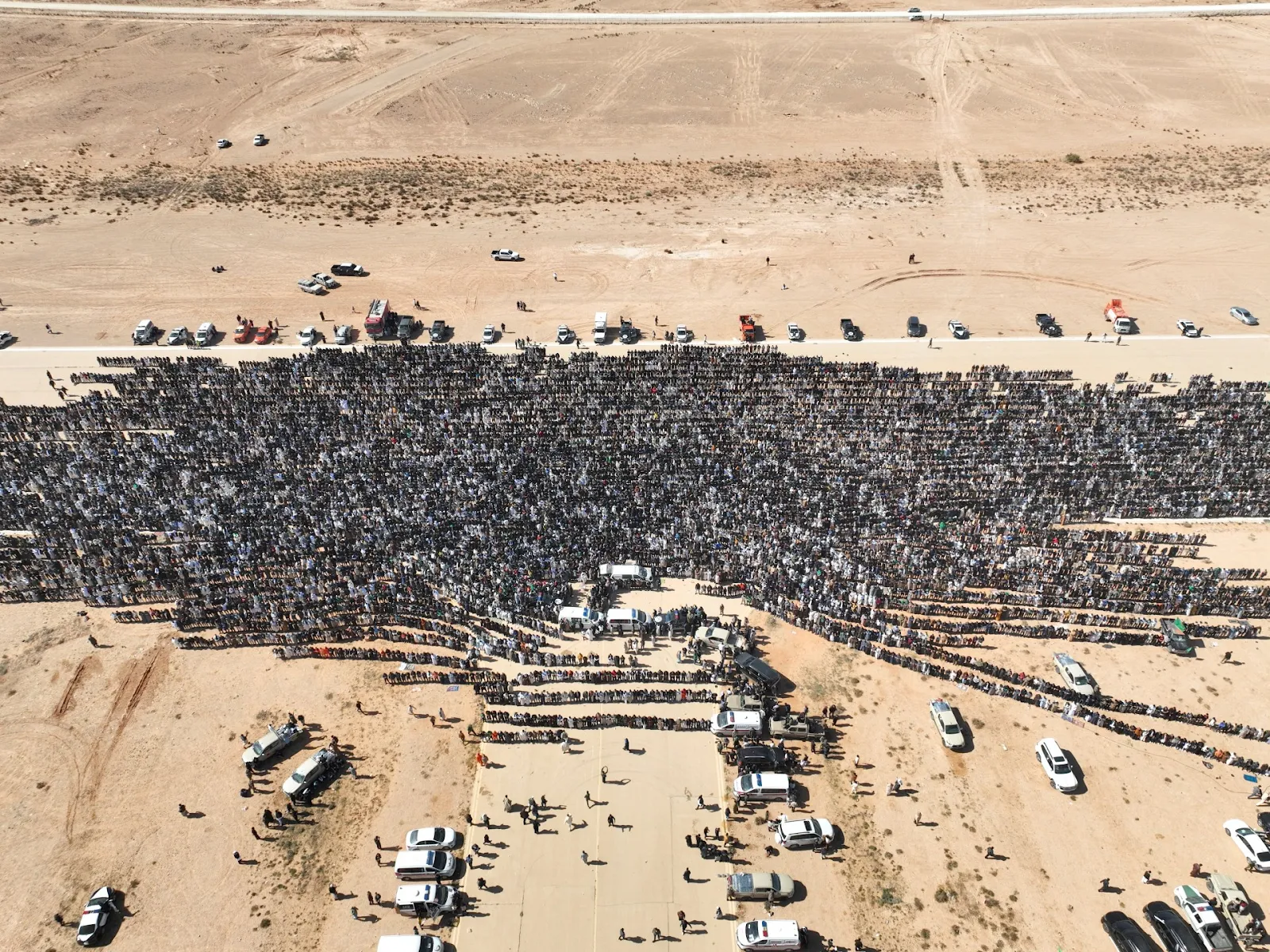
Saif al-Islam Gaddafi, the son of former Libyan leader Muammar Gaddafi, has been a pivotal figure in the country's tumultuous politics. According to sources, his name represented an alternative line of succession, posing a challenge to Libya's rival elites who sought control.
This matters now because the struggle for power in Libya has been ongoing since the fall of Muammar Gaddafi's regime. Economists and policymakers have been closely watching the developments, as the country's stability is crucial for the region. The presence of Saif al-Islam Gaddafi had the potential to shift the balance of power, making him a key figure in the conflict.
Why this matters now is that the fate of Saif al-Islam Gaddafi could have significant implications for the future of Libya. His potential to unite or divide the country's rival factions makes his situation a critical factor in the ongoing power struggle. As political analysts note, the country's elites have been vying for control, and Saif al-Islam Gaddafi's presence was a wildcard that could not be ignored.
Power Dynamics in Libya
The mechanism driving the power struggle in Libya is complex, involving various factions and interests. Reports suggest that the country's rival elites have been trying to consolidate their power, with some seeking to neutralize potential threats, including Saif al-Islam Gaddafi. This has led to a delicate balance of power, with each faction seeking to assert its dominance.
The second-order effects of Saif al-Islam Gaddafi's fate could be far-reaching, impacting not only Libya but also the region. As economists point out, the country's instability has already had significant economic implications, and further conflict could exacerbate the situation.
What remains unclear is how the various factions in Libya will respond to the developments surrounding Saif al-Islam Gaddafi. While some may see his fate as an opportunity to assert their control, others may view it as a threat to their interests. As technological advancements continue to shape the conflict, the situation on the ground remains fluid.
Actor Dynamics and Strategic Implications
The dynamics between the various actors involved in the Libyan conflict are complex, with each faction pursuing its own interests. Policymakers and diplomats have been working to establish a stable government, but the presence of Saif al-Islam Gaddafi had the potential to disrupt these efforts.
What should readers watch next is how the international community responds to the developments in Libya. The country's stability is crucial for regional security, and the fate of Saif al-Islam Gaddafi could have significant implications for the future of the region.
Future Outlook and Risks
In the next few sessions, key risks include further escalation of the conflict, potentially drawing in external actors. The potential next steps could involve increased diplomatic efforts to establish a stable government, but the situation remains highly uncertain.
The Bottom Line
- The fate of Saif al-Islam Gaddafi has significant implications for the future of Libya and the region.
- The power struggle in Libya is driven by complex dynamics, involving various factions and interests.
- The international community must closely watch the developments in Libya, as the country's stability is crucial for regional security.
