

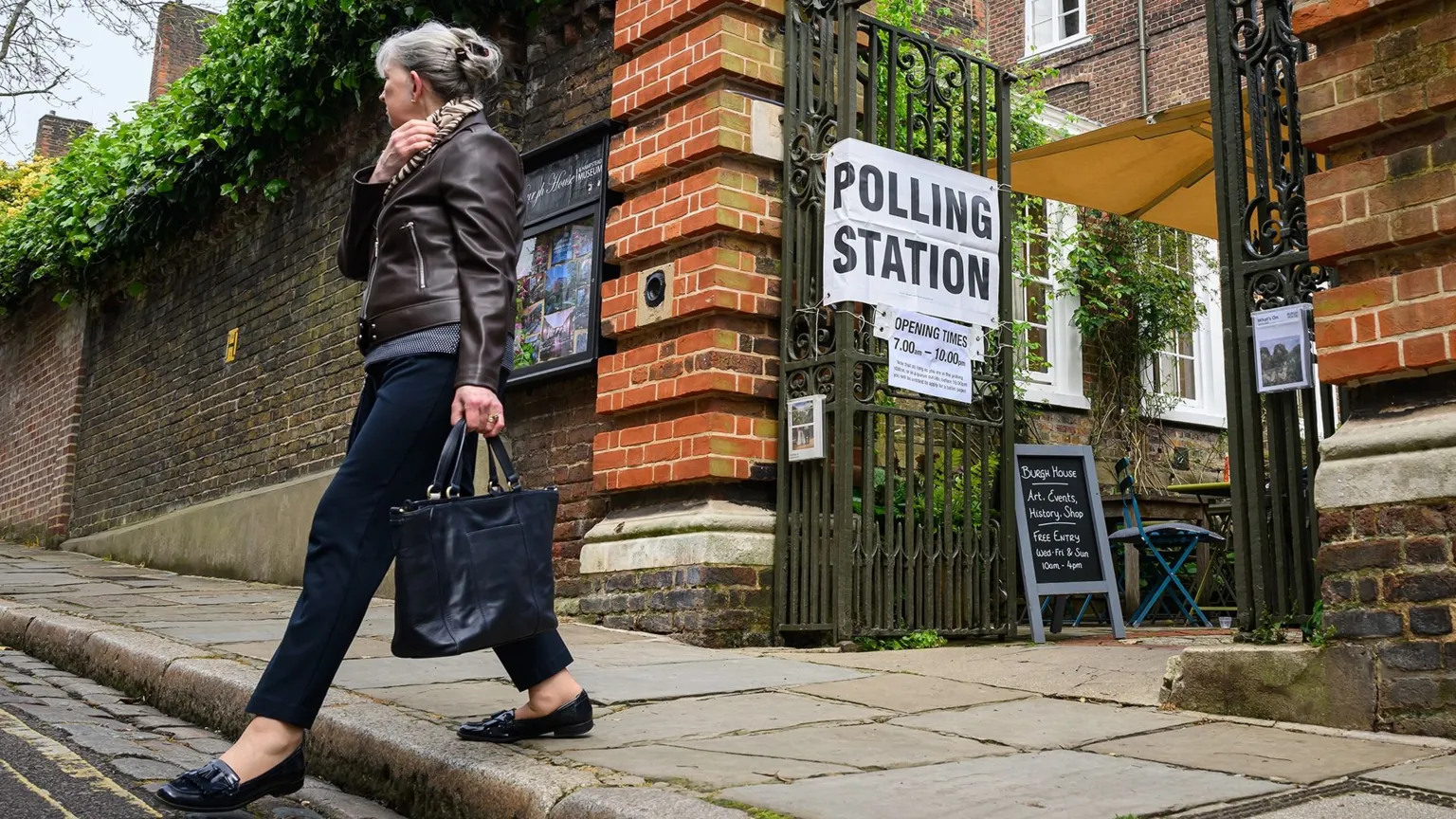
The UK government has abandoned plans to delay 30 council elections in England, following advice that the move could be unlawful. Local Government Secretary Steve Reed had initially approved the delays until 2027.
Reform UK had launched a legal challenge against the plans, which was set to be heard in the High Court. The decision to drop the delays has been welcomed by opposition parties, who had branded the move undemocratic.
According to a statement from the Ministry of Housing, Communities and Local Government, the government has withdrawn its original decision to postpone the elections. The move comes after the government was taken to court by Reform UK, with leader Nigel Farage stating that they had "won" the case.
Government Response
Local Government Secretary Steve Reed said the government had decided to proceed with the elections in May 2026. Reed also announced that the government would provide an extra £63m to the 21 areas affected by the local government reorganisation.
A spokesperson for the Ministry of Housing, Communities and Local Government said providing certainty to councils about their local elections was now the most crucial thing, and all local elections would go ahead in May 2026.
Reaction from Opposition Parties
Liberal Democrat leader Sir Ed Davey said his party had "fought tooth and nail" to stop the delays and the government had been forced into a "humiliating U-turn". Conservative Party leader Kemi Badenoch said it was "predictable chaos from a useless government" and her party had opposed the cancellations at every opportunity.
Green Party leader Zack Polanski said he was pleased the government had done another U-turn, describing the attempt to delay elections as part of a "disturbing authoritarian trend".
Council Elections to Proceed
The 30 council elections that were due to be delayed will now take place in May 2026. The councils affected include Adur District Council, Basildon Borough Council, and Blackburn with Darwen Council, among others.
Laura Lock, deputy chief executive of the Association of Electoral Administrators, said teams involved in organising elections had "lost months of essential planning time" and faced an uphill struggle to catch up.
