

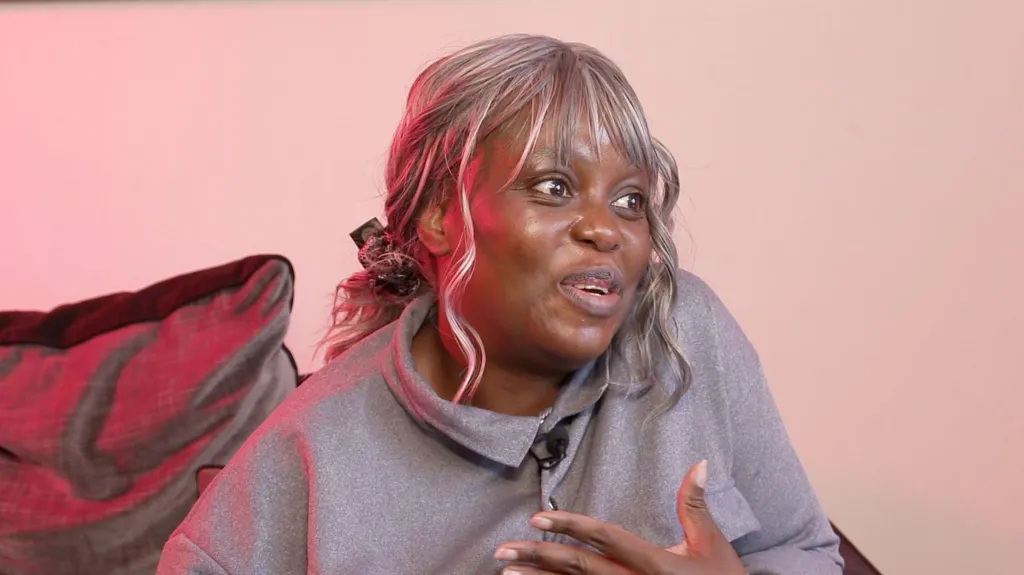
Amanda James-Hammett, 37 at the time, suffered a stroke while doing dishes at home. She lost the ability to speak and move her right arm within hours.
According to the BBC, six years later, Amanda participated in a nationwide NHS trial for a new at-home device that could help stroke survivors regain hand and arm movement.
The technology, tested at 19 NHS sites across the UK, is led by Sheffield Teaching Hospitals NHS Foundation Trust in partnership with the University of Sheffield.
Research Background
Researchers behind the £2m study, known as the Triceps trial, aim to recruit around 270 people. Dr Sheharyar Baig, a neurologist at Sheffield's Royal Hallamshire Hospital, says stroke is the leading cause of adult-onset disability in the UK.
Stroke affects about 100,000 people a year, with more than a million living with its long-term effects. Around half of stroke survivors experience ongoing arm weakness.
Treatment Details
Participants in the Triceps trial use a small electrical device that stimulates the vagus nerve while carrying out rehabilitation exercises. The device is non-invasive and can be used at home.
Amanda used the device for up to an hour a day as part of her rehab over 12 weeks. She combined it with exercises and everyday tasks, seeing changes in her hand after a couple of weeks.
Results and Monitoring
So far, more than 200 people have taken part in the trial. Researchers say early signs are promising, with some wonderful improvements in people's arm function.
The Stroke Association, which is part-funding the research, is closely monitoring the results. The charity's associate director of systems engagement, Maeva May, says they want to understand what patients respond best to the technology and how.
