

The United States and Japan have announced a series of investments in oil, gas, and critical mineral projects worth approximately $36bn, in a move aimed at reducing dependence on foreign sources and countering China's economic influence. As reported by The Guardian, this development is part of a broader trade deal between the two nations.
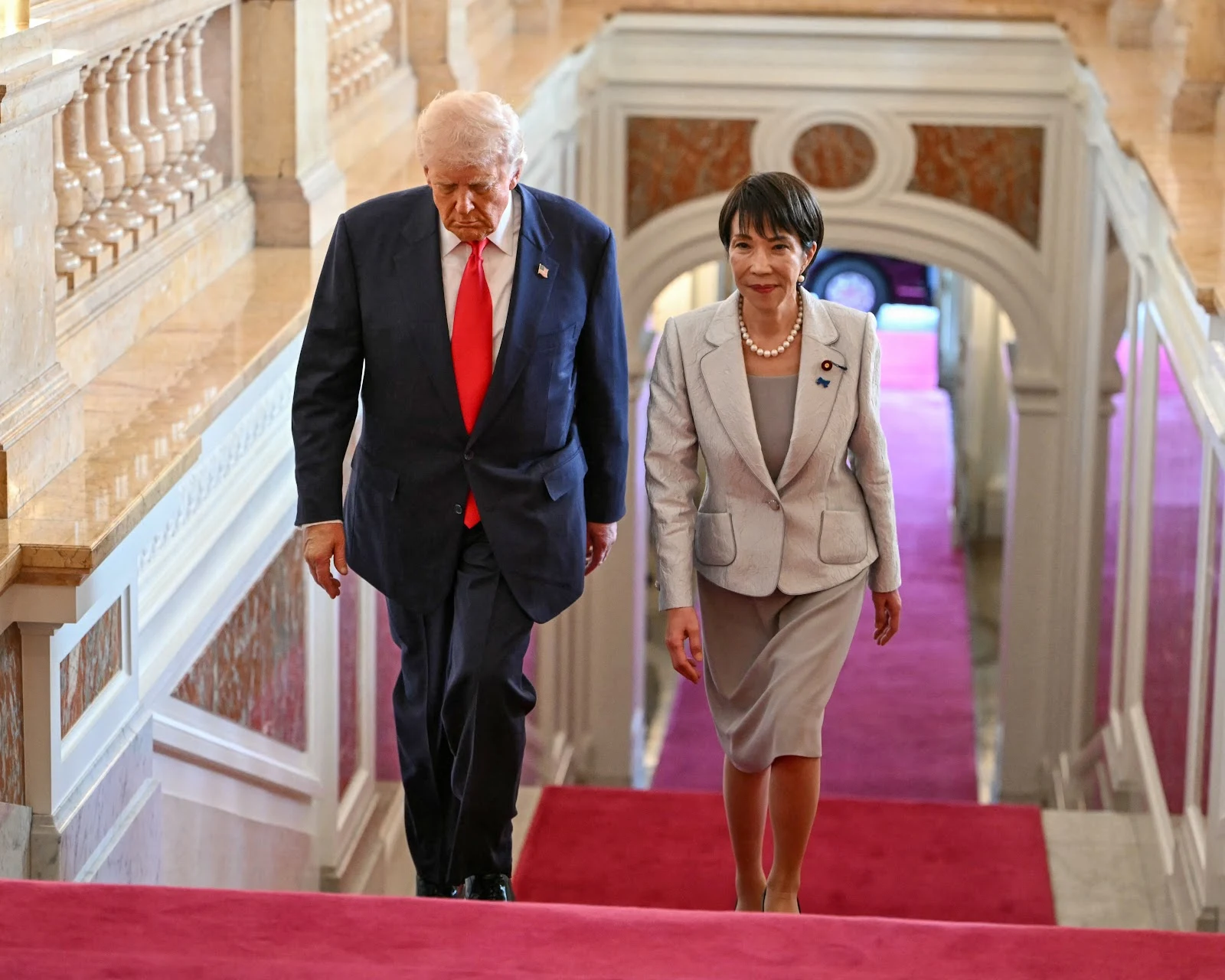
Japanese Prime Minister Sanae Takaichi and US President Donald Trump unveiled the plans, which include a power plant in Portsmouth, Ohio, billed as the largest natural gas-fired generating facility in US history. The project is expected to generate 9.2 gigawatts of electricity each year and will be operated by SB Energy, a subsidiary of Japanese conglomerate SoftBank Group.
The investments come at a time of heightened tensions between Japan and China over the security of Taiwan, with Beijing imposing restrictions on the export of rare earths to Japan. Takaichi expressed hope that the investments would enhance Japanese and US economic security, without directly mentioning China.
Enhancing Economic Security
Trump declared that the projects would "end our foolish dependence on foreign sources," while Takaichi stated that the investments would strengthen Japan's ties with the US. The White House announced that Japan would also invest in a deepwater crude oil export facility off the coast of Texas and a synthetic industrial diamond manufacturing site in Georgia.
The synthetic industrial diamond manufacturing site, valued at approximately $600m, is designed to ensure the US can fully produce all the synthetic diamond grit it requires domestically. According to Trump, this project "will end our foolish dependence on foreign sources." China currently controls much of the critical minerals market, dominating the world's mining and processing of rare earths.
Reducing Reliance on China
Beijing has not hesitated to wield its dominance in the critical minerals market, imposing restrictions on global imports of its rare earths. Such curbs were at the heart of an economic spat with Washington last year. While Trump and Chinese leader Xi Jinping reached a deal last October, which reduced tensions in the short term, US officials have repeatedly spoken of the need to reduce reliance on China for critical minerals.
Howard Lutnick, Trump's commerce secretary, stated that the planned industrial diamond project would enable the US to "no longer rely on foreign supply for this essential material." Lutnick added that Japan is providing the capital, while the infrastructure is being built in the United States, with the proceeds structured to allow Japan to earn its return and America to gain strategic assets, expanded industrial capacity, and strengthened energy dominance.
Economic Implications
The investments are part of a larger trade deal between the US and Japan, worth $550bn, which was announced last year. In return for Japan's investments, Trump agreed to reduce US tariffs on Japanese exports, including cars. The move has been seen as a significant development in the ongoing trade negotiations between the two nations.
Japan reported a 17% increase in exports in January, driven in part by a sharp rise in exports to China, despite the current tensions. The investments in oil, gas, and critical mineral projects are expected to further strengthen the economic ties between the US and Japan, while reducing their dependence on foreign sources.
