

Introduction to the Crisis
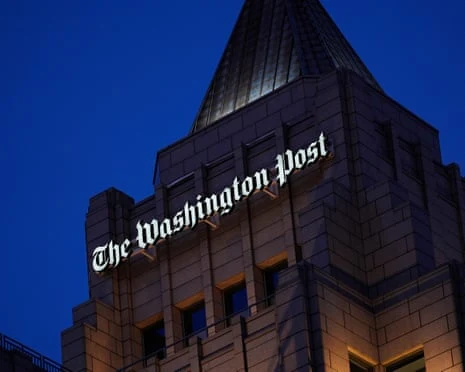
The Washington Post, a storied newspaper, has axed nearly one-third of its company, sparking fears of a potential 'death spiral' amid unpopular moves by its owner, Jeff Bezos. According to sources, the layoffs have raised concerns about the newspaper's future.
Under the leadership of Marty Baron, the Washington Post won 11 Pulitzer prizes and expanded its newsroom to house more than 1,000 journalists. However, the recent layoffs have diminished the aspirations of the news organization, Baron told the Guardian in an interview. He expressed worries that the layoffs might lead to a decline in subscribers, potentially triggering a 'death spiral'.
The Washington Post's situation matters now because it reflects the challenges faced by the media industry in the digital age. The decline of traditional newspapers has been a concern for years, and the recent layoffs at the Washington Post have highlighted the need for news organizations to adapt to changing reader habits and revenue models.
Strategic Context and Implications
The layoffs at the Washington Post appear to indicate a shift in the newspaper's strategy, with a focus on cost-cutting measures. According to reports, the move is part of a broader effort to streamline the organization and improve its financial sustainability. However, economists argue that such measures can have negative consequences, including a decline in the quality of journalism and a loss of talent.
The market mechanism at play in the media industry is driven by the need for news organizations to balance their financial sustainability with the need to produce high-quality journalism. The Washington Post's situation is a prime example of this challenge, with the newspaper facing pressure to reduce costs while maintaining its journalistic standards. For more information on the media industry's economic challenges, readers can explore our archives.
What remains unclear is how the Washington Post will navigate this challenging landscape and whether the layoffs will ultimately lead to a decline in the newspaper's reputation and subscriber base. As policymakers consider the implications of the media industry's decline, they may need to reassess the role of regulation in supporting high-quality journalism.
Readers should watch next for the Washington Post's efforts to restructure and adapt to the changing media landscape. The newspaper's ability to innovate and produce high-quality journalism will be crucial in maintaining its reputation and attracting subscribers. For insights into the impact of technology on the media industry, readers can follow our coverage of the latest trends and developments.
Forward Outlook and Risks
The key risks facing the Washington Post include a decline in subscribers, a loss of talent, and a potential 'death spiral'. The newspaper's next steps will be crucial in determining its future, with a focus on innovation, cost-cutting, and maintaining its journalistic standards. As the media industry continues to evolve, the Washington Post's ability to adapt will be essential in maintaining its reputation and attracting readers. For analysis of the political implications of the media industry's decline, readers can explore our archives.
The Bottom Line
- The Washington Post's layoffs have sparked fears of a potential 'death spiral' and highlighted the challenges faced by the media industry in the digital age.
- The newspaper's ability to adapt to changing reader habits and revenue models will be crucial in determining its future.
- The implications of the Washington Post's situation extend beyond the media industry, with potential consequences for the broader economy and society.
