

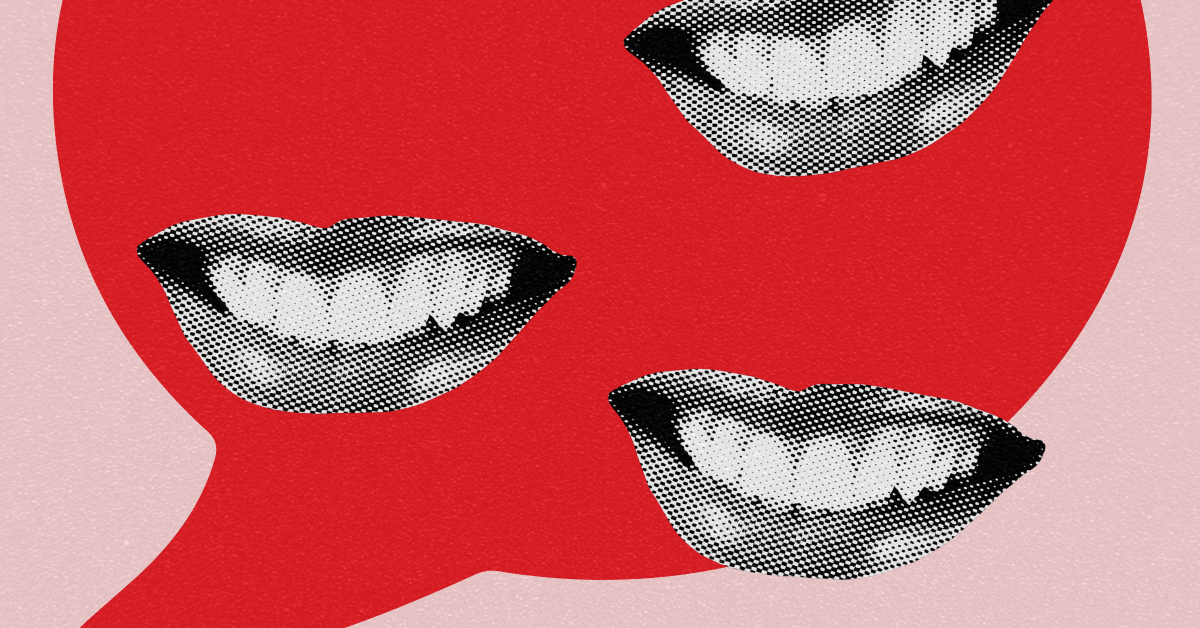
The Smile Directive
Anastasia Ryan, a writer and former telemarketer, recalls the countless times she was told to smile more. The comments, often made by men and often unsolicited, were a subtle signal that her emotions were not valid, that her expression was not in line with societal expectations. "It's frustrating because we're so much more than that," Ryan says.
The phenomenon of people telling others to smile more is not new. In fact, it's been happening for as long as anyone can remember. According to Marianne LaFrance, an emerita professor of psychology and women's, gender, and sexuality studies at Yale University, it's a manifestation of a deeper issue – a sense of entitlement that allows men to tell women what to do with their bodies.
LaFrance notes that people in certain industries, such as healthcare and service work, are especially likely to be told to smile more as a way of displaying femininity. "It's less about me, and it's all about your comfort," says Minda Harts, an assistant professor at NYU's Wagner Graduate School of Public Service. "It's not about me being joyful."
The comment "You should smile more" sends a subtle signal about whose feelings matter – and whose don't. "Being told to smile sends a message that 'you're inconveniencing me,' and over time, that erodes trust – not just with others, but with ourselves," Harts says.
Taking Back Control
Figuring out how to respond to the smile directive can be complicated. Experts agree that it's not always practical to respond the way you'd like to. So what can you do?
Some people opt to flash a smile, while others choose to remain stoic and let their eyes do the work of signaling that the request isn't welcome. LaFrance suggests offering a fake smile – one that's brief and looks like it's plastered on the face. "It's a put on," she says. "It conveys a, 'You want one? I'll show you one' sort of attitude."
But the response doesn't have to be about obeying the premise that the other person gets to call you out on something. LaFrance notes that what matters is the way it lands internally. "I know that what I'm doing inside isn't obeying the premise that he gets to call me out on something," she says. "But that I get to decide in what form."
Different scenarios call for different responses. When someone makes a comment about your appearance, acknowledge their intent without changing your behavior, suggests Tatiana Teppoeva, founder and CEO of One Nonverbal Ecosystem. You might say, "Thank you for caring," or "I appreciate you checking in."
Reclaiming Control
The idea is not to be nicer; it's to reclaim control. "I always tell people that you don't need a perfect response," Harts says. "You just need one that protects your dignity and makes you feel safe."
You don't have to perform happiness to be respected. You can be professional without providing joy on demand for somebody else.
What to Say When Someone Tells You to Smile More
If you're unsure how to respond, consider these phrases:
"Would you say that to a man?"
"It's not your job to provide me with any sort of feedback on my appearance."
"I'm comfortable with how I'm showing up right now."
"Why do you think so?" or "Can you say more about what you're noticing? Is there something specific you need from me right now?"
Ultimately, how you respond is a choice – not an obligation.
Attributed to: TIME Magazine article "15 Things to Say When Someone Comments on Your Weight"
Attributed to: TIME Magazine article "Can I Ask Someone if They’re on Ozempic?"
