

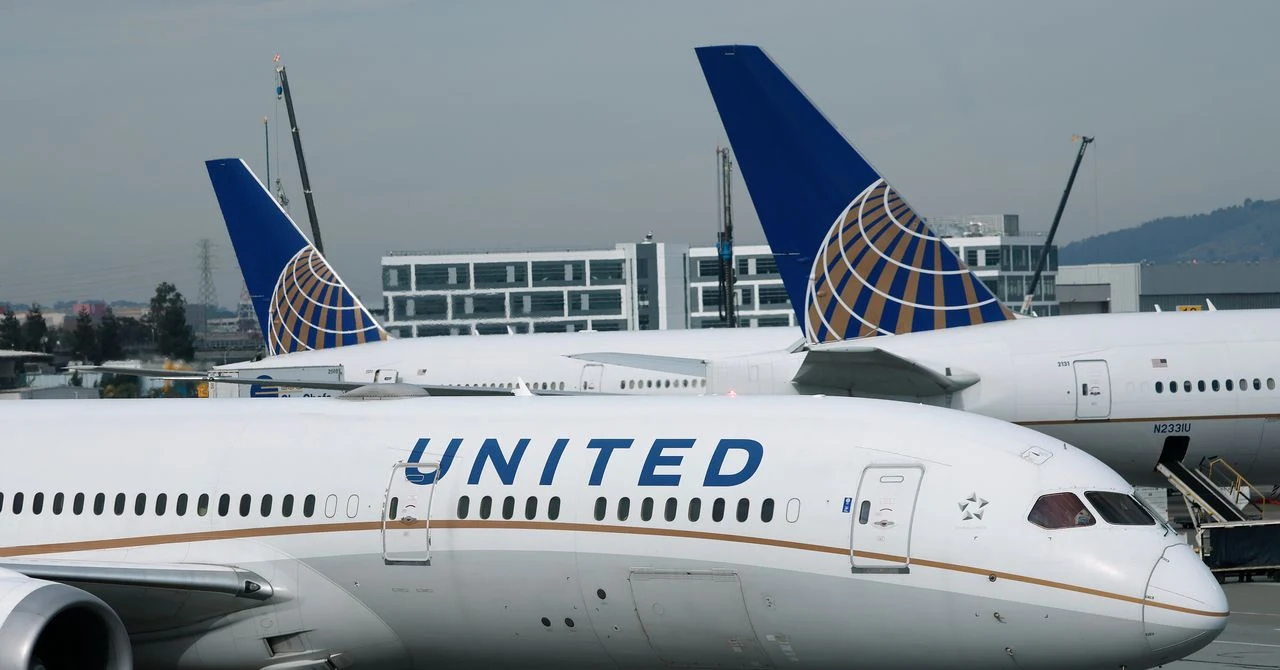
The war with Iran and the ensuing blockade in the Strait of Hormuz has sent oil prices spiking, prompting airlines to prepare for a prolonged crisis. United Airlines CEO Scott Kirby has published a memo to his employees, outlining the company's plans to mitigate the impact of high oil prices, which have doubled to $70 a barrel since the war started four weeks ago.
Kirby's memo reveals that the airline is assuming oil prices will reach $175/barrel and won't return to $100/barrel until the end of 2027. In response, United will cut 5 percent of its planned flight schedule during the second and third quarters of this year, with reductions coming in off-peak periods. This move is significant, not just for the travel industry, but for the wider global economy, according to analysts.
Inside the Industry
Airlines are particularly vulnerable to oil price fluctuations, with jet fuel accounting for between a quarter and a third of their operating costs. Jason Miller, a professor of supply chain management at Michigan State University's Eli Broad College of Business, notes that air transportation is one of the industries that spends the most on refined petroleum products. The impact of the oil crisis on airlines could be a harbinger of economic troubles to come.
Other airlines, such as American Airlines, are also feeling the effects of the fuel price spike. CEO Robert Isom reported that the company had spent an additional $400 million on fuel, and the airline is preparing to adjust its capacity to balance supply and demand. The uncertainty surrounding the crisis is adding to the complexity, making it challenging for airlines to plan for the future.
The Regulatory Angle
The oil crisis is not just an industry issue, but also a regulatory concern. The US government's response to the crisis will be crucial in determining the impact on airlines and the broader economy. As the situation unfolds, regulators will need to balance the need to support the airline industry with the need to address the underlying causes of the crisis.
Ahmed Abdelghany, a professor at Embry-Riddle Aeronautical University's College of Business, notes that the longer the uncertainty persists, the more problematic it will be for airlines. The industry is bracing for a potentially prolonged period of high oil prices, which could have far-reaching consequences for the global economy.
