

On February 28, 2026, the United States and Israel launched Operation Epic Fury, attacking Iran in flagrant violation of international law and the United Nations Charter. The assault, which caught Iran off guard, killed several high-ranking Iranian officials, including Supreme Leader Ali Khamenei.
The Iranian government, though bruised and bloodied, endured and retaliated by attacking US military installations and diplomatic missions in the Middle East and Israel with drones and missiles. However, the retaliation inflicted limited damage and failed to deter further attacks.
As the conflict escalated, Iran waited to see if its ally, China, would come to its aid. Two days into the war, during a regular news conference at the Chinese Ministry of Foreign Affairs, the ministry spokesperson, Mao Ning, reluctantly condemned the US-Israeli assault after an Iranian journalist protested.
China's Response
Chinese Foreign Minister Wang Yi later argued, “Might does not make right,” warning that the attacks proved that “the world has regressed to the law of the jungle.” However, Wang stopped short of explicitly naming the US or Israel as the aggressor, and China offered Iran little substantive assistance beyond rhetoric.
China contacted several Middle Eastern countries and sent a special envoy on a diplomatic tour of the region, helping to prevent Iran’s neighbours from joining the fray. However, Beijing made no attempt to directly confront the US or send Iran military aid, even when Iran closed the Strait of Hormuz, a vital maritime corridor through which 40 percent of China’s imported oil passes each day.
China's Priorities
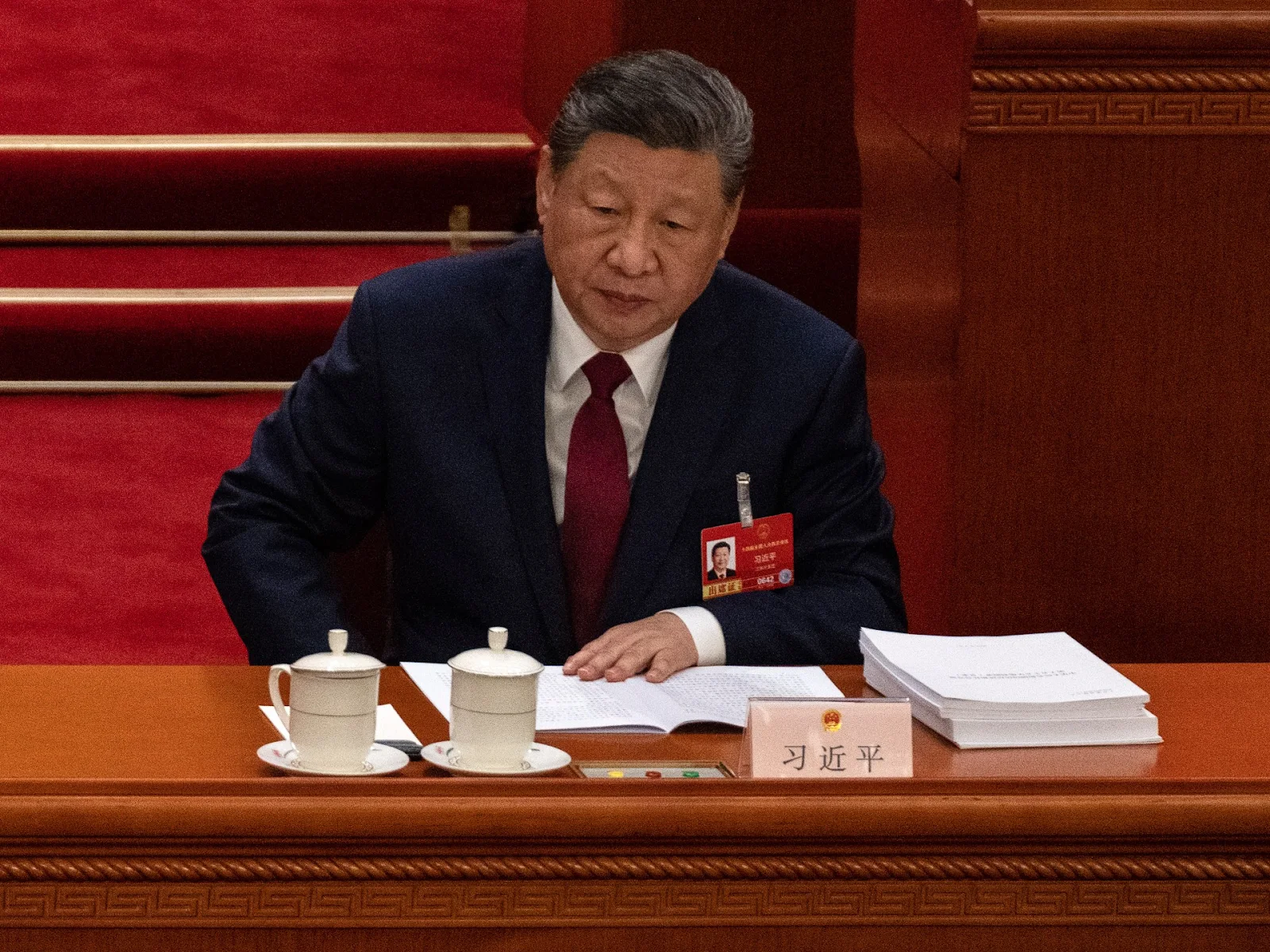
China’s muted response suggests that its priority lies elsewhere, specifically with Taiwan. One month before the US-Israeli attacks, Chinese President Xi Jinping and US President Donald Trump held a phone call, during which Xi reiterated that Taiwan is an inalienable part of China and warned Trump that the US must proceed with utmost caution regarding planned arms sales to Taiwan.
Trump stated that he attaches great importance to China’s concerns regarding Taiwan and promised to uphold sound and stable China-US relations. China’s silence on Iran speaks volumes, reinforcing the idea that despite Iran’s membership in Chinese-led initiatives, it is not as important to China as previously assumed.
According to Beijing, Trump conceded to Xi’s requests and delayed a multibillion-dollar arms sale to Taiwan. As Trump plans to visit China soon, directly confronting the US now would risk plunging China-US relations back into icy waters, an outcome China has long sought to avoid.
Source: Original Media Outlet Name
