

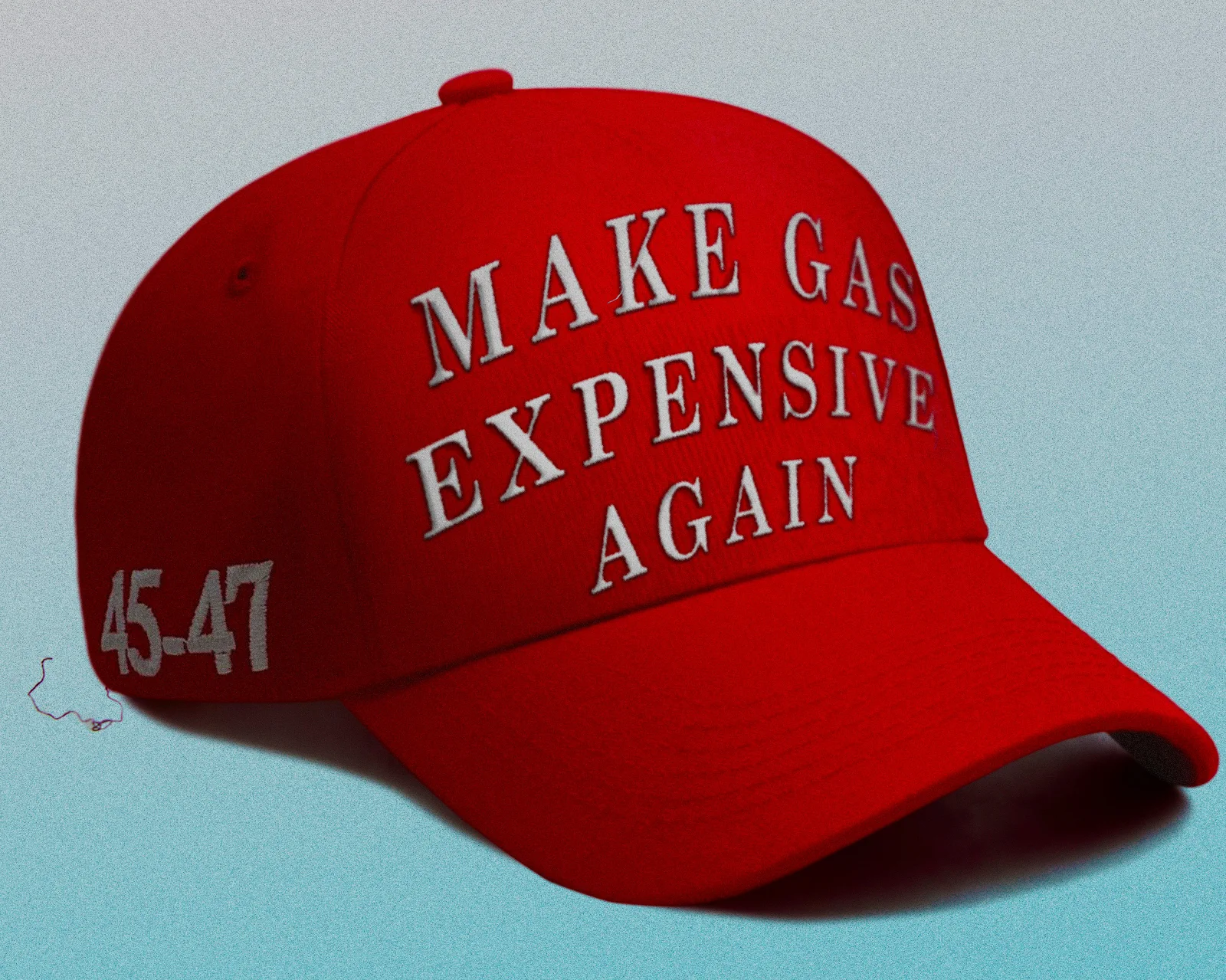
The ongoing conflict between the US and Iran has sparked concerns among experts that a prolonged war could have severe repercussions on the global economy. As the situation continues to unfold, financial markets are bracing for a potential surge in oil prices, inflation, and a decline in growth.
According to a US-based fund manager, the risks associated with higher oil prices are significant, but the market is still betting on a short-lived economic fallout. However, with each passing day, more problems are emerging, from soaring petrol and diesel prices to cancelled flights and travel disruptions.
As reported by The Guardian, European heavy industry is feeling the pinch, with companies like Huntsman and BASF struggling to cope with the rising energy costs. The cost of fertiliser, a crucial byproduct of the petroleum industry, is also rising sharply, threatening to hurt farmers worldwide and drive up food prices.
Economic Fallout
The record release of 400m barrels of oil stockpiled by International Energy Agency member states has helped calm fears over shortages, but experts warn that supply constraints will soon bubble up, hitting crude refineries and downstream fossil fuel products worldwide. Mark Dowding, a fund manager at RBC BlueBay, notes that there is an increasing shortage in refined products, with China issuing an export ban on refined products to protect domestic consumption.
Ian Stewart, the chief economist in the UK at Deloitte, warns that surging oil and gas prices are harbingers of economic trouble, citing past global economic crises triggered by energy price shocks. The clearest parallels are with the 1980s, when Ronald Reagan sent US warships to Hormuz to protect merchant shipping during the Iran-Iraq war.
Albert Edwards, a senior analyst at Société Générale, believes that the risks are asymmetric, and the market is underestimating the potential for stagflation. With about a fifth of global oil supplies passing through the Strait of Hormuz, the waterway provides the only seaborne route for vessels leaving the Gulf to the open seas beyond.
Global Supply Chains
The conflict is not only affecting energy markets but also having a ripple effect on global supply chains. Fossil fuels and petrochemical feedstocks are critical to the production of various goods, from plastics and chemicals to pharmaceuticals. Analysts at Société Générale warn that disruptions to supply chains beyond energy could become critical if the Strait of Hormuz remains blocked for months.
Kallum Pickering, the chief economist at Peel Hunt, notes that the context of the latest energy price shock is different from 2022, with weaker demand growth and less pent-up consumer appetite for goods and services. While there are hopes that the fallout can still be contained, the world economy is more interconnected than in the 1970s, making it a riskier and more fragile system.
Long-term Consequences
The world economy is likely to face long-term consequences, including reduced reliance on fossil fuels and increased energy intensity. Wei Yao, an economist at Société Générale, warns that the conflict has put the world's central banks "at the mercy of war." As companies and governments respond to the crisis, the imperative for "nearshoring" and "friendshoring" has become more pressing, with multinational companies directing supply chains towards politically aligned and neighbouring countries to bolster their resilience.
According to Warren Patterson, the head of commodities energy strategy at ING, the key difference between the current situation and past energy shocks is that current supply disruptions are temporary. However, the fragmentation of the global economy could add permanent additional costs, stoking inflation in the short term and weighing on growth in the long term.
