

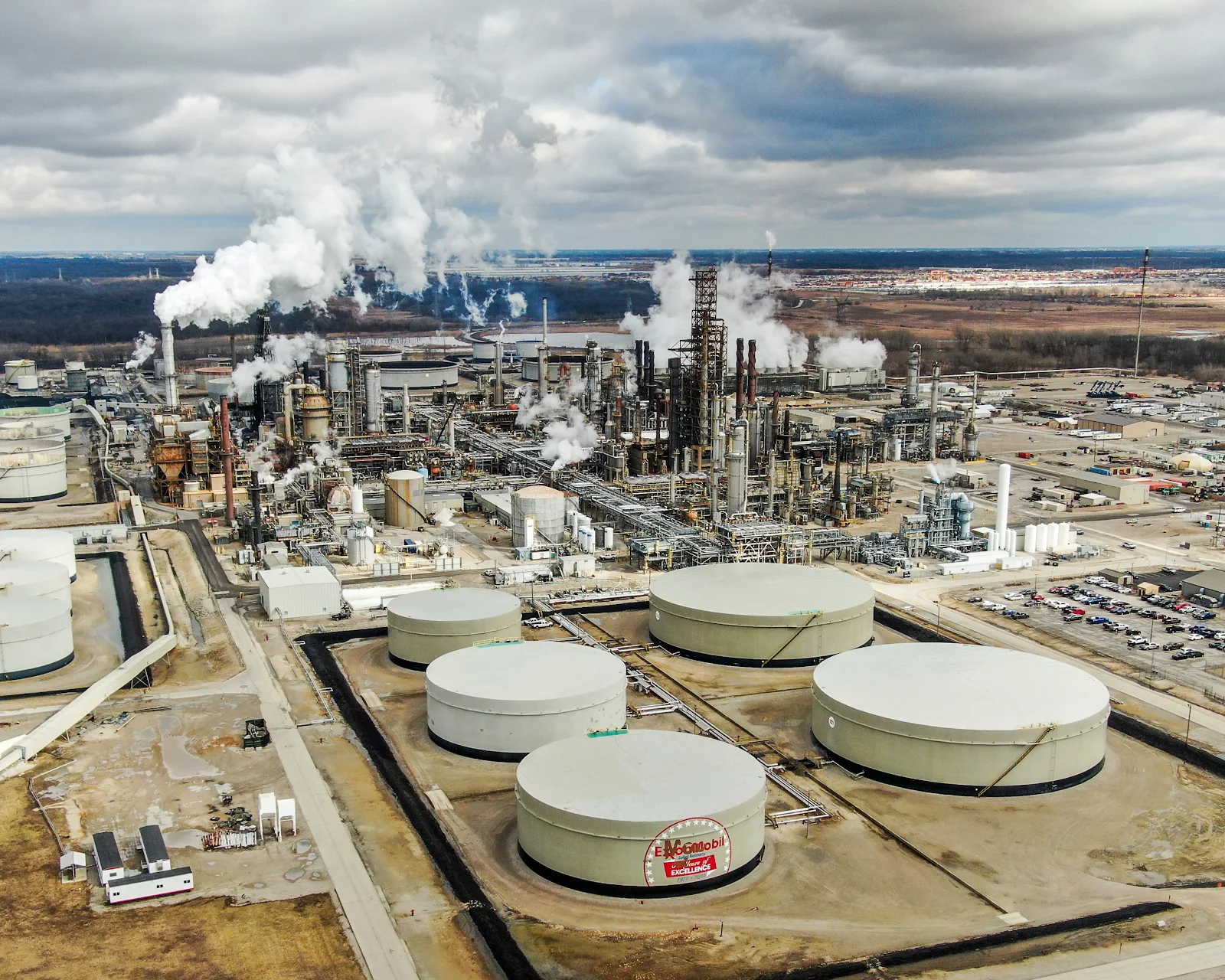
The International Energy Agency (IEA) has taken unprecedented action to stabilize the global oil market, unanimously agreeing to release approximately 400 million barrels of emergency crude reserves. This historic move, as reported by The Guardian, is the largest release of government oil reserves in the IEA's history, aiming to mitigate the oil price shock triggered by the US-Israeli attacks on Iran.
The world's energy watchdog, established after the Middle East oil crisis in the 1970s, has 32 member countries that have pledged to hold at least 90 days' worth of crude supplies in reserve. The IEA's executive director, Fatih Birol, emphasized the need for a global response to major disruptions, stating that energy security is the founding mandate of the IEA.
The emergency intervention far surpasses the 2022 release of 182 million barrels of oil by IEA countries after Russia's invasion of Ukraine. The released oil will be made available to the global market, which has lost about 15 million barrels of crude per day due to the blockage of trade via the Strait of Hormuz.
Country-Specific Commitments
The UK has pledged to release 13.5 million barrels from its emergency stocks, which are held in refineries, oil terminals, power stations, and offshore fields in the North Sea. Japan's Prime Minister, Sanae Takaichi, announced that her country would release about 80 million barrels from its private and national oil reserves starting from March 18.
Neighboring South Korea will release 22.46 million barrels, while Germany's Economy Minister, Katherina Reiche, confirmed that the German government would release the equivalent of 19.51 million barrels. Reiche emphasized Germany's commitment to the IEA's principle of mutual solidarity.
The historic market intervention is expected to deliver the equivalent of about 26 days of crude typically transported via the Strait of Hormuz, where movements have come to a halt due to the threat of attack from Tehran. At least 13 commercial vessels have come under attack in the region since the war began.
Global Market Implications
Although no G7 countries have faced physical shortages of oil since the war began, the price of Brent crude has fluctuated wildly, briefly jumping to $119.50 a barrel on Monday. The proposed 400 million-barrel release is equivalent to about four days of global production and 16 days of the volume of crude that transits through the Gulf, according to Macquarie analysts.
The price of Brent crude rose nearly 4% to just over $91 a barrel on Wednesday, suggesting investors remain concerned about future supplies. The IEA's move is seen as a decisive action to calm the global oil market and prevent further price volatility.
Energy Security and Solidarity
The IEA's decision highlights the importance of energy security and solidarity among its member countries. The release of emergency oil reserves demonstrates the commitment of IEA members to work together to address global energy challenges and ensure a stable supply of oil to the market.
As the global energy landscape continues to evolve, the IEA's actions will be closely watched by investors, policymakers, and consumers alike. The agency's ability to respond to major disruptions and maintain energy security will be crucial in navigating the complexities of the global oil market.
