

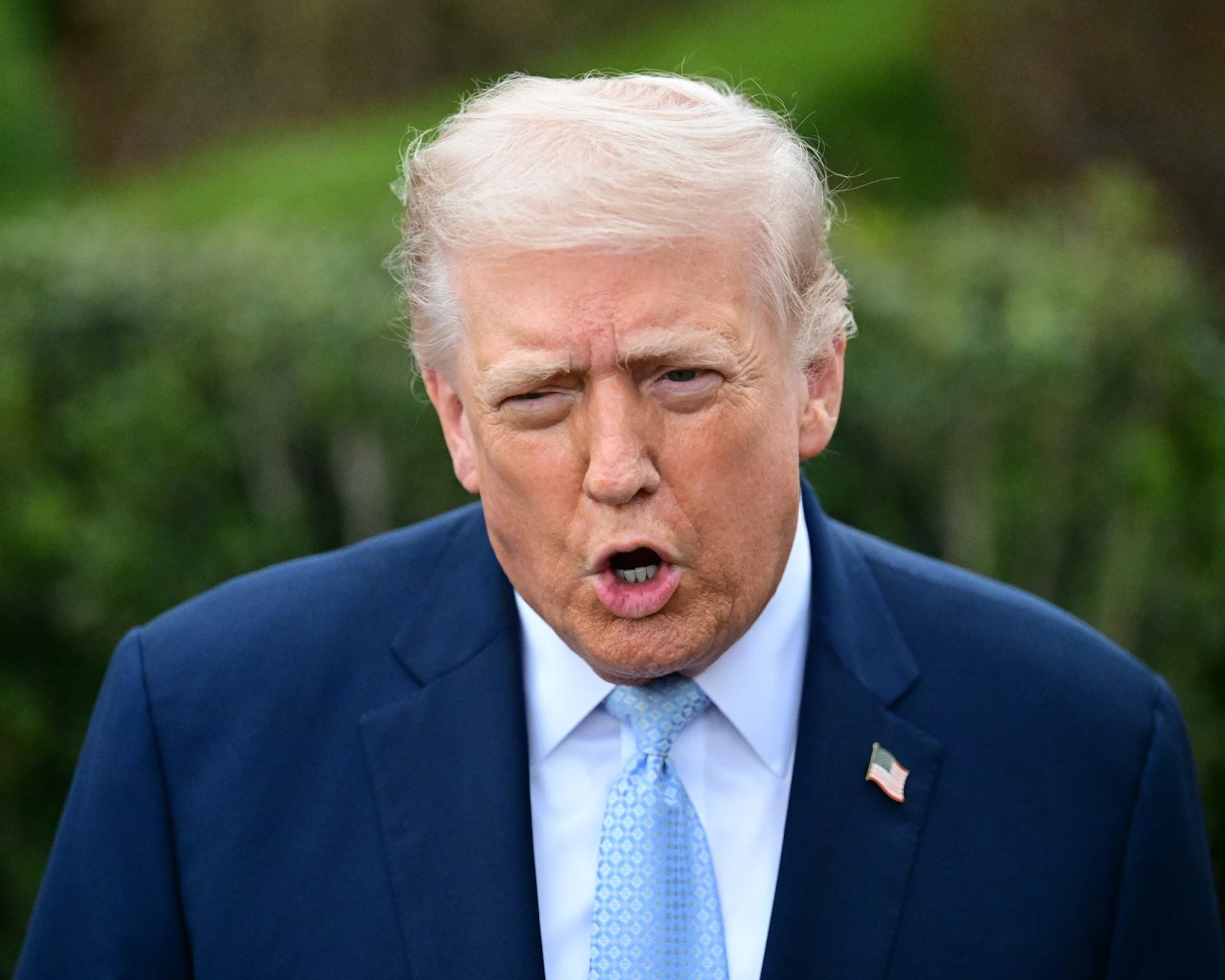
The global economy has been on edge in recent days, with the threat of US strikes on Iranian power plants looming large. However, in a surprise move, US President Donald Trump announced on Monday that he would be postponing any military action for a five-day period, citing "very good and productive conversations" with Iranian officials.
This development has sent shockwaves through the financial markets, with European shares rising and oil prices falling. The French Cac 40, the Spanish Ibex, and the German Dax all saw gains, with the FTSE 100 share index initially rising before closing down 0.2%. US markets also saw gains, with the Dow Jones and S&P 500 both up over 1% in early afternoon trading.
According to Trump, the US and Iran have been engaged in constructive conversations regarding a "complete and total resolution of our hostilities in the Middle East". As a result, he has instructed the Department of War to postpone any military strikes against Iranian power plants and energy infrastructure for a five-day period, subject to the success of ongoing meetings and discussions.
Market Reaction
The news has been met with a mixture of relief and caution by investors. Oil prices, which had been rising in anticipation of a US strike, fell sharply, with Brent crude dropping 10% to $101 a barrel. The UK month-ahead gas prices also fell 6% to 142p a therm. The US dollar, which typically attracts investors during times of volatility, slipped 0.4% against a basket of other leading currencies.
Shares in oil companies such as BP and Shell fell more than 3% on Monday, while the price of gold also slid, falling 2.5% to $4,388 an ounce. Elevated energy prices have been a major concern for investors, with Goldman Sachs forecasting that Brent crude will average $85 a barrel this year, up from previous expectations of $77 a barrel.
Global Energy Crisis
The global energy crisis, triggered by Iranian attacks on the strait of Hormuz, has been equivalent to the combined force of the twin oil shock of the 1970s and the fallout of Russia's invasion of Ukraine, according to Fatih Birol, the head of the International Energy Agency. The crisis has led to a surge in oil prices, with Brent crude hitting $119.50 a barrel earlier this month, the highest since the war began.
The conflict in Iran has also ramped up pressure on UK leaders to announce a support package to help people with their energy bills, which are expected to rise by 20% when an existing price cap covering gas and electricity expires at the end of June. UK Prime Minister Keir Starmer was set to hold an emergency Cobra meeting with his top ministers and the Bank of England governor, Andrew Bailey, to discuss the economic impact of the crisis and energy security.
Economic Impact
The economic impact of the crisis is being felt globally, with the US dollar and oil prices being closely watched by investors. The 10-year-yield, which is the benchmark for Britain's borrowing costs, fell three basis points to 4.95, after hitting 5% last week for the first time since the 2008 financial crisis. As the situation continues to unfold, investors will be closely monitoring the developments and their potential impact on the global economy.
According to The Guardian, the crisis has sparked a global energy crisis, with far-reaching implications for the global economy. As the situation continues to evolve, it remains to be seen how the global economy will be impacted and what measures will be taken to mitigate the effects of the crisis.
