

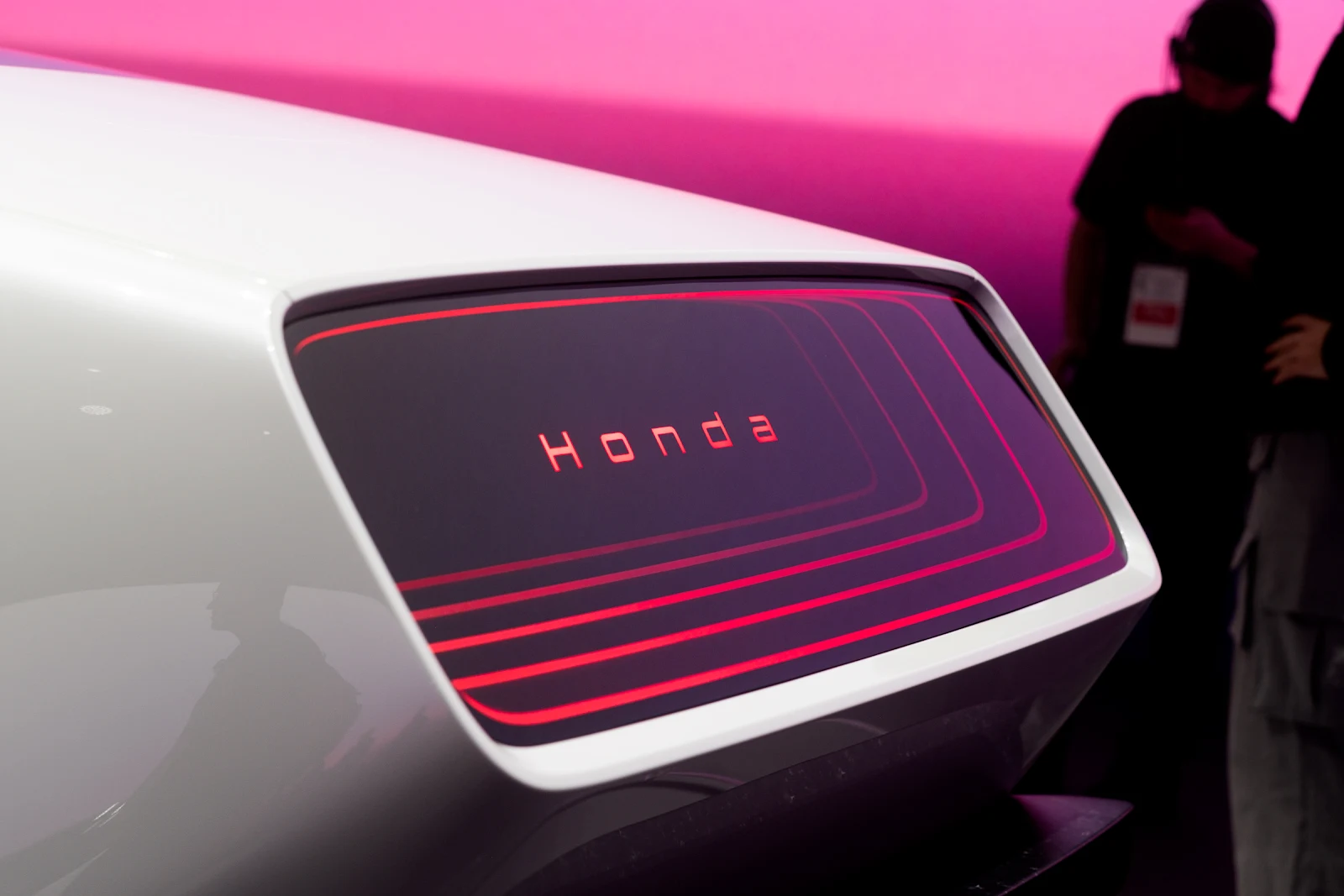
Honda has halted development of its electric Acura RDX and Honda e sedan and SUV, citing U.S. tariffs and Chinese competition as key factors.
The decision marks a significant shift for the legacy automaker, which had previously announced plans to launch several EV models. Honda will also stop production of the Prologue, a vehicle designed and built by GM, according to a report by Automotive News.
By abandoning its EV plans, Honda risks falling behind in the transition to electric drivetrains and software-defined vehicles, two key trends shaping the automotive industry.
The Funding Context
Honda's decision comes as the company faces significant financial headwinds, including a nearly $16 billion loss last year. The company cited declining competitiveness in China, where it struggled to deliver products that offer value for money compared to newer EV manufacturers.
Honda's lack of a viable EV strategy has been a major concern for the company, which has traditionally focused on internal combustion engines. The company's failure to adapt to changing market trends may have long-term consequences for its competitiveness.
Market Implications
Honda's decision to abandon its EV plans may have significant implications for the company's market position. As Chinese automakers continue to gain traction in the EV market, Honda risks being left behind. The company's reliance on traditional internal combustion engines may become increasingly outdated as consumers increasingly demand more sustainable and technologically advanced vehicles.
Competitive Landscape
Honda's competitors, such as Ford, have already made significant investments in EV technology. The Mustang Mach E, for example, has been a sales success, although not a financial one. Ford CEO Jim Farley has acknowledged that the company's legacy engineering decisions have held back the product's development.
Honda's failure to invest in EV technology may ultimately harm its ability to compete in the market. As the automotive industry continues to evolve, companies that fail to adapt to changing trends risk being left behind.
