

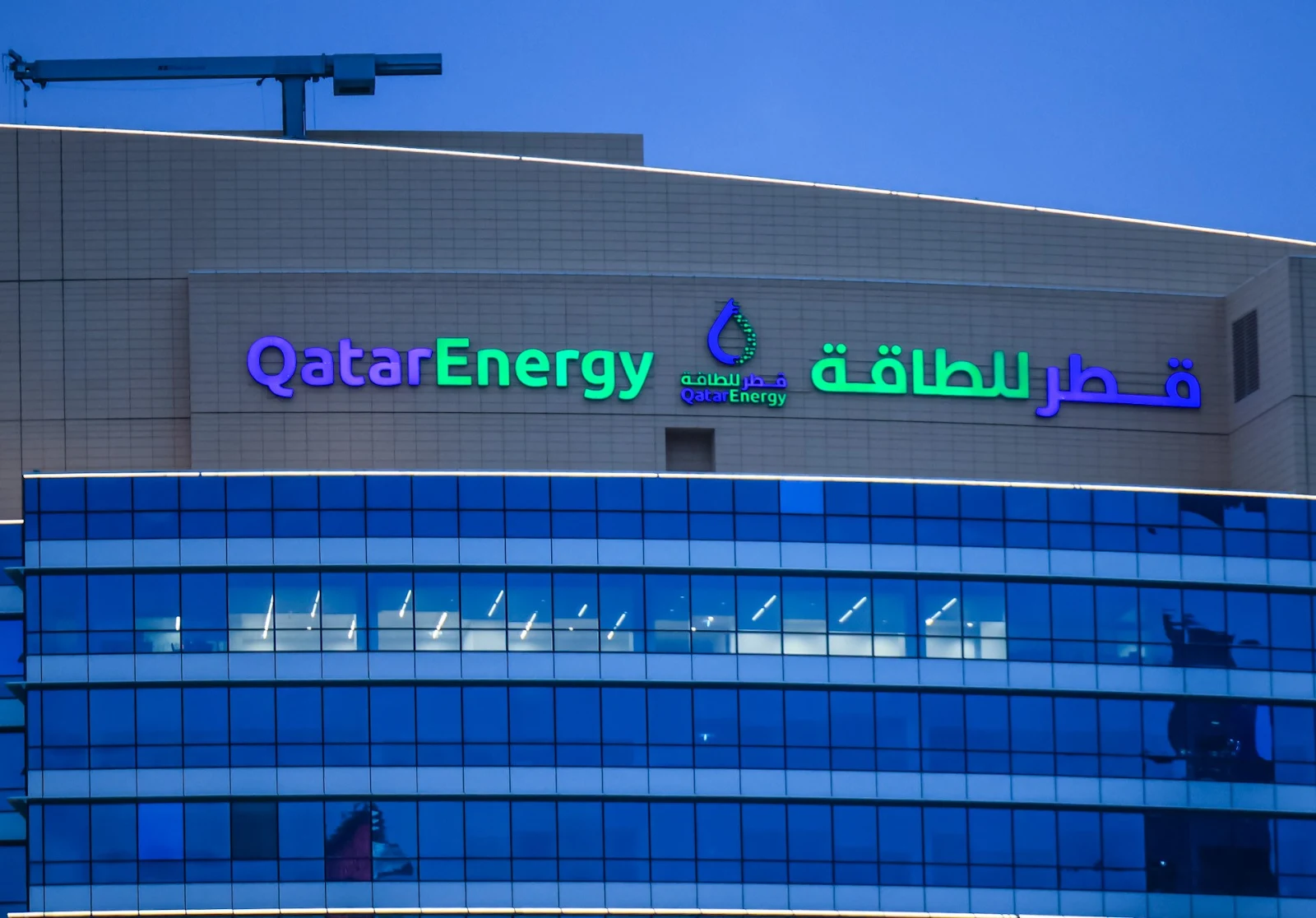
Iran's recent attacks on Qatar have damaged two of the country's 14 liquefied natural gas (LNG) trains and one gas-to-liquids facility, according to QatarEnergy's CEO Saad al-Kaabi.
The attacks, which occurred this week, have resulted in an estimated $20bn in lost annual revenue and threaten supplies to Europe and Asia, al-Kaabi told Reuters. The damaged units cost about $26bn to build.
Repairs to the damaged facilities will sideline 12.8 million tonnes of LNG production per year for three to five years, al-Kaabi said, adding that QatarEnergy may have to declare force majeure on long-term contracts for up to five years.
Regional Context
The attacks are part of a broader escalation in the region, which began on February 28 with the United States-Israeli war on Iran. Iran has been firing missiles and drones across the Middle East in response, including a series of attacks on oil and gas facilities across the Gulf region.
Iranian Foreign Minister Abbas Araghchi said on Thursday that his country would show "ZERO restraint" if its infrastructure is struck again. "Our response to Israel's attack on our infrastructure employed FRACTION of our power," Araghchi wrote on X.
Al-Kaabi expressed surprise at the attacks, saying "I never in my wildest dreams would have thought that Qatar would be – Qatar and the region – in such an attack, especially from a brotherly Muslim country in the month of Ramadan, attacking us in this way."
International Response
The attacks have heightened tensions with Iran's Arab Gulf neighbours, who have condemned the strikes as a violation of international law. The damaged facilities are a critical part of the global energy supply chain, with about one-fifth of the world's oil and LNG supplies transiting through the Strait of Hormuz.
Al-Kaabi called for an end to hostilities, saying "For production to restart, first we need hostilities to cease." He also warned that the scale of the damage from the attacks has set the region back 10 to 20 years.
Source: Reuters
