

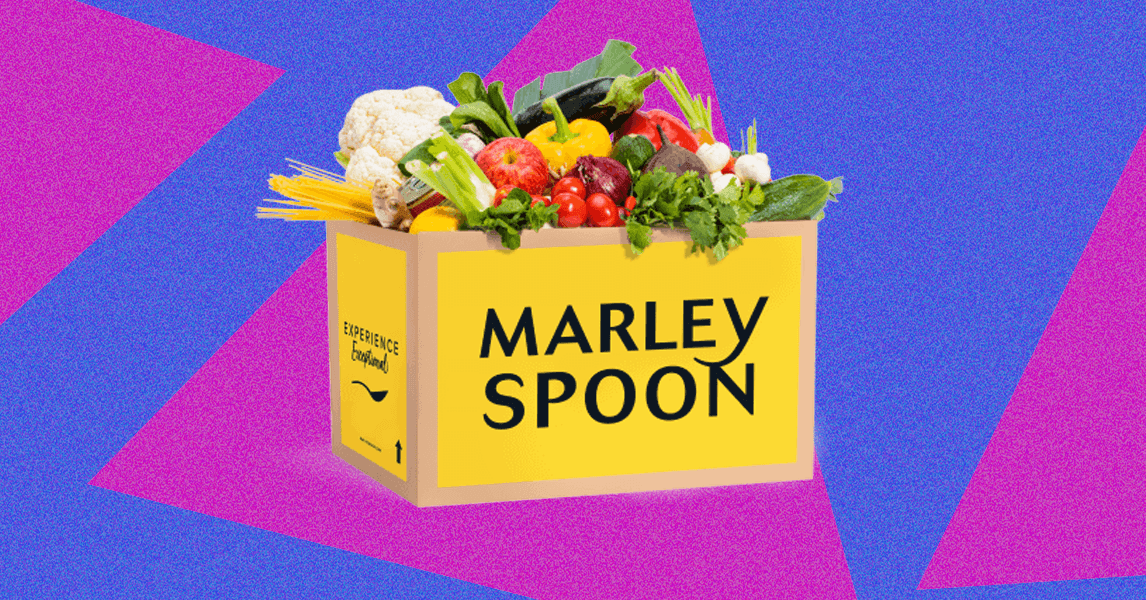
Marley Spoon, once synonymous with Martha Stewart's cooking techniques and style, has undergone a significant transformation. The meal kit service has shifted its focus from high-quality, technique-driven recipes to easier, more convenient options, including 15-minute express meals and ready-to-heat dishes.
This change is reflected in the company's updated menu, which now features a wide range of international dishes, from Moroccan tagine to Korean bibimbap. While the new options are a welcome addition, they often come at the cost of technique and flavor, with some recipes feeling like simplified versions of their original counterparts.
Inside the Platform
Marley Spoon's platform has also undergone changes, with a more streamlined ordering process and increased customization options. Customers can now choose from nearly 100 recipes and 50 ready-to-heat prepared meals, with the ability to swap out proteins and ingredients to suit their tastes.
However, the company's packaging and logistics have not kept pace with these changes. Ingredients are often packaged in a way that makes them difficult to identify and prepare, with small print and numerous packets requiring scissors or knives to open.
The Infrastructure Question
Marley Spoon's decision to focus on ease and convenience raises questions about the company's infrastructure and ability to scale. With a wider range of options and a greater emphasis on speed, the company may face challenges in maintaining quality control and ensuring that its recipes are consistently delicious.
Despite these challenges, Marley Spoon remains a strong competitor in the meal kit market, with prices that are among the lowest in the premium segment. The company's commitment to good cooking and recipe development is still evident, even if its focus has shifted towards easier, more convenient options.
Regulatory Pressure Builds
As the meal kit market continues to evolve, companies like Marley Spoon will face increasing regulatory pressure to ensure that their products are safe, sustainable, and transparent. This may require significant investments in infrastructure and logistics, as well as changes to packaging and labeling.
For now, Marley Spoon's shift towards ease and variety is a calculated risk, one that may pay off if the company can balance convenience with quality and technique. As the market continues to shift, it will be interesting to see how Marley Spoon and its competitors adapt and evolve.
