

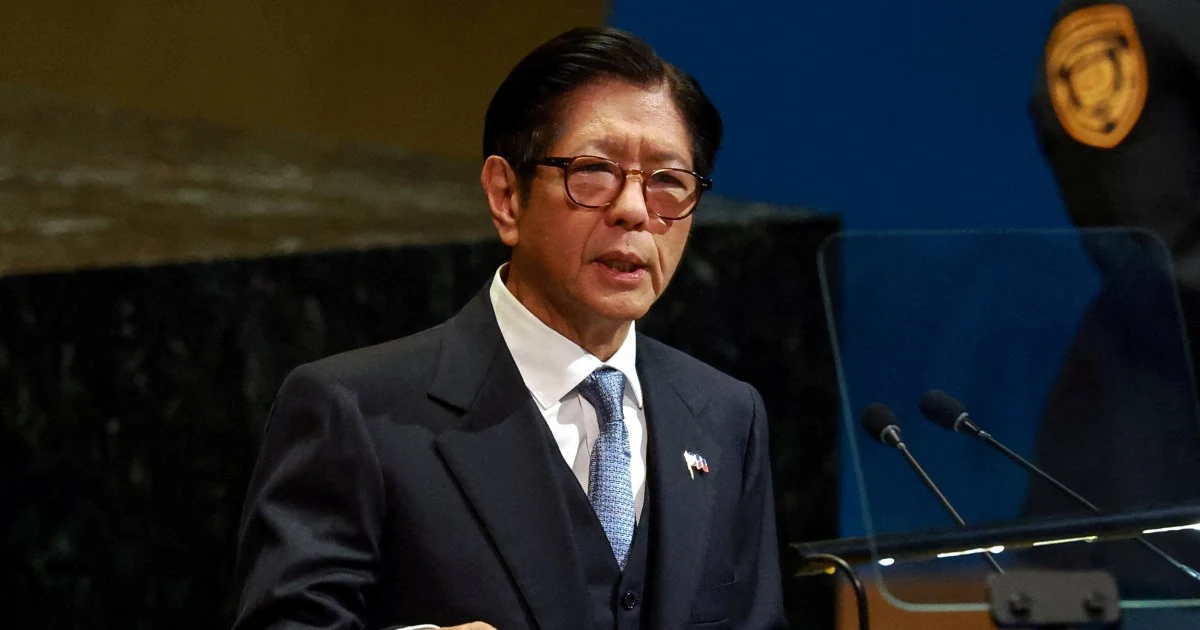
Philippine President Ferdinand Marcos Jr has declared a national energy emergency in response to the US-Israel war on Iran and its impact on the country's fuel supplies.
The declaration, which will remain in force for one year, authorises the government to procure fuel and petroleum products to ensure timely and sufficient supply and, if necessary, pay part of the contract amount in advance. Authorities are also empowered to take action against the hoarding, profiteering and manipulation of petroleum product supplies.
According to Secretary of Energy Sharon Garin, the country still has about 45 days of fuel supply, based on current consumption levels. The government is working to procure 1 million barrels of oil from countries within and outside Southeast Asia to build its buffer stock.
Government Response
The emergency declaration came as Philippine transport workers, commuters and consumer groups plan to hold a two-day strike from Thursday to protest the increase in fuel prices. Transport unions have criticised the government's response to the crisis, accusing the Marcos administration of lacking a unified and coordinated action to mitigate the fallout from the surge in oil prices.
Piston, a federation of public transport associations, described the declaration of a national energy emergency as a 'superficial band-aid that deliberately ignores the structural roots of the fuel crisis'. Renato Reyes Jr, of the progressive civil society coalition Bayan, said the declaration 'does not address the basic problem of runaway oil prices and their effects on the mass transport system and other sectors in the country'.
As part of the government's mitigation measures, students and workers in some cities are being given free access to bus rides, and the government has started to provide a 5,000 peso ($83) subsidy to motorcycle taxi drivers and other public transport workers nationwide to help them cope with soaring gasoline and diesel prices.
Source: Al Jazeera
