

**The Unyielding Spirit of Inclusivity**
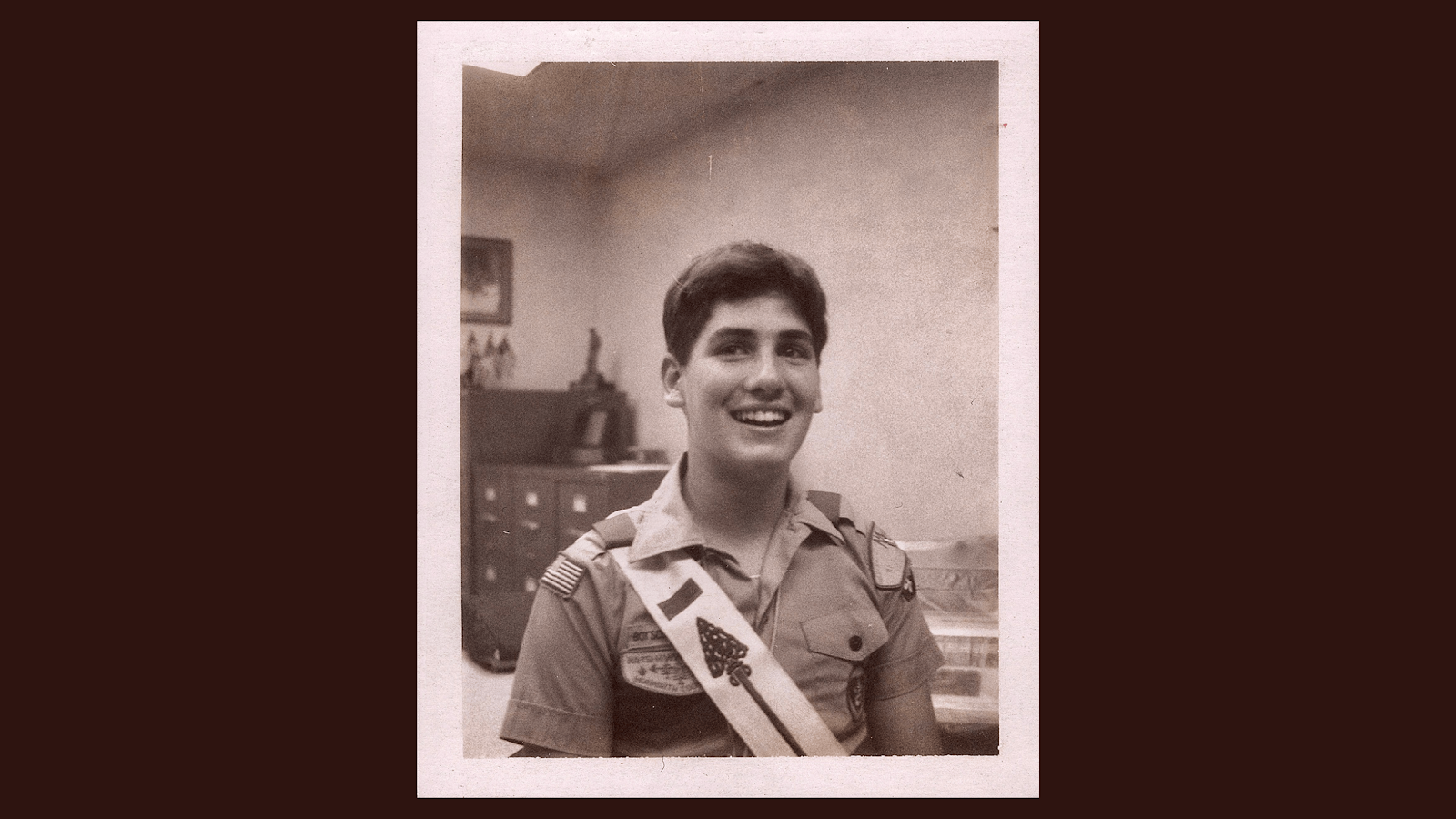
As I stepped out of the Supreme Court on June 28, 2000, I felt a deep sense of loss. The decision had just been made: the Boy Scouts of America, as a private organization, had the constitutional right to set its own membership standards, even if those standards excluded someone like me, a gay teenager who had earned my Eagle Scout rank and dedicated my youth to giving back. James Dale, that 17-year-old boy from New Jersey, had been fighting for 10 long years, only to be told that his identity was not welcome within the organization I loved. "The Boy Scouts of America should be allowed to determine for themselves who they will serve, not be forced by a court to serve a particular group," Chief Justice William Rehnquist had written for the majority.
Two and a half decades have passed since then, but the issue remains as pertinent today. The Supreme Court's ruling in _Boy Scouts of America v. Dale_ was meant to uphold the principle of private associations defining their own message without government interference. However, the federal government's recent actions under Secretary of War Pete Hegseth seem to disregard this very principle. Scouting America, formerly known as the Boy Scouts of America, is now facing threats to its military partnership and logistical support unless it changes its membership rules to exclude transgender individuals, a condition that goes against the constitutional shield granted by the Supreme Court in 2000. "We have transgender people in our program, and we'll have transgender people in our program going forward," said Roger Krone, Scouting America's president and CEO, in response to the controversy.
The federal government's actions are a far cry from the ideals of inclusivity and acceptance that the Boy Scouts of America once stood for. As Scouting America continues to welcome girls and maintains its inclusive stance, it's hard not to see the current situation as a case of déjà vu. James Dale's story is a powerful reminder that the fight for equality is ongoing, and that even the most well-intentioned institutions can be forced to confront their flaws.
"What is happening now is not a vindication of Boy Scouts of America v. Dale," James Dale said in a statement. "It's a dismissal of it." The core idea behind the Supreme Court's ruling was simple: private associations have the right to define their own message without government interference. The Court sided with the Scouts because it said the organization had a right to speak through its membership decisions without federal intervention. "I hated that ruling. I still do," Dale said. "But at least it was consistent."
However, the current situation is anything but consistent. The government's leverage over Scouting America's internal rules is a perfect example of the Doctrine of Unconstitutional Conditions, which holds that the government cannot condition a benefit on the requirement that a person or group waive a constitutional right. "The rest of us call it a shakedown," Dale said.
Despite the setbacks, Scouting America has emerged stronger and more resilient than ever. As James Dale so eloquently put it, "I have been waiting 25 years for Scouting America to get here." And because of the Supreme Court, Scouting America won't be going back.
