

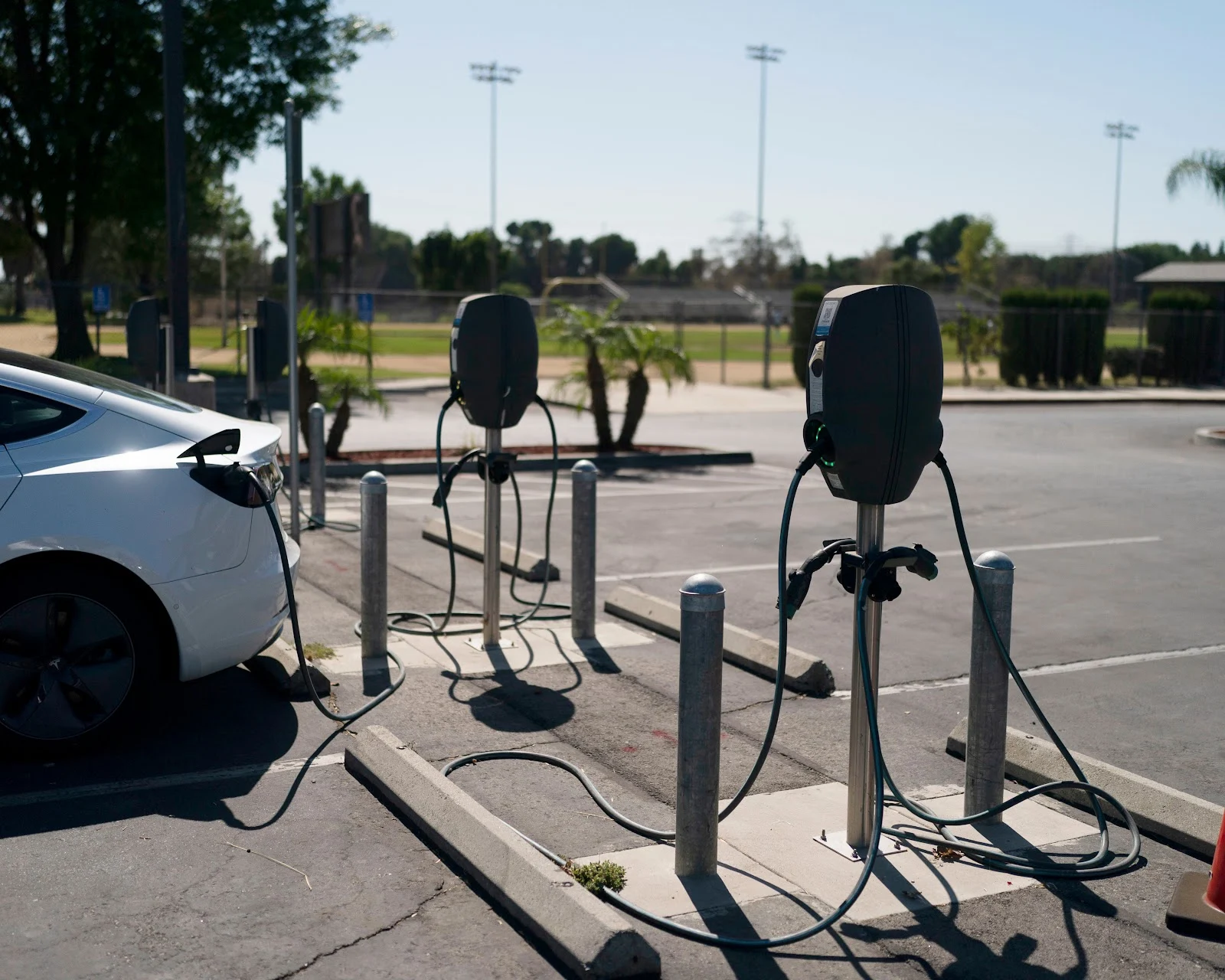
The recent surge in gasoline prices in the US, driven by the conflict with Iran, has led to a significant increase in interest in electric vehicles (EVs) among American car buyers. As reported by The Guardian, the average national price of gas has reached its highest level in nearly three years, standing at $3.90 a gallon. This has prompted many to consider alternative options, with online searches for electric and hybrid cars increasing by 20% since the start of the conflict.
According to Justin Fischer, an automotive analyst at CarEdge, the spike in interest in EVs is directly connected to the news of the war. "If we see these higher gas prices dragging on for a month or more, we will see bigger and bigger numbers," he said. Jessica Caldwell, head of insights at Edmunds, also noted that the rise in gas prices is "at the forefront of buyers' minds right now, they are thinking about how do they avoid these fluctuations."
Caldwell added that gas prices are a conversational point for many people, with EV drivers in Los Angeles happily watching others worry about the cost of fuel. However, it's currently unclear if the new interest in EVs will endure and how it will translate into market share. The US lags behind many other wealthy countries in electric car sales and charging infrastructure, with sales badly hit last year by a Republican spending bill that phased out Joe Biden-era incentives to purchase non-polluting cars.
Challenges and Opportunities
Despite the challenges, used EVs are becoming an attractive option for people on lower incomes who are most affected by the gas price increase. Used Teslas, Chevy Equinoxes, and Nissan Leafs are now becoming affordable to many Americans, with prices starting at under $25,000. "We are now in an era where there are desirable, inexpensive EVs," said Caldwell. "I expect they will be snapped up now."
Hybrid cars, such as Toyota's Camry and Rav4, are also set to do well among Americans concerned about going fully electric and being stuck without a charging point. Fischer said, "I think hybrids will jump out of the water, we will see a huge spike in sales there." However, new EVs remain expensive compared to gas cars, with EV owners a disproportionately wealthy slice of the US population.
The Trump administration has sought to further stall EV growth by halting separate fuel efficiency standards in California. Last week, amid surging gas prices, Pam Bondi, the US attorney general, said the administration is suing California over "oppressive, expensive electric vehicle mandates (that) drive up costs for American consumers and violate federal law."
Global Perspective
Electric cars are making major headway in the rest of the world, with EVs accounting for one in five new sales globally. Some countries, such as Norway, have almost eliminated the need for new gas cars, with only seven traditional petrol cars sold in January. "American automakers realize EVs are definitely the long-term strategy, but they can make a lot of money in the short term with SUVs and pick-up trucks," said Caldwell.
Don Francis, president of the EV Club of the South, said many people are still hesitant to purchase an EV due to concerns about their range. "There is interest, but people aren't being pushed over the edge yet," he said. "There may be a tipping point, though, if these gas prices remain high." Francis, who has two sons in the military, wants the US to achieve "energy independence" to avoid conflicts related to oil.
Market Trends
The US market for EVs is expected to continue growing, albeit slowly, as consumers become more aware of the benefits of electric vehicles. With the current administration's policies and the lack of incentives, the growth of the EV market may be hindered. However, as gas prices remain high, more Americans may consider alternative options, leading to an increase in demand for EVs and hybrid cars.
As the global demand for EVs continues to rise, the US may need to reassess its policies and strategies to stay competitive in the market. With many countries investing heavily in EV infrastructure and technology, the US may risk falling behind if it doesn't adapt to the changing landscape of the automotive industry.
