

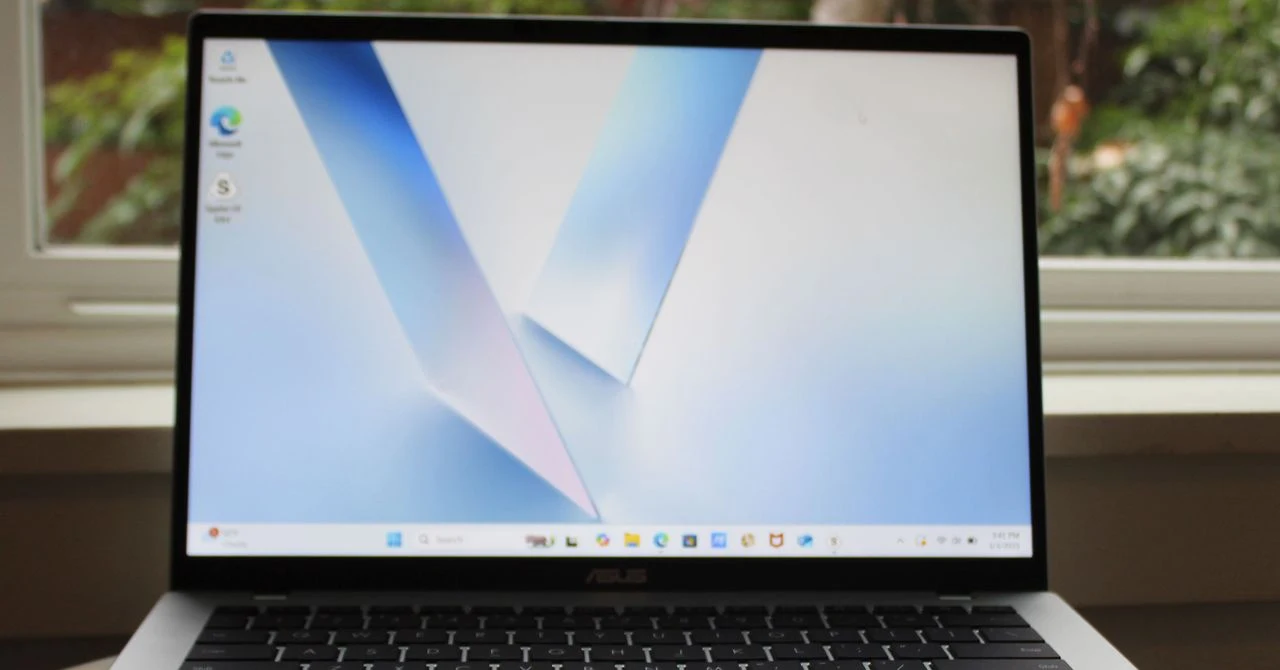
As Apple announces its new budget MacBook, priced at $599, the competition in the budget laptop market is heating up. While the MacBook Neo's specs look impressive, Windows laptops like the Asus Vivobook 14 and HP OmniBook 5 offer compelling alternatives, with advantages in areas like RAM, storage, and port selection.
The Vivobook 14, in particular, stands out with its highly-efficient ARM chip, the Qualcomm Snapdragon X, which provides great battery life and admirable performance in daily tasks. Currently on sale for $539, this configuration comes with 16 GB of RAM and 512 GB of storage, outpacing the MacBook Neo's starting configuration.
Inside the Competition
The HP OmniBook 5, another notable contender, boasts an OLED display and matches the MacBook Neo's portability, all for $500. While the MacBook Neo's display is expected to outshine its competitors, the OmniBook 5's OLED screen offers better color performance and contrast. As reported by Wired, these Windows laptops are giving the MacBook Neo a run for its money.
The Asus Vivobook 14 and HP OmniBook 5 demonstrate that Windows laptops can offer significant value in the budget market, with features like longer battery life, more storage, and a healthier mix of ports. As the laptop market continues to evolve, it's clear that the competition between Windows and macOS devices will only intensify.
The Platform Implications
The MacBook Neo's use of the A18 Pro chip, an iPhone chip, raises questions about its performance compared to the Snapdragon X chip used in the Vivobook 14 and OmniBook 5. As Apple makes impressive claims about the A18 Pro's capabilities, the actual performance will be crucial in determining the MacBook Neo's position in the market.
For those considering a Windows laptop, the Asus Vivobook 14 and HP OmniBook 5 are strong contenders, offering impressive specs and features at affordable prices. As the budget laptop landscape continues to shift, it's essential to weigh the pros and cons of each device, considering factors like display quality, battery life, and port selection.
