

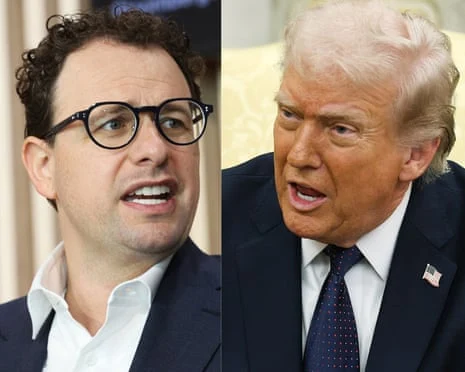
The tech industry's relationship with the military has undergone a significant transformation in recent years, with many companies now embracing partnerships with the defense sector. This shift is evident in the ongoing standoff between Anthropic and the Pentagon, which has highlighted the complexities of big tech's ties to the military. As reported by The Guardian, the feud between Anthropic and the Trump administration has escalated, with the AI firm suing the Department of Defense over its decision to blacklist it from government work.
Anthropic's refusal to remove safety guardrails from its AI model has sparked a debate about the use of AI in conflict and the ethical boundaries that companies must establish. According to Margaret Mitchell, an AI researcher and chief ethics scientist at Hugging Face, the industry is no longer divided into clear-cut "good guys" and "bad guys" when it comes to supporting war. The lines have become increasingly blurred, with many companies now willing to work with the military and develop technology for defense purposes.
The shift in big tech's attitude towards the military can be attributed to several factors, including the alignment with the Trump administration and the potential for lucrative defense contracts. The administration's vow to overhaul federal agencies using artificial intelligence has also created opportunities for AI firms to integrate their products into government and military operations. As a result, companies like Google, OpenAI, and Anthropic have signed contracts with the DoD, worth up to $200m, to provide AI technology for military systems.
From Protest to Partnership
In 2018, thousands of Google employees launched a protest against the company's involvement in Project Maven, a program that analyzed drone footage for the DoD. The protest led to Google's decision not to renew the contract, and the company published policies that barred pursuing technology that could "cause or directly facilitate injury to people." However, in recent years, Google has clamped down on employee activism, removed the language from its policies that prohibited creating technology for weaponry, and signed numerous contracts that allow militaries to use its products.
Other companies, such as Palantir and Anduril, have made partnering with the DoD a cornerstone of their businesses. Palantir's CEO, Alex Karp, has advocated for closer integration of the tech industry and AI with the US military, and the company has contracted with military intelligence to map planted explosives in Afghanistan. OpenAI, too, has signed a deal with the DoD, allowing its technology to be used in classified military systems.
Anthropic's Standoff with the Pentagon
Anthropic's co-founder and CEO, Dario Amodei, has emphasized that the AI company and the government largely want the same things. Despite the White House accusing Anthropic of being "a radical left, woke company," Amodei's views on the use of AI in conflict and fears of its misuse are far from pacifist. In a lengthy essay, he argued that companies should arm democratic governments and militaries with the most advanced AI possible to combat autocratic adversaries.
Amodei's essay also foreshadowed some of the central issues involved in his fight with the Pentagon, including the potential for AI as a tool of mass surveillance. While arguing for bulwarks against the abuse of AI, he stated that his formulation was that it was okay to use the technology for national defense "in all ways except those which would make us more like our autocratic adversaries." Anthropic's lawsuit against the DoD showcases how extensively the company has been willing to work with the military and alter its products for their use.
The Future of Big Tech's Ties to the Military
The standoff between Anthropic and the Pentagon has highlighted the complexities of big tech's ties to the military. As the industry continues to evolve, it is likely that we will see more companies embracing partnerships with the defense sector. However, this shift also raises important questions about the ethical boundaries that companies must establish and the potential risks and consequences of developing technology for military purposes.
Ultimately, the future of big tech's ties to the military will depend on the industry's ability to balance its desire for innovation and profit with its responsibility to ensure that its products are used for the greater good. As Amodei stated, "We have said to the department of war that we are OK with all use cases, basically 98 or 99% of the use cases they want to do, except for two." The question remains, what are those two exceptions, and how will the industry navigate the complex landscape of big tech's ties to the military?
