

The pursuit of a career in the arts has long been accompanied by the need for creative financing. Aspiring artists have often found themselves navigating a gap between their dreams and the economic reality of making a living. This has led to a wide range of unconventional side hustles, from shoplifting and selling rare books to performing in live sex shows and breeding Old English bobtail sheepdogs.
According to The Guardian, the great French novelist and playwright Jean Genet pioneered a special briefcase for stealing valuable books, which he would later resell after reading them. Genet's story is just one of many examples of artists who have turned to unconventional means to fund their work. As the author of a book on artists' funding methods, Mason Currey, notes, these side hustles often have a wishful, exuberant, and slightly unhinged quality to them.
Genet's briefcase trick, for instance, was not just a means to an end but also a way to indulge his love of reading. He would often steal books from bookstores, read them, and then resell them to fund his own writing. This approach to funding his art was not unique to Genet. The young Jean-Luc Godard, for example, funded his early days as a film critic and aspiring filmmaker by stealing and reselling valuable first edition books from his grandfather's Paris apartment.
Artistic Expression and Economic Reality
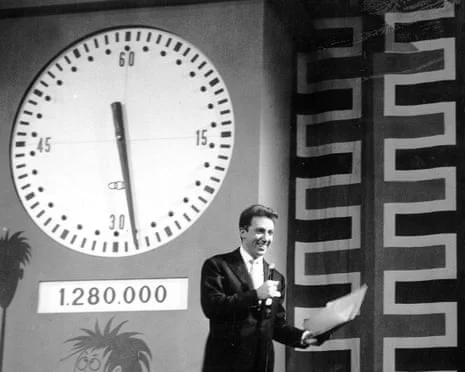
The need for side hustles is not limited to writers and filmmakers. Many artists have had to find creative ways to fund their work, from modeling nude and breeding animals to working in cafes and construction sites. The American avant-garde composer John Cage, for instance, turned his hobby of mushroom foraging into a profitable venture by appearing on an Italian TV game show and answering questions about his beloved fungi.
Cage's story is a testament to the resourcefulness of artists in the face of economic uncertainty. His win on the game show allowed him to buy a Steinway piano for himself and a Volkswagen campervan for his partner Merce Cunningham's dance company. This unexpected windfall was a welcome respite from the financial struggles that many artists face, and it allowed Cage to focus on his music and other creative pursuits.
Not all side hustles have been as successful or as straightforward. The young abstract-expressionist painter Grace Hartigan, for example, worked temp jobs and recorded her deep discouragement in her journal. Her experiences are a reminder that even the most talented artists can struggle to make a living from their work, and that side hustles can be a necessary evil.
Lessons from the Past
So what can today's underfunded artists learn from the side hustles of earlier eras? For one thing, they are in good company. Many brilliant and groundbreaking artists barely drew any income from their work, especially when they were starting out. The way they paid for life along the way may have exerted a subtle influence on their creativity, or at least exercised some of the same muscles they were later to flex at their studios, workshops, or desks.
It is not difficult to imagine a connection between Genet's love of shoplifting and his transgressive fiction, or between Cage's charisma on Italian TV and his ability to earn a living lecturing about his ideas. These stories remind us that being an artist is not just about making the novel, painting, opera, or whatever. It is also about getting yourself into the position from which you can make the thing, acquiring the life experience and emotional maturity to create original work.
In the end, being an artist is not primarily about talent, inspiration, or having the best idea. It's about bringing something to life with the time and resources you do have, however imperfect and finite they may be. This is a lesson that we can all learn from, whether we're trying to realize an artistic masterpiece or simply bake a perfectly unprofitable sourdough loaf.
Making Art and Making a Living: Adventures in Funding a Creative Life by Mason Currey is a testament to the resourcefulness and creativity of artists in the face of economic uncertainty. The book is a reminder that the pursuit of a career in the arts is often accompanied by the need for creative financing, and that the stories of artists who have come before us can provide valuable lessons for those who are just starting out.
