**The War in Iran: A Shifting Battlefield**
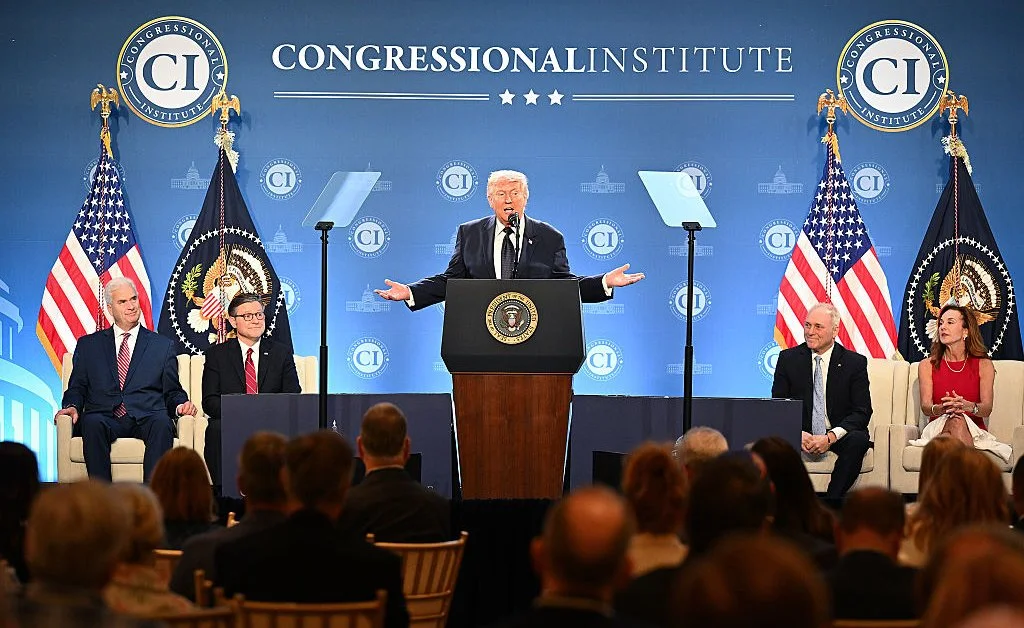
As President Donald Trump spoke to a crowd of Republican lawmakers in Florida on Monday, he declared that the war with Iran is "very complete" and that American and Israeli forces have crippled much of Iran's military infrastructure. Yet, just hours earlier, he had described the war as unfinished and pledged continued military pressure.
"It's all lying at the bottom of the ocean," Trump boasted, claiming that the US had destroyed 46 Iranian ships. "Iran's drone and missile capability is being utterly demolished." But this assertion is at odds with signals from the Pentagon, which posted a message on social media declaring, "We have only just begun to fight."
As the conflict drags on, Trump's statements have been marked by shifting tone and explanation. Initially, the Administration cited Iran's nuclear ambitions and the need to protect American troops and allies in the region. Later, secretary of state Marco Rubio suggested that Israel was preparing to strike, possibly triggering retaliation against US forces. Trump quickly rejected this framing, claiming that Iran itself was preparing to strike first and that he might have forced Israel's hand.
The war has already taken a deadly toll, with roughly 1,300 people killed in strikes inside Iran and thousands more displaced across the region. As the humanitarian and economic crisis deepens, Trump remains optimistic, predicting that the war will be finished "pretty quickly" and that the US will emerge with a "much safer world."
**Mixed Signals from the President**
Trump's comments underscore the uncertainty surrounding a conflict that has expanded rapidly across the Middle East and raised fears in Washington that it could deepen into a longer and deadlier war. In the phone interview with CBS News, Trump portrayed the war as nearly finished, arguing that Iran's military capabilities had been largely destroyed after a wave of strikes by the US and Israel.
"I think the war is very complete, pretty much," Trump said. "If you look, they have nothing left. There's nothing left in a military sense." But hours later, speaking to Republican lawmakers, Trump struck a very different tone, describing the war as unfinished and pledging continued military pressure.
"We've already won in many ways, but we haven't won enough," Trump told the crowd, which responded with applause. "We go forward more determined than ever to achieve ultimate victory that will end this long-running danger once and for all." The conflicting messages raise questions about the President's strategy and the Administration's commitment to a clear and achievable objective.
**The Broader Shift**
The war in Iran is part of a larger shift in the regional balance of power. The conflict has pitted the US against Iran, with Israel playing a significant role in the campaign. The war has already produced a humanitarian and economic toll, with thousands of civilians displaced and scores of people killed.
As the conflict drags on, the US and its allies are facing growing pressure to define their goals and the expected duration of the war. Secretary of State Marco Rubio has suggested that the US moved in part because Israel was preparing its own attack and might have triggered retaliation against American forces. Trump later rejected this framing, claiming that Iran itself was preparing to strike first and that he might have forced Israel's hand.
**Inside the Community**
The war in Iran has sparked a fierce debate within the US military and among policymakers. Some have argued that the conflict is part of a broader struggle against Iranian aggression, while others have suggested that the US should focus on containing Iran's nuclear ambitions.
The Pentagon's message on social media, declaring that "We have only just begun to fight," reflects a sense of uncertainty and caution among US officials. The message has been seen as a recognition that the war is unlikely to be finished quickly and that the US may face a prolonged and difficult conflict.
**A Changing Landscape**
As the war in Iran drags on, the regional landscape is shifting rapidly. The conflict has produced a humanitarian and economic crisis, with thousands of civilians displaced and scores of people killed. The US and its allies are facing growing pressure to define their goals and the expected duration of the war.
As President Trump predicted, the war is expected to have a lasting impact on the region. The conflict has already produced a significant shift in the balance of power, with the US and its allies facing growing challenges from Iran and its proxies.
**The Policy Debate**
The war in Iran has sparked a fierce debate among policymakers and military leaders. Some have argued that the conflict is necessary to contain Iranian aggression, while others have suggested that the US should focus on containing Iran's nuclear ambitions.
The Administration's shifting explanations for the war have raised questions about the President's strategy and the commitment to a clear and achievable objective. As the conflict drags on, the US and its allies are facing growing pressure to define their goals and the expected duration of the war.
**What Comes Next**
As the war in Iran continues to unfold, the US and its allies are facing growing challenges and uncertainties. The conflict has already produced a significant shift in the balance of power, with the US and its allies facing growing challenges from Iran and its proxies.
The Administration's mixed signals and shifting explanations have raised questions about the President's strategy and the commitment to a clear and achievable objective. As the conflict drags on, the US and its allies are facing growing pressure to define their goals and the expected duration of the war.
{
"new_title": "The War in Iran: Shifting Battlefield",
"new_content":
As President Donald Trump spoke to a crowd of Republican lawmakers in Florida on Monday, he declared that the war with Iran is "very complete" and that American and Israeli forces have crippled much of Iran's military infrastructure.
Yet, just hours earlier, he had described the war as unfinished and pledged continued military pressure.
"It's all lying at the bottom of the ocean," Trump boasted, claiming that the US had destroyed 46 Iranian ships. "Iran's drone and missile capability is being utterly demolished."
But this assertion is at odds with signals from the Pentagon, which posted a message on social media declaring, "We have only just begun to fight."
The Broader Shift
The war in Iran is part of a larger shift in the regional balance of power.
The conflict has pitted the US against Iran, with Israel playing a significant role in the campaign.
The war has already produced a humanitarian and economic toll, with thousands of civilians displaced and scores of people killed.
Inside the Community
The war in Iran has sparked a fierce debate within the US military and among policymakers.
Some have argued that the conflict is part of a broader struggle against Iranian aggression, while others have suggested that the US should focus on containing Iran's nuclear ambitions.
A Changing Landscape
As the war in Iran drags on, the regional landscape is shifting rapidly.
The conflict has produced a humanitarian and economic crisis, with thousands of civilians displaced and scores of people killed.
The US and its allies are facing growing pressure to define their goals and the expected duration of the war.
What Comes Next
As the war in Iran continues to unfold, the US and its allies are facing growing challenges and uncertainties.
The conflict has already produced a significant shift in the balance of power, with the US and its allies facing growing challenges from Iran and its proxies.
The Administration's mixed signals and shifting explanations have raised questions about the President's strategy and the commitment to a clear and achievable objective.