

On a typical weekday morning, President Donald Trump spends his free time at his golf club in Doral, Florida. This Monday, however, he took to the phone to talk to CBS News about a conflict that's been dominating headlines around the world – the war with Iran. As he fielded questions from the news team, Trump revealed a paradoxical sentiment that will likely leave his advisors scratching their heads. "I think the war is very complete, pretty much," the President said with conviction.
The Battle for Tehran's Leadership
As Trump downplayed the ongoing conflict, he simultaneously vowed that the United States would press forward until Iran's leadership was decisively defeated. The mixed signals from the President underscore the uncertain trajectory of a conflict that has expanded rapidly across the Middle East, raising fears in Washington that it could deepen into a longer and deadlier war.
The war began days ago with a wave of strikes by the United States and Israel, which Iran has claimed has caused widespread devastation and loss of life. According to the Iranian Red Crescent Society, approximately 1,300 people have been killed in strikes inside the country, while Iranian attacks across the Middle East have killed more than 30 people.
Uncertainty from the Pentagon
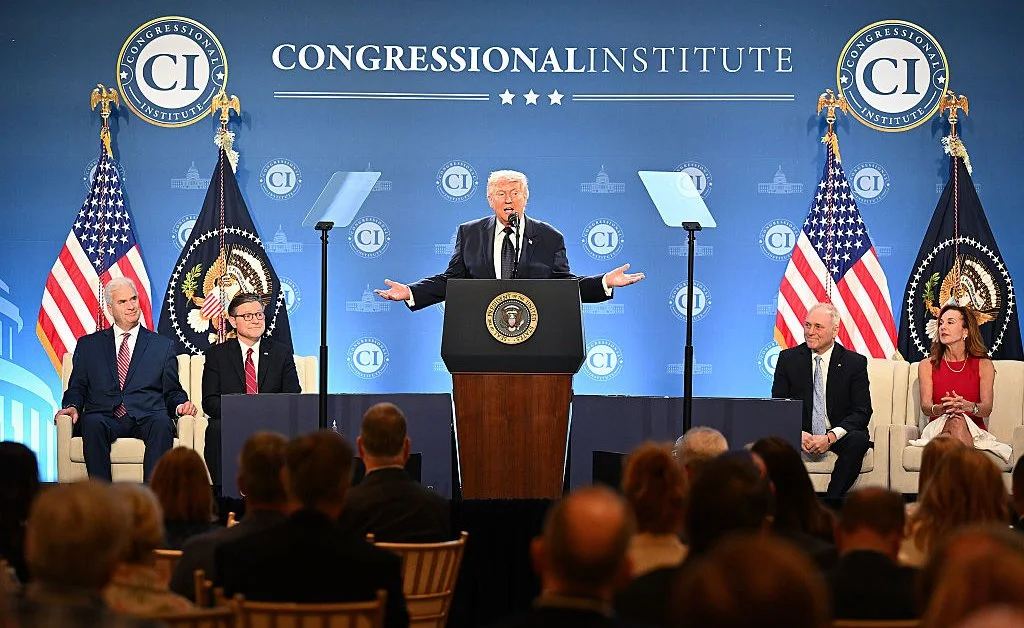
Hours after Trump's phone interview with CBS News, he addressed Republican lawmakers in Florida, painting a contrasting picture of the war as unfinished and pledging continued military pressure. "We've already won in many ways, but we haven't won enough," Trump told the crowd, which responded with applause.
His words stood in stark contrast to the signal from the Pentagon, which posted a message on social media declaring, "We have only just begun to fight." The conflicting messages from the Administration reflect an internal struggle to define both the goals and the expected duration of the war, which has produced a widening humanitarian and economic toll across the region.
Rubio and the Original Justification
Secretary of State Marco Rubio initially suggested that the United States moved in part because Israel was preparing its own attack and might have triggered retaliation against American forces. Trump later rejected that framing, stating he believed Iran itself was preparing to strike first and that he might have "forced Israel's hand." This shifting narrative has muddled the public's understanding of the initial strikes and the expected outcome of the conflict.
As the world waits with bated breath for the outcome of the war, one thing is clear: the President's actions have set off a chain reaction that will likely have far-reaching consequences for the region and beyond.
A Broader Humanitarian Crisis
The humanitarian toll of the conflict has been devastating, with nearly 500 people killed in Israeli strikes in Lebanon, according to the Lebanese officials, and hundreds of thousands of civilians displaced. The war has also sparked a regional economic crisis, with trade and commerce grinding to a halt as countries around the world watch with growing unease.
Amidst the chaos, Trump remains resolute in his stance that the war will be "finished pretty quickly." While the world waits with bated breath for that outcome, one thing is clear: the trajectory of this conflict will have a lasting impact on the global community for years to come.
As the war rages on, one thing remains certain – the world will be watching for the next move from the President and the Administration. The outcome of this conflict will have far-reaching consequences for the region and beyond, shaping the course of global politics for years to come.
