

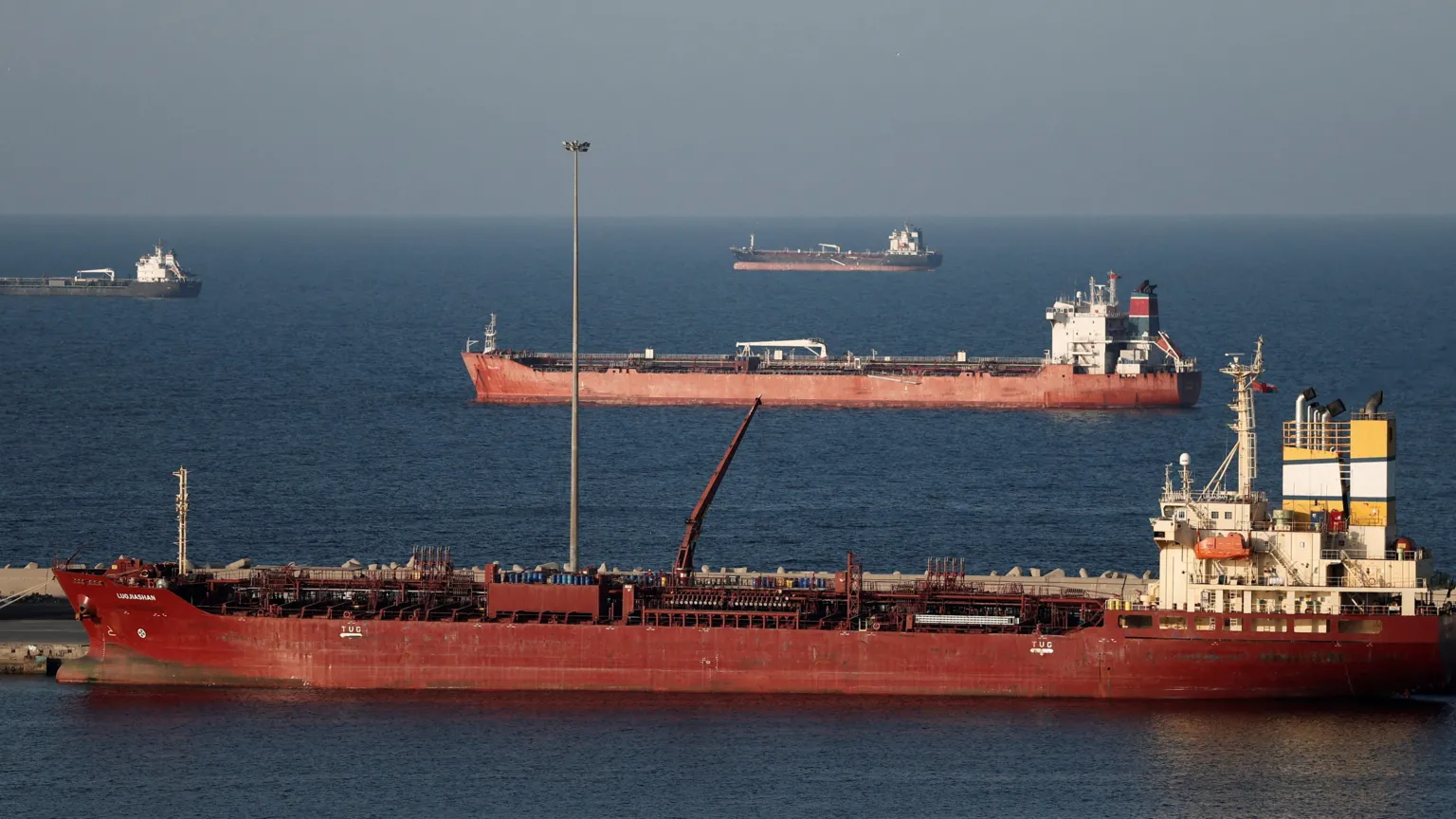
The UK is examining various options to secure key oil shipping routes through the Strait of Hormuz, according to Energy Secretary Ed Miliband.
This development comes after US President Donald Trump threatened to open the channel and urged countries, including the UK, China, and France, to send warships to the waterway, as reported by the BBC.
Miliband emphasized the importance of making the strait safe for shipping, but declined to provide details on the options being considered by the government.
Strait of Hormuz Blockage
Iran's effective blockage of the strait has significantly impacted global supply chains and energy prices, with oil prices soaring since the war began on 28 February.
Iran's new Supreme Leader, Mojtaba Khamenei, stated that Iran will continue blocking the strait as a means of political and economic pressure against the US.
UK Response
Miliband said it was a priority for the strait to be reopened and that there were different ways the UK could contribute, including with mine-hunting drones.
Shadow energy secretary Claire Coutinho suggested the UK should explore sending ships or drones to the Middle East if it were in the national interest.
International Implications
Liberal Democrat leader Sir Ed Davey argued that the UK should not send ships to help secure the strait and instead focus on de-escalating the war.
Sir Ed criticized Trump's actions as reckless and stated that Britain should not be at the beck and call of an American president who does not seem to know what he is doing.
Economic Impact
The Strait of Hormuz is a key trading route for commodities such as helium, sulphate, and urea, with nearly $600bn worth of energy trade passing through it per year, according to the US Energy Information Administration.
At least 16 vessels, including tankers, have been attacked near the shipping lane during the conflict, and oil prices remain elevated.
