

The UK's Health Secretary, Wes Streeting, has stated that it is not necessary for people to privately buy a meningitis vaccine despite an ongoing outbreak in Kent.
Streeting told BBC Breakfast that while he understood why people were concerned and seeking jabs, the risk to the general public was 'low'. A targeted vaccination programme is being set up for pupils in halls of residence at the University of Kent, in Canterbury.
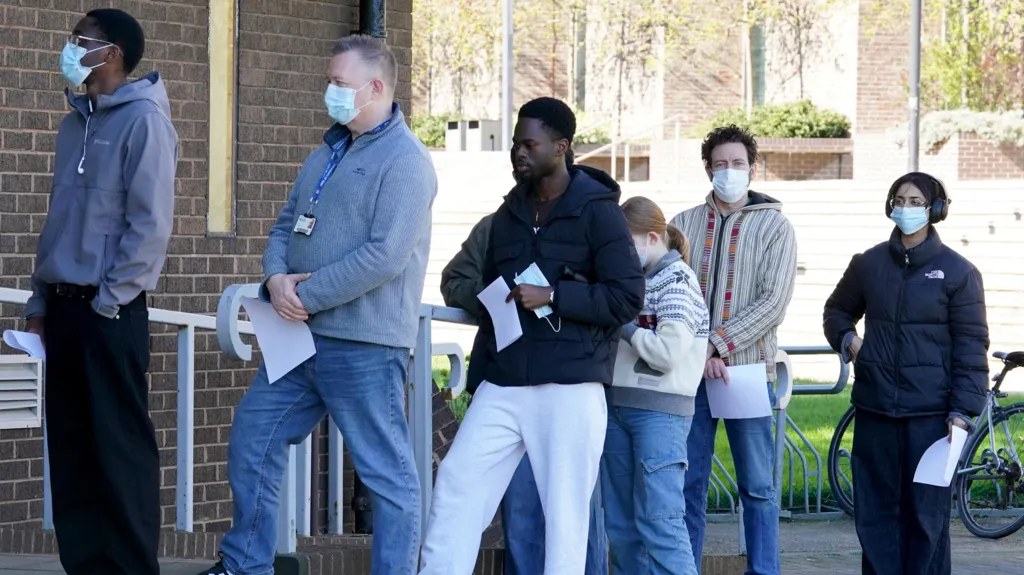
According to Streeting, about 5,000 students living in university halls in Kent are being offered the MenB jab to provide longer-term protection if the strain behind the current outbreak continues to circulate.
Outbreak Details
Five more cases were confirmed in Kent on Wednesday, taking the total number of confirmed and suspected cases to 20, with the outbreak being connected to a nightclub. Two people have died - a 21-year-old university student and sixth form pupil Juliette.
Officials believe there could be more cases yet to be found. Babies are routinely offered a vaccine against MenB, and have been since 2015, but the UK's current generation of older teenagers and university students have not, since the shot was not available when they were born.
Vaccination Programme
Streeting said some pharmacies had run out of vaccines but said there was not a concern about supply for the children and young people covered by the national vaccination programme or the current roll out of jabs in Kent. About 2,500 doses of antibiotics had been distributed through sites in Canterbury and Broadstairs.
Oliver Picard, chair of the National Pharmacy Association, told BBC Radio 5 Live that his pharmacies were getting a booking for a jab every two to three minutes with more than 100 overnight. 'It is unsustainable,' he said. 'We don't have any vaccines. We always keep a small stock which was used up very quickly.'
Public Health Response
Prof Anjan Ghosh, director of public health at Kent County Council, said it took two doses and four weeks on average for the vaccine to 'fully come into action', so it would not 'come into play to prevent' the current outbreak. He also said there was no reason to wear masks because of the type of contact which led to transmission.
Streeting said from the very first case, contacts had been traced, with antibiotics being offered to those who may have interacted with someone with the illness. 'This disease, whilst very serious, is spread through close personal contact,' he added.
