

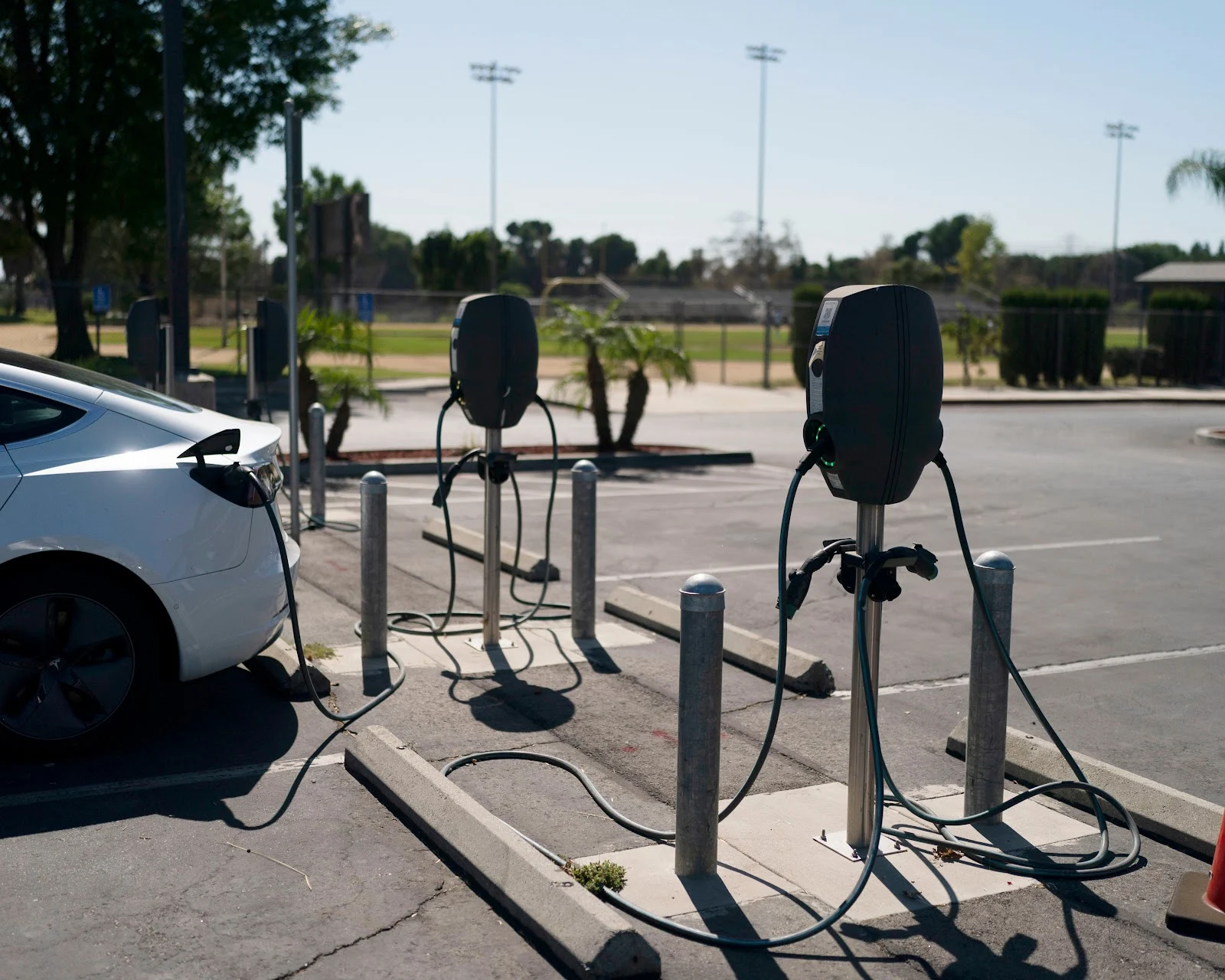
The recent surge in gas prices, driven by the ongoing conflict in Iran, has led to a significant increase in online searches for electric and hybrid cars in the US, as reported by The Guardian. According to CarEdge, a car-buying platform, searches for electric car models have risen by 20% since the start of the conflict three weeks ago.
This trend is not surprising, given that the average national price of gas in the US has reached $3.90 a gallon, the highest level in nearly three years. The rise in gas prices has been driven by the increasing global cost of oil, following the US and Israel's bombing of Iran, a major oil producer. As a result, the strait of Hormuz, a vital waterway that conveys around a fifth of the world's oil, has been shut off by Iran.
Justin Fischer, an automotive analyst at CarEdge, notes that the surge in interest in electric vehicles is directly connected to the news of the conflict. "If we see these higher gas prices dragging on for a month or more, we will see bigger and bigger numbers," he said. Jessica Caldwell, head of insights at Edmunds, also reports a jump in online research activity into EVs, as buyers look for ways to avoid the fluctuations in gas prices.
Shifting Consumer Preferences
Caldwell believes that the rise in gas prices has become a major concern for car buyers, who are now thinking about how to avoid these fluctuations. "Gas isn't something you can hide from, it's right in your face, you see the cost as you fill up each time," she added. This shift in consumer preferences is also reflected in the growing interest in used electric vehicles, which are becoming an attractive option for people on lower incomes.
According to Caldwell, used Teslas, Chevy Equinoxes, and Nissan Leafs are now becoming affordable to many Americans, with prices starting at under $25,000. "We are now in an era where there are desirable, inexpensive EVs. I expect they will be snapped up now," she said. Hybrid cars, such as Toyota's Camry and Rav4, are also expected to do well among Americans concerned about going fully electric and being stuck without a charging point.
Market Trends and Challenges
New electric vehicles remain expensive compared to gas cars, with EV owners being a disproportionately wealthy slice of the US population. Just 7.8% of all car sales last year were electric, down slightly on 2024. The Trump administration has sought to further stall EV growth by halting separate fuel efficiency standards in California, and suing the state over "oppressive, expensive electric vehicle mandates" that "drive up costs for American consumers and violate federal law".
However, electric cars are making major headway in the rest of the world, with EVs accounting for one in five new sales globally. Some countries, such as Norway, have almost eliminated the need for new gas cars, with just seven traditional petrol cars sold in January. Don Francis, president of the EV Club of the South, notes that many people are still hesitant to purchase an EV due to concerns about their range, but believes that there may be a tipping point if gas prices remain high.
Global Perspectives and Implications
Caldwell believes that American automakers realize EVs are the long-term strategy, but they can make a lot of money in the short term with SUVs and pick-up trucks. "A lot of the technology for EVs is developed in the US, but China is very good at scaling and making them inexpensive. The policy changing every four years in the White House doesn't help, either – car companies can't operate like that," she said. As the global energy landscape continues to evolve, it remains to be seen whether the US will follow the lead of other countries in embracing electric vehicles as a sustainable and viable alternative to traditional gas-powered cars.
