

**New Weight-Loss Drugs Show Promise in Preventing and Treating Addiction**
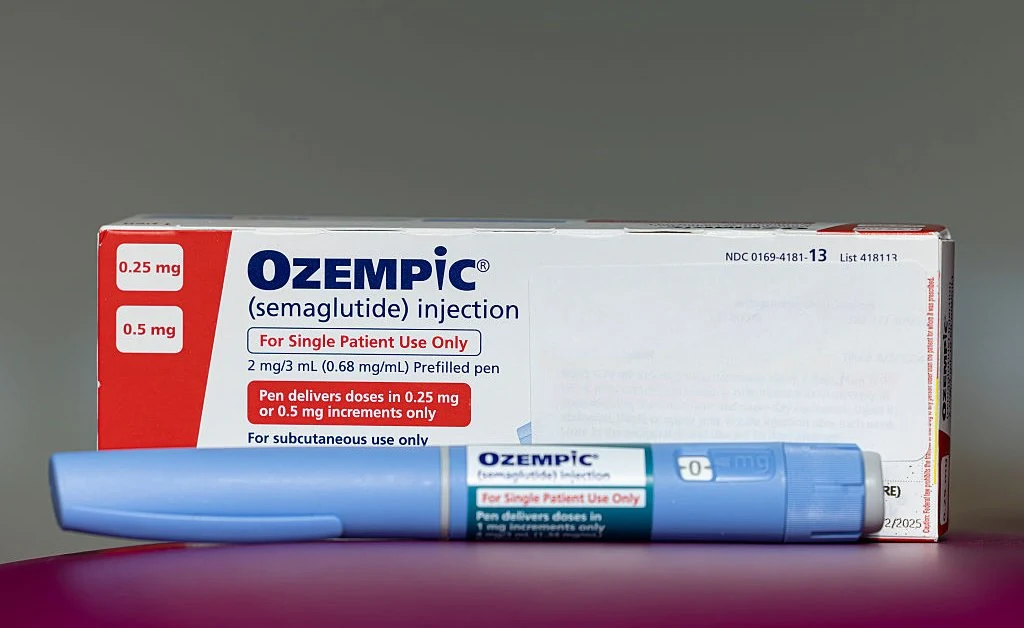
Dr. Ziyad Al-Aly, a researcher at the Washington University School of Medicine, had a nagging question. Could the same medications that helped people lose weight also help them overcome addiction? His team had been studying the GLP-1 weight loss and diabetes drugs, like Ozempic and Wegovy, which had shown remarkable benefits in lowering the risk of heart disease, sleep apnea, and kidney and liver conditions. But what about addiction?
"We've always known that GLP-1 drugs could have benefits in treating addictions," Al-Aly said. "But what we didn't know was whether they would work across different substances." His team set out to answer this question, analyzing health records from over 600,000 people in the Department of Veterans Affairs system.
Their study, published in the BMJ, found that people taking GLP-1 medications had a reduced risk of developing addictions to various substances, including alcohol, cannabis, cocaine, nicotine, and opioids. The reduction was greatest for opioid dependence, which could be a crucial new strategy for addressing the growing epidemic of opioid addiction. The researchers also found that GLP-1 medications were helpful in lowering the risk of emergency department visits, hospitalizations due to addiction, overdose, and deaths from drug-related causes.
"We were amazed by the breadth of the results," Al-Aly said. "The biggest revelation for me is that these GLP-1 drugs are working across different substances." His team's findings could provide a foundation for establishing GLP-1 medications as a new class of drugs that could both prevent and treat different types of addictions.
However, more studies need to be conducted to better understand how the medications should be used in these cases. The current study does not delve into the issue of dose or duration of the medications, and it's unclear whether the brain would develop a tolerance to the drugs. "I worry about what will happen when people stop taking the medications," Al-Aly said. "That the craving then comes back with a vengeance."
Despite these uncertainties, the data are the first step in understanding a potentially powerful new way these medications could be used to address another significant health issue that hasn't enjoyed truly effective prevention and treatment strategies. If the current data are replicated and better understood, it could open the door to preventing addictions before they become harmful and cause irreparable harm, both physically and behaviorally.
**A New Avenue for Addiction Treatment**
For people who qualify for GLP-1 medications because they have diabetes or are overweight or obese, and also want to quit smoking, stop drinking, or control their opioid dependence, these data give them an additional rationale. "It will literally help them reach their two goals," Al-Aly said.
But for prescribing GLP-1 medications for the sole purpose of controlling addiction, Al-Aly says that more research is needed. "We need to resolve more uncertainties about what happens when people discontinue the medications, as well as neuroadaptation, before we start making recommendations."
The study's findings highlight the complex and multifaceted nature of addiction, and the need for more research and understanding of the underlying mechanisms. As Al-Aly points out, "Who benefits from them the most is the next big question." With additional follow-up studies, researchers could better identify subsets of people who might benefit more from GLP-1 medications.
**A Promising yet Uncertain Future**
While the study's results are promising, they also underscore the importance of caution and further research. The use of GLP-1 medications to prevent or treat addiction is still in its infancy, and more studies are needed to understand its potential benefits and limitations.
As researchers like Al-Aly continue to explore the role of GLP-1 medications in addiction treatment, they will need to navigate the complex landscape of addiction, brain function, and medication effects. Their work holds out the promise of a new avenue for addressing a devastating public health issue, but it also highlights the need for continued vigilance and caution in the face of uncertainty.
**The Broader Implications**
The study's findings have broader implications for our understanding of addiction and the role of medication in treatment. If GLP-1 medications can be proven to effectively prevent or treat addiction, it could revolutionize the way we approach addiction treatment.
But it also raises questions about the potential long-term effects of these medications, and the need for more research into their safety and efficacy. As Al-Aly notes, "I worry about what will happen when people stop taking the medications, that the craving then comes back with a vengeance."
Ultimately, the study's results are a call to action, urging researchers to continue exploring the potential of GLP-1 medications in addiction treatment. By working together, we can uncover the secrets of addiction and develop new, more effective treatments that can help people overcome their cravings and achieve a healthier, happier life.
