

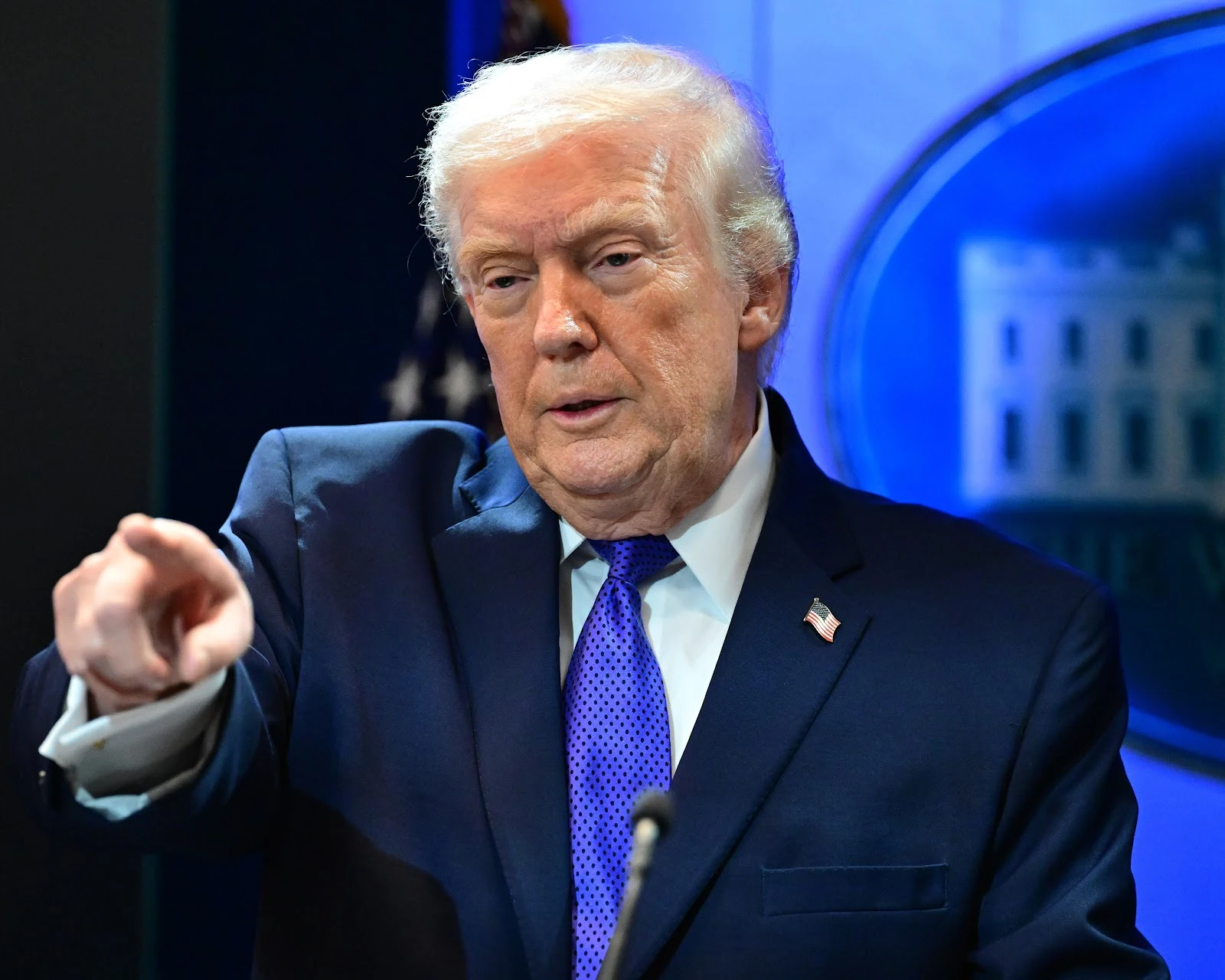
As the global economy navigates the complexities of international trade, the recent announcement by President Donald Trump to raise tariffs on imports from all countries to 15% has sent shockwaves around the world. This move, announced less than 24 hours after the US Supreme Court ruled against the legality of his flagship trade policy, has sparked concerns about the potential consequences for global trade and economic growth.
The Supreme Court's ruling on Friday, which stated that Trump had exceeded his authority and should have obtained congressional approval for the tariffs introduced last year under the International Emergency Economic Powers Act (IEEPA), was met with outrage from the President. In response, Trump announced an immediate 10% tariff on all imports, in addition to any existing levies, under a separate law. According to The Guardian, this move has been seen as a direct challenge to the Supreme Court's authority.
In a post on Truth Social, Trump wrote: "I, as President of the United States of America, will be, effective immediately, raising the 10% Worldwide Tariff on Countries, many of which have been 'ripping' the U.S. off for decades, without retribution (until I came along!), to the fully allowed, and legally tested, 15% level." This move is based on section 122 of the Trade Act of 1974, which allows the president to impose a levy of up to 15% for 150 days, although it may face legal challenges.
Global Reactions
German Chancellor Friedrich Merz has announced that he will travel to Washington with a coordinated European position to address the issue, warning of the "poison" of more uncertainty. He expressed his expectation that the burden on German companies would ease after the Supreme Court's ruling but emphasized the need for clarity on tariffs. "The biggest poison for the economies of Europe and the US is this constant uncertainty about tariffs. And this uncertainty must end," Merz said.
French President Emmanuel Macron also weighed in on the issue, stating that the rule of law and power counterweights are essential in democracies. He noted that France would consider the consequences of Trump's new global tariff and emphasized the importance of reciprocity in trade agreements. "It is not bad to have a supreme court and, therefore, the rule of law. It is good to have power and counterweights to power in democracies," Macron said.
The new 15% tax rate has raised fresh questions for countries like the UK, which had previously agreed to a 10% tariff with the US. William Bain, head of trade policy at the British Chamber of Commerce, expressed concerns about the impact of the latest hike, stating that it would be "bad for trade, bad for US consumers and businesses, and weaken global economic growth." Bain emphasized the need for clarity and certainty in trade policies, noting that "businesses on both sides of the Atlantic need a period of clarity and certainty. Higher tariffs are not the way to achieve that."
Tariff Exemptions and Industry-Specific Tariffs
Some products will be exempted from the temporary tariffs, including critical minerals, metals, and pharmaceuticals. Other exemptions include USMCA-compliant goods from Canada and Mexico. Meanwhile, the Supreme Court's ruling does not affect separate, industry-specific tariffs that Trump slapped on steel, aluminum, lumber, and autos under a different US law, which remain in place.
Trump has pursued his aggressive tariff policies in an effort to revitalize US manufacturing. According to the most recent government data, the US has already collected at least $130 billion in tariffs using the IEEPA. However, studies show that the vast majority of this sum – 90% – has been paid by US businesses and consumers. Top associations of US businesses have begun clamoring for refunds from the federal government, but Trump has indicated that reimbursements would not come without a lengthy legal battle.
Academic Perspectives and Labour Market Data
Experts have warned that the ongoing uncertainty surrounding tariffs could have significant consequences for the global economy. The Liberty Street Economics blog, affiliated with the New York Fed, has published a study showing that the majority of the tariffs imposed by the US have been paid by American consumers and businesses. This has raised concerns about the effectiveness of Trump's trade policies and their potential impact on the US economy.
The issue of tariffs has also sparked a heated debate about the role of the Supreme Court in shaping trade policy. Trump has been critical of the court's ruling, calling it "ridiculous, poorly written, and extraordinarily anti-American." He has also praised the three justices who dissented in the opinion, including Brett Kavanaugh, Clarence Thomas, and Samuel Alito. However, his comments have been met with criticism from other justices, including Amy Coney Barrett and Neil Gorsuch, who have been accused of being "unpatriotic and disloyal to our constitution."
Personal Accounts and Business Impact
The ongoing tariff saga has had a significant impact on businesses and individuals around the world. Companies that rely on international trade are facing increased uncertainty and costs, which could have long-term consequences for their operations and profitability. As the situation continues to unfold, it remains to be seen how the global economy will respond to the latest developments in US trade policy.
In conclusion, the recent announcement by President Trump to raise tariffs on imports from all countries to 15% has marked a new chapter in global trade uncertainty. As the world navigates the complexities of international trade, it is essential to consider the potential consequences of such policies and the need for clarity and certainty in trade agreements. The reactions from global leaders, academic perspectives, and labour market data all point to the need for a more nuanced approach to trade policy, one that balances the interests of all parties involved and promotes economic growth and cooperation.
