

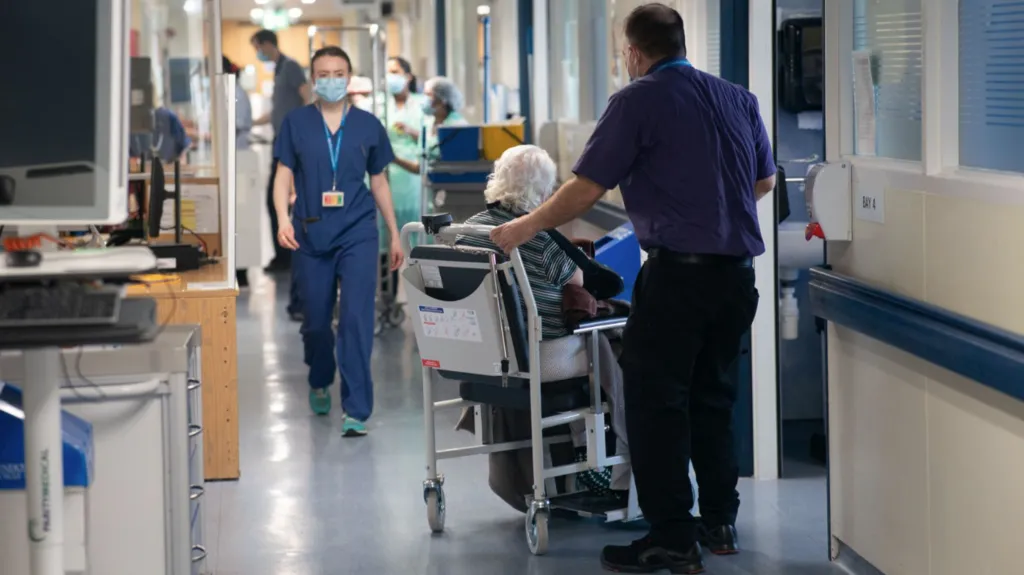
A BBC investigation has found that more than 52,000 patients waited longer than 24 hours to be admitted to hospitals across north-west England last year.
According to the investigation, patients are being forced to wait in corridors, known as "corridor care", due to a lack of beds in wards. The Royal College of Nursing has described the situation as a "national emergency" and called on the government to end the practice.
NHS England said the NHS is currently experiencing its busiest winter on record, with hospitals around the country facing rising demand. Dr Michael Gregory, regional medical director for NHS England in the North West, stated: "Providing care in corridors is not what we want for our patients, and we are working hard to reduce the use of corridor care and tackle long waits."
Police and Authority Response
The government publishes the number of people waiting more than 12 hours for a bed in a ward each month. However, the BBC investigation found that many of these waits are actually one, two, or even three days.
The investigation revealed that 52,015 patients had to wait longer than 24 hours after the "decision to admit" to get a bed in a ward. Some 6,893 of them waited longer than 48 hours.
Investigation Findings
The data showed big variations between hospitals, with Whiston, Royal Blackburn, Royal Preston, and Arrowe Park particularly struggling with long waits. In contrast, the three Manchester hospitals, along with Fairfield General in Bury and Furness General in Barrow, saw comparatively few.
The reasons for the current situation are complex and most are out of the control of the hospitals themselves. A major factor is the crisis in social care provision, which sees older, more frail patients trapped in hospital beds for days or even weeks because a suitable care package cannot be found.
Response From Authorities
Health Secretary Wes Streeting said the government would end corridor care by the end of the current parliament in 2029. Simon Browes, the Royal College of Nursing's North West regional director, said the situation demanded immediate action.
Dr Michael Gregory stated: "Accident and Emergency departments in the North West, and nationally, have been experiencing rising demand for a number of years and the NHS is currently experiencing its busiest winter on record."
