

The ongoing conflict in the Middle East has significantly heightened the risks to the global economy, with the war's impact on oil supplies being a major concern. As reported by The Guardian, the crisis has led to a significant disruption in global oil markets, with prices fluctuating wildly in recent days.
According to Ipek Ozkardeskaya, senior analyst at Swissquote, the region is reorganizing and preparing for the possibility of a prolonged conflict. Ozkardeskaya notes that restoring oil exports fully will take time and may soon lead to physical-market shortages, likely keeping oil prices under upward pressure.
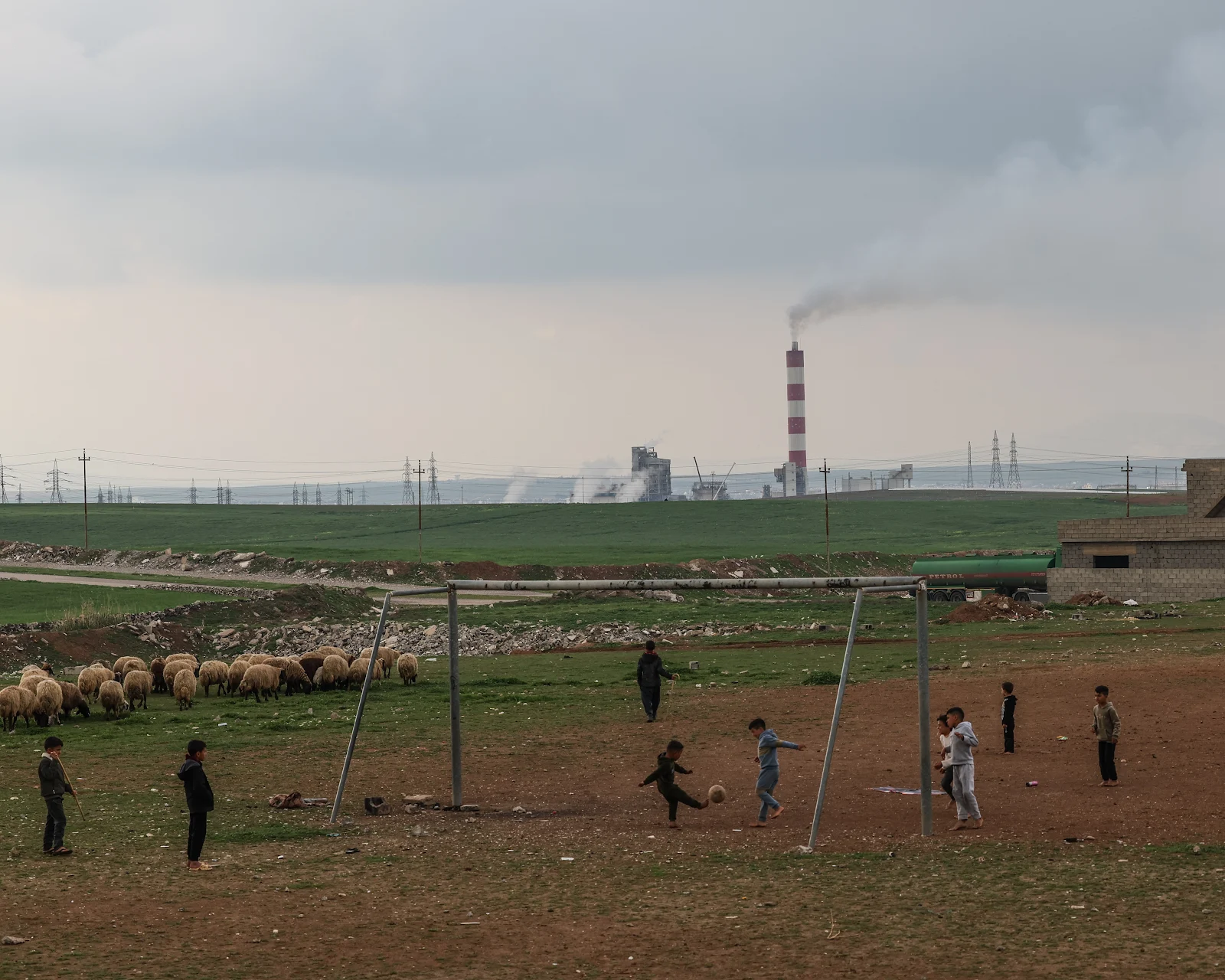
In an effort to mitigate the effects of the crisis, Iraq has struck a deal with Turkey to resume oil exports through their territory, having agreed with Kurdistan to pump oil through a pipeline in its region. However, this alternative route will only partially relieve supply concerns, as Iraq's oil production has fallen to about 1.4 million barrels a day — about a third of levels before the closure of Hormuz.
Oil Price Volatility
Brent crude prices have been highly volatile, dropping 1.55% this morning at $101.80 a barrel, while US crude is almost 3% lower at $93.42 a barrel. However, following a report that Iranian energy assets on the Persian Gulf coast have been hit by US and Israeli airstrikes, Brent crude is now up 4% at around $108.10 a barrel.
Jim Reid of Deutsche Bank notes that there is a bit more calm in markets at the moment, with a small hint that there is a decoupling from the price of oil as the last 24 hours have seen more positive risk markets and lower bond yields.
Central Bankers' Response
Investors are hoping that central bankers will 'look through' the approaching spike in inflation, rather than reacting by raising interest rates. The Federal Reserve is widely expected to leave US interest rates on hold tonight, and the Bank of Canada has left interest rates on hold today, warning that the conflict has increased volatility in global energy prices and financial markets.
The Bank of Canada's monetary policy committee says that global oil and natural gas prices have risen sharply, which will boost global inflation in the near-term. Financial conditions have tightened from accommodative levels, and the Canada-US dollar exchange rate has remained relatively stable.
Economic Impact
The conflict has also hurt America's housing market, with US mortgage rates jumping to the highest level since the end of last year. Total mortgage applications fell by 10.9%, week-on-week, with applications to refinance a home loan down 19%.
MBA economist Joel Kan says that mortgage rates continued to move higher, driven by increasing Treasury yields as the conflict in the Middle East kept oil prices elevated, along with the risk of a broader inflationary shock.
Market Anxiety
Metals prices are dipping today, another sign that market anxiety over the impact of the Iranian war is easing. Aluminium prices have dropped to a one-week low, with the benchmark three-month aluminium contract on the London Metal Exchange down 1.2% to $3,359.50 a metric ton this morning.
Grant Slade, economist at Morningstar, says that the Bank of England will likely hold interest rates steady at 3.75% at tomorrow's MPC meeting, as headline inflation is set to rise meaningfully in mid-2026 due to surging energy prices amid the Middle East conflict.
Global Response
Across south-east Asia, governments are scrambling to find ways to conserve energy and shield the public from soaring costs as the war in the Middle East causes the largest supply disruption in the history of the global oil market. In Thailand, news anchors ditched their jackets on air as the government called on the public to reduce their use of air conditioning to save energy.
In the Philippines, many government workers are now operating on a four-day week, and in Vietnam, officials have urged employers to allow staff to work from home. These measures are aimed at reducing energy consumption and mitigating the effects of the crisis on the global economy.
