

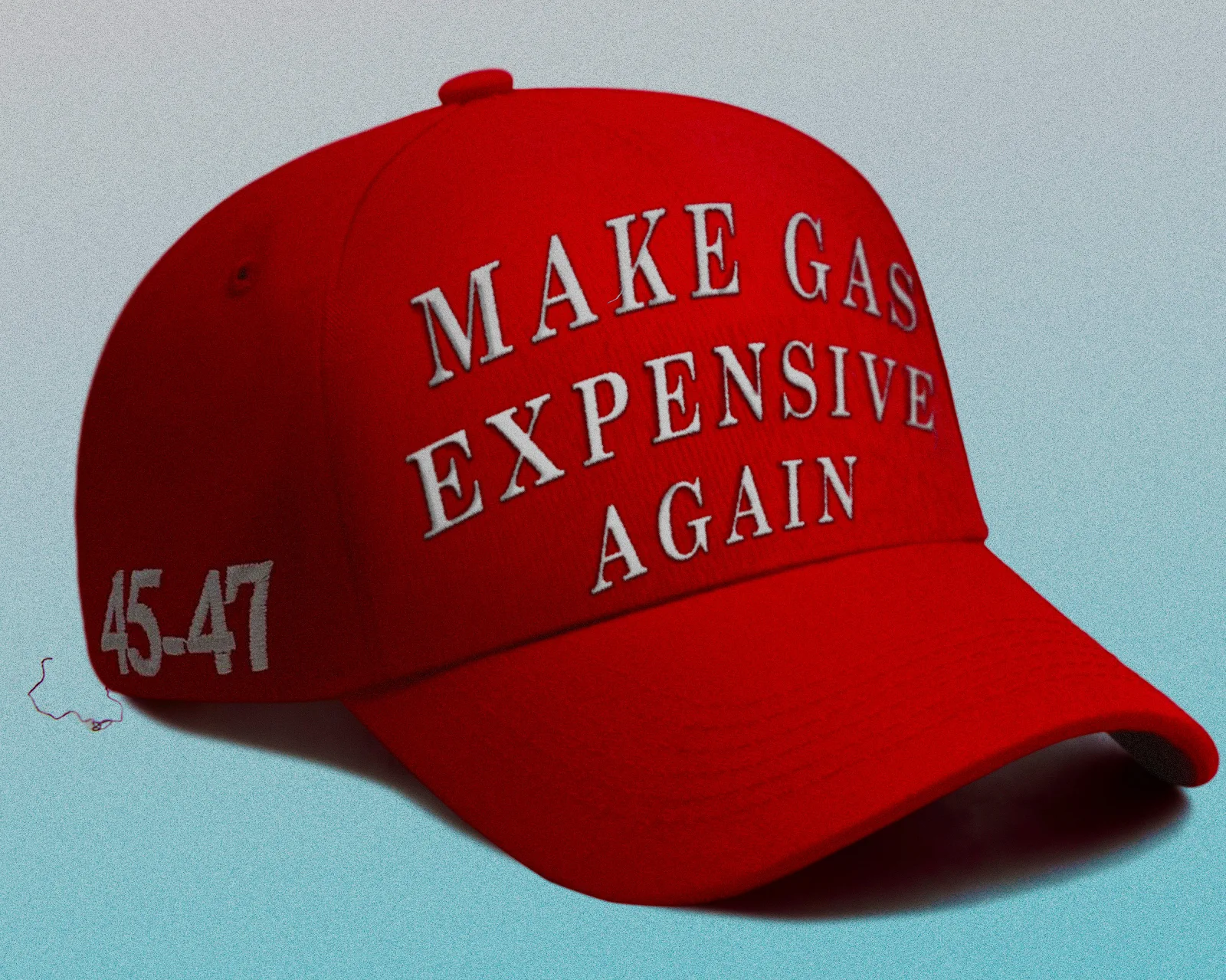
The recent escalation of the Iran war has sent shockwaves through the global economy, with experts warning of a potentially catastrophic impact on oil prices, inflation, and growth. According to The Guardian, the conflict has already led to a significant surge in oil prices, with some analysts predicting that they could reach as high as $200 a barrel if the war continues.
Initial predictions that the economic fallout from the war would be short-lived have proven to be overly optimistic. Three weeks after the US and Israel first bombed Iran, the prospect of a drawn-out war is causing mounting economic problems. Oil prices have soared above $100 a barrel, European gas prices have doubled, and volatility stalks financial markets, leaving consumers worldwide bracing for a surge in living costs.
Central banks, including the US Federal Reserve, Bank of England, and European Central Bank, warn that the war could have a material impact on inflation and dent global growth. As Albert Edwards, a senior analyst at Société Générale, notes, the risks are asymmetric, and the potential for stagflation is a major concern.
Energy Market Disruptions
The conflict has already led to significant disruptions in the energy market, with Iran threatening to send oil to $200 a barrel through its fightback, targeting shipping through the narrow seaborne passage between its southern shore and Oman. European heavy industry, still reeling from the 2022 energy price shock after the Russian invasion of Ukraine, is feeling the pinch, with companies such as Huntsman and BASF putting up prices.
The cost of fertiliser, an important byproduct of the petroleum industry, is rising sharply, hurting farmers worldwide and laying the groundwork for a sharp rise in food prices. Iran has threatened to target refineries and pipelines across the Middle East, leading analysts to warn that energy markets are now on the road to a “doomsday” scenario.
Global Economic Implications
The implications of a prolonged war in Iran are far-reaching, with forecasters warning that it could resemble past global economic crises. As Ian Stewart, the chief economist in the UK at Deloitte, notes, surging oil and gas prices are harbingers of economic trouble, and the stakes of this conflict are enormous for the global economy.
The clearest parallels are with the 1980s, when Ronald Reagan sent US warships to Hormuz to protect merchant shipping during the Iran-Iraq war. In an episode that became known as the “tanker war,” Washington dispatched the largest naval convoy since the second world war to keep oil and gas exports flowing.
Supply Chain Disruptions
The conflict has already led to significant disruptions in supply chains, with the Gulf being a critical region for farming worldwide. About half of all global exports of urea, a commonly used fertiliser, and sulphur, a critical fertiliser ingredient, are sourced from the Middle East.
Before the critical spring planting season in the northern hemisphere, analysts warn that rising fertiliser costs will hit crop yields and drive up food prices, hurting low-income countries and poor households globally. Plastics, chemicals, and pharmaceuticals are also being hit, with supplies of helium, critical to microchip production and MRI machines, being disrupted.
Long-Term Consequences
The long-term consequences of a prolonged war in Iran are still uncertain, but experts warn that they could be severe. The world economy is more interconnected than in the 1970s, with global trade in goods and services having swelled from 42% of world GDP in 1980 to more than 60% by the mid-2000s.
However, an interdependent world, in an age of rising conflict and geopolitical tensions, is a riskier one, and no basis for a sustainable economic model. In response, companies are exploring “nearshoring” and “friendshoring” to bolster their resilience, directing supply chains towards politically aligned and neighbouring countries.
Economists warn that the fragmentation of the global economy could add permanent additional costs, with potential to stoke inflation in the short term, while weighing on growth in the long term. As Wei Yao, an economist at Société Générale, notes, the conflict has put the world’s central banks “at the mercy of war.”
