

The US economy may be experiencing growth, but for many Americans, the cost of living is becoming increasingly unaffordable. As reported by The Guardian, workers are finding it difficult to make ends meet, despite President Donald Trump's claims that 'the economy is roaring back'. A recent poll showed that cross-party concerns about the Trump administration's handling of the US economy are on the rise.
Dawn Levie, a 61-year-old postal service worker in Paulden, Arizona, is one such example. She has lost thousands of dollars in earnings over the past year due to cuts to her hours, making it harder for her to afford basic necessities like groceries and utility bills. 'It's hard to describe how you feel when you can't sustain your livelihood because your money is impacted,' Levie said. 'You can't pay bills, [and] creditors get mad. How do you tell them: 'I just don't have it?' '
The White House insists that the affordability problem Americans like Levie report doesn't exist. At a rally in Kentucky, Trump told the crowd: 'Inflation is plummeting, income is rising, the economy is roaring back!' However, the positive sentiment will be a tough sell for voters in the upcoming midterm elections. After helping Congress pass huge cuts to healthcare and food assistance programs, Trump is now pushing to remove minimum wage and overtime protections for some workers.
The Human Cost of Affordability
Bryan Williams, a 63-year-old home-care worker in Madison, Wisconsin, is living paycheck to paycheck on $17.65 an hour. 'I know things are worse, because I'm living it and I feel it every day,' Williams said. 'It's very hard trying to pay rent, pay your bills, buy food, gas and juggle which ones you can pay [and] which ones you can let go.' Vernice Thompson, a 63-year-old retail worker in Williamsburg, Virginia, said that even though she receives social security benefits, housing still takes up half her income.
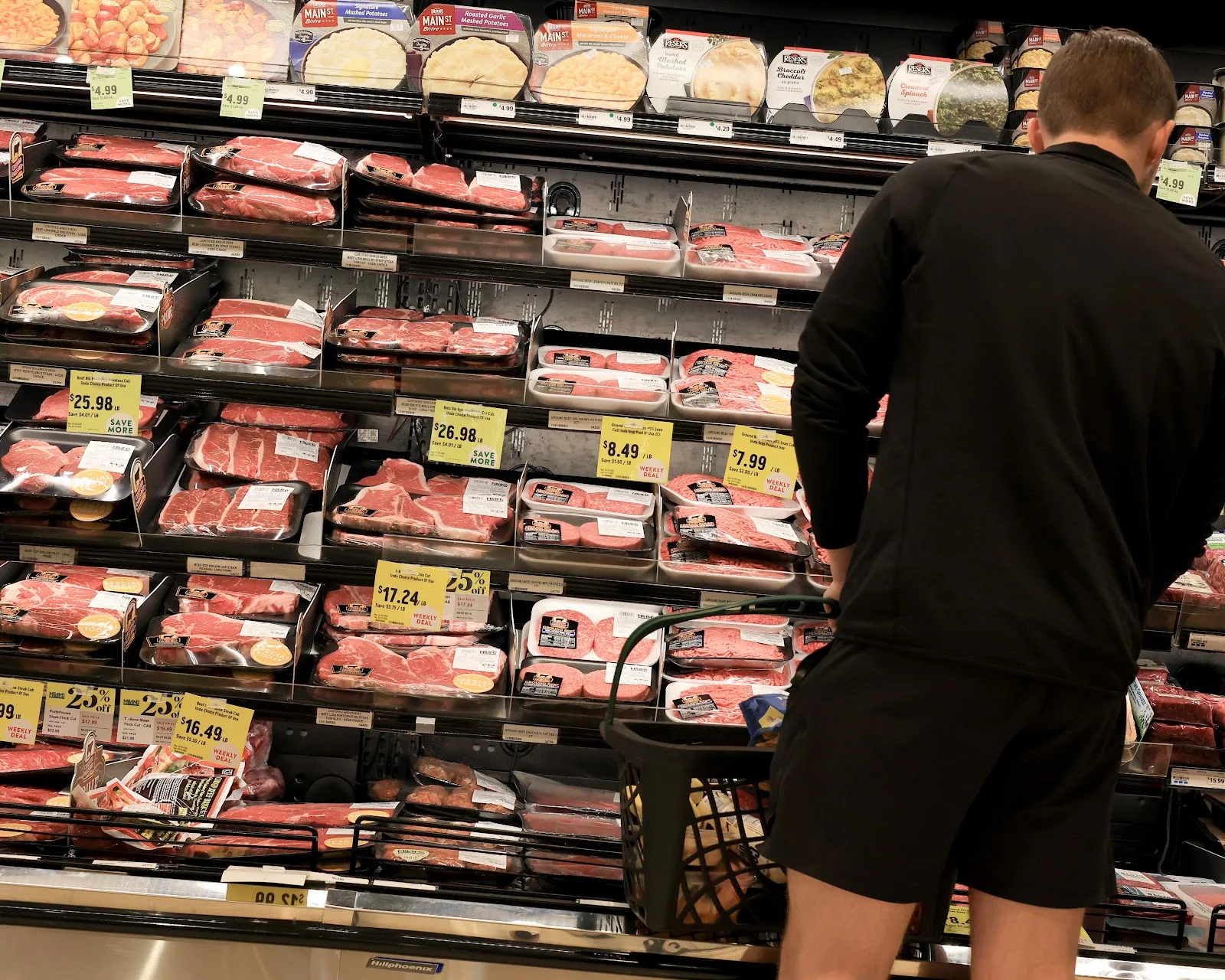
'Groceries have gone up. [The prices of] a lot of the foods that I like have gone up,' Thompson said. 'I know the price of clothing too because I work in retail, and I haven't seen any declines in the price of clothing.' 'Everything is going up,' she added. Food prices were 2.9% higher in January compared to the year before and are predicted to increase by 3.1% over the next year.
Utility prices in the US also increased by more than 6% in January 2026 compared to a year prior. More Americans are taking on debt because of the rising cost of necessities. Total household debt in the fourth quarter of 2025 reached $18.8tn, up by 4% since the beginning of the year. Delinquency for all types of debt rose 3.26% in the fourth quarter of 2025 compared to 1.7% in the same period of 2024.
Stagnant Wages and Rising Debt
Meanwhile, wages have stagnated for many workers. The 10% lowest wage earners, receiving on average $14.56 an hour, saw their wages decline by 0.3% when adjusted for inflation in 2025. The federal minimum wage of $7.25 an hour has remained unchanged since 2009 – the longest period without an increase since the federal minimum wage was enacted. In comparison, higher-income Americans have been earning more than ever. Since 1979, high-end wages have grown twice as fast as low and middle wages.
Credit card debt in the US by the end of 2025 hit a record $1.28tn. 'If people aren't being paid a cost-of-living increase, or just the bare minimum of a cost of living increase, it's hard to keep up,' said Crystal Franklin, a 54-year-old US passport specialist and mother of three who lives in Dumfries, Virginia. Franklin said she started taking the bus to work because of rising gas prices and is being more frugal at the grocery store.
Cuts to Social Safety Nets
US families have paid more than $1,700 in estimated costs due to the Trump administration's tariffs from February 2025 to January 2026. At the same time, Republicans have been cutting down the country's social safety net. Trump's One Big Beautiful Bill Act that was passed last summer included massive cuts for the next decade, including over $1tn from Medicaid, $536bn from Medicare, and $186bn from the Supplemental Nutrition Assistance Program (Snap).
In addition to these cuts, the White House is allowing Affordable Care Act subsidies to expire, which will raise health insurance premiums for 22 million Americans by an estimated 114% from $888 a year to $1,904 in 2026. Trump has also sought to cut pay for millions of low-wage workers. Last year, the president rescinded an executive order that raised the minimum wage for federal contractors to $15 an hour and gave annual raises to keep in pace with inflation, impacting more than 300,000 workers.
A Disputed Economic Trajectory
A spokesperson for the White House, Kush Desai, disputed the economic trajectory under the Trump administration. 'America's economic trajectory under President Trump has been solid,' Desai said. 'This week's CPI report showed inflation continues to cool while the Administration's tax cut, tariff, and deregulatory agenda continues to drive robust real wage and investment growth. Once we are past short-term disruptions from Operation Epic Fury, America is poised to see even greater economic progress as the Administration's trade deals, drug pricing deals, deregulatory efforts, and tax cuts continue taking effect.'
However, for workers like Williams, the reality is different. 'Things have been pretty tough in the last year,' Williams said. 'I don't believe anything Trump says because everything he promised us he was going to do did not happen.' As the US economy continues to grow, the struggle to make ends meet remains a harsh reality for many Americans.
